The average adult waits 9 years to treat hearing loss, but these OTC devices offer a fix today
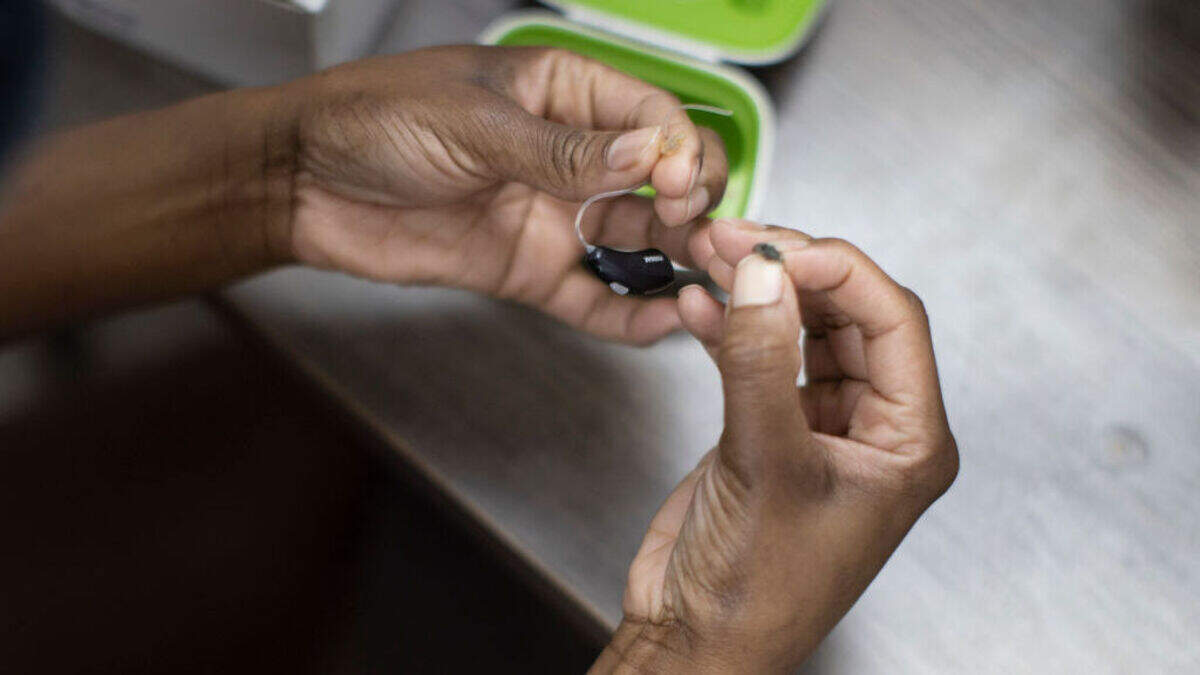
Most people who could benefit from a hearing aid have never used one. The average person waits nine years after a diagnosis before doing anything about it, even as research ties untreated hearing loss to depression, isolation, falls and higher dementia risk. The FDA’s 2022 ruling opened up a new category of over-the-counter devices, and by 2026 the market has matured into a genuine, tested alternative for millions of adults who once faced a $3,000 price tag or nothing.
Here’s what to know before spending any money.
What OTC Hearing Aids Are and Who They’re For
The FDA created the OTC hearing aid category in October 2022 for adults 18 and older with self-perceived mild to moderate hearing loss. They don’t require a prescription, audiologist visit or professional fitting. You buy them online or in stores, set them up yourself and adjust them through a companion app.
They’re not for everyone. OTC aids are designed for a specific population:
- Adults 18 and older only
- Self-perceived mild to moderate hearing loss
- Not appropriate for children or adults with severe or profound hearing loss
- Not a substitute for medical treatment if ear symptoms are present
If you have ear pain, fluid or blood from the ear, sudden or rapidly worsening hearing loss, or vertigo alongside hearing changes, see a doctor before buying anything. Those symptoms can point to treatable causes no hearing aid will fix.
Also worth knowing: Personal Sound Amplification Products, or PSAPs, are not hearing aids. They’re consumer electronics for people without hearing loss, used for activities like birdwatching. The FDA does not regulate PSAPs as medical devices and they’re not a substitute for a regulated OTC device.
Signs You Might Need a Hearing Aid
Per Consumer Reports and NIDCD, the most common early signs include:
- Frequently asking people to repeat themselves
- Difficulty following conversations in noisy restaurants or group settings
- Trouble hearing during phone calls
- Turning the TV up louder than others in the room want it
- Fatigue from straining to hear throughout the day
Early hearing loss is often subtle enough that people don’t notice it themselves. Quite often, as Consumer Reports notes, you don’t know what you’re missing.
What to Look for When Buying OTC Hearing Aids
Self-fitting vs. preset. Self-fitting OTC aids go through FDA clearance for safety, usability and effectiveness before they’re sold. Preset models don’t face that same requirement, which means quality varies more, especially at lower price points. Audiologists generally recommend self-fitting over preset for that reason.
Speech-in-noise performance. This is the most important real-world differentiator and the hardest to assess from marketing language. Look for independent lab scores from HearingTracker or HearAdvisor rather than brand claims.
Battery and connectivity. Rechargeable models lasting 20 to 30 hours per charge are now standard. Bluetooth streaming to both iPhone and Android has become a baseline feature rather than a premium one.
Trial period. Most reputable brands offer 30 to 45 days risk-free. Consumer Reports advises contacting customer support early in the trial to test how responsive the company is before you’re committed.
Top OTC Hearing Aid Picks and Price Tiers for 2026
Budget ($100 to $400 per pair) The MDHearing NEO XS starts at $297 and offers strong feedback cancellation, noise reduction and a 45-day trial, per SeniorLiving.org.
Mid-range ($400 to $800 per pair) The Elehear Beyond Pro at $599 is HearingTracker’s highest-rated OTC hearing aid overall, ranking in the top six of all devices tested including prescription models. The Yeasound RIC800 at $699 scored in the top 5% of OTC devices measured by the independent HearAdvisor Lab.
Premium ($800 to $1,500 per pair) The Jabra Enhance Select 700 starts at $1,195 and earned the top pick from SeniorLiving.org for sound quality and follow-up care. The Jabra Enhance Select 500 runs 24 hours on a single charge and was Reviewed.com’s top choice. The Sony CRE-E10 scored 73 out of 100 for sound clarity in Forbes Health lab testing.
What Medicare Will and Won’t Cover
Original Medicare Part A and Part B exclude hearing aids entirely in 2026, per US News Health. Some Medicare Advantage plans include a limited hearing benefit. The Medicare Hearing Aid Coverage Act of 2025, filed as H.R. 500, was introduced to fold hearing aids into Part B starting January 1, 2026, but had not been enacted as of mid-2026.
Even if you plan to buy over the counter, NCOA still recommends seeing a hearing professional first. Acute hearing loss can result from treatable causes like earwax buildup or infection that a hearing aid won’t address.
This article was created by content specialists using various tools, including AI.