
Why Dinner Parties Are Just Starting to Make a Comeback in 2026 — and What’s Driving the Trend
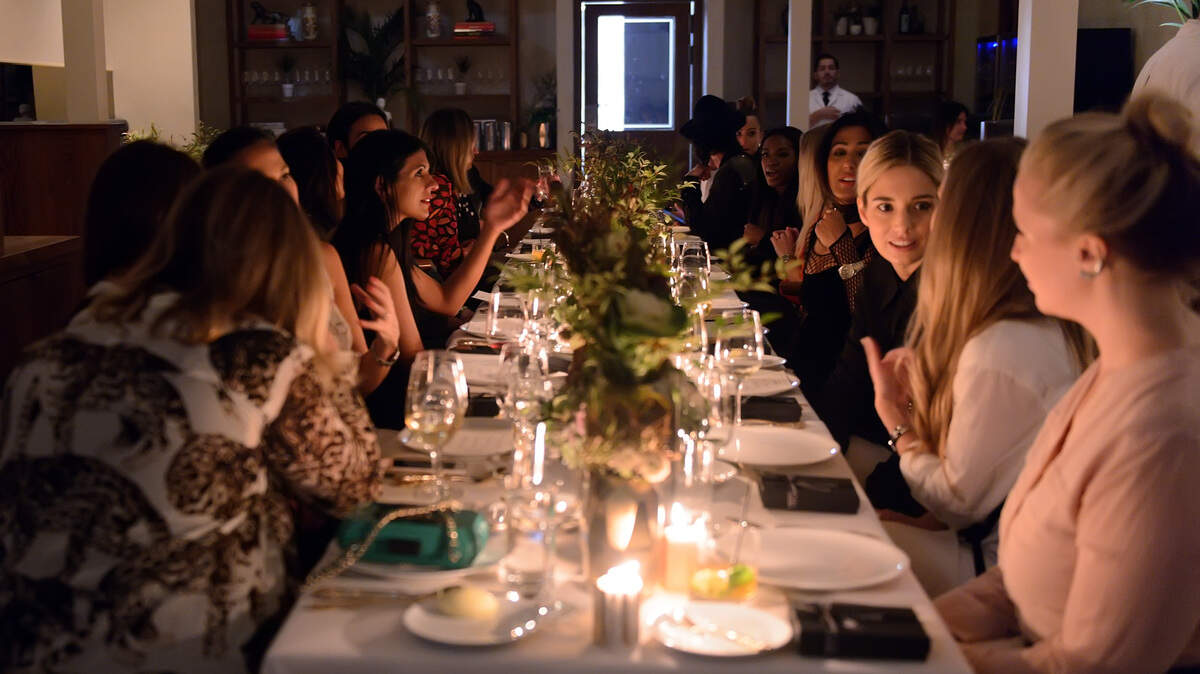
Loneliness is the public health story nobody wants to talk about, and Americans are quietly fixing it with a fork. The dinner party is back, and it is doing more than feeding people. It is rebuilding the kind of recurring social ritual that researchers say has been missing from American life for decades.
Why the dinner party faded and how it came roaring back
Dinner parties gradually declined through the 2000s and 2010s as restaurant culture expanded and people outsourced hosting to chefs and bartenders. Then Covid eliminated the restaurant option entirely, and something unexpected happened. People remembered how to have each other over.
Sociologist Robert Putnam mapped the bigger picture decades ago in his foundational book “Bowling Alone, The Collapse and Revival of American Community.” He identified the systematic decline of recurring social rituals, standing gatherings, neighborhood dinners and community tables as the single most significant driver of community erosion in American life. The desire for connection never disappeared. The structure that gave connection somewhere to land did.
What loneliness has to do with your kitchen table
The data is grim. The American Psychiatric Association reports that 1 in 3 American adults feel lonely every week. AARP’s 2025 research found that 4 in 10 adults over 45 are lonely, a record high.
AARP researchers wrote that “major life changes” such as retirement, children moving away or the loss of loved ones “are common triggers for loneliness,” and noted that “the difference between lonely and nonlonely adults often lies in how relationships are managed during these transitions.”
In 2023, former Surgeon General Dr. Vivek Murthy declared a loneliness epidemic in the United States, linking the condition to higher risks of cardiovascular disease, dementia and depression. His prescription was strengthened social infrastructure, religious and sports groups, volunteer programs and green spaces, anywhere people could see each other regularly without paying for the privilege.
What a 2026 dinner party actually looks like
Formality is off the guest list. Today’s hosts want guests relaxed from the moment they walk in, whether that means a buffet, a grazing table or everyone crowded around the kitchen island. The dining room is having a moment too, redesigned as a fully realized space that handles a Saturday gathering and a Tuesday family meal with equal ease.
The supper club tradition is part of the appeal. “Supper clubs go back to the 1930s, born out of the prohibition era as a way to celebrate being able to socially enjoy alcohol along with a cultural experience again,” Trinette Faint, founder of the social networking company Chez Faint, told MarthaStewart.com.
Small rituals are quietly making a comeback. Candles, cloth napkins, the good china on a random Wednesday, a quick toast before the first bite. None of it has to be expensive. All of it signals to guests that the evening is intentional.
How to host a dinner party without losing your mind
Cadence matters more than perfection. Faint recommends a bi-monthly or seasonal rhythm so the gathering becomes something friends anticipate. “Reach out to ten people to get a sense of their schedules for the next six months, and find an agreeable window that would work for everyone,” she told MarthaStewart.com.
Skip the do-it-all-yourself impulse. Make-ahead dishes, oven-ready mains and one-pot recipes free hosts to actually talk to their guests. A simmering bolognese beats a brand-new recipe attempted for the first time in front of company. Pre-batched cocktails, a help-yourself bar or a few good bottles of wine handle drinks without bartender duty.
A loose theme can give the menu shape, whether that means a cuisine, a season, a color or a favorite film. Consider dietary restrictions, lean into appetizers and do not skip dessert and coffee. The table setting does not need to be elaborate. It just needs to feel like someone cared.
That, it turns out, is the whole point.
This article was created by content specialists using various tools, including AI.
.jpeg)