
Where Birding Is Headed as One of America’s Fastest-Growing Outdoor Hobbies Among Young Adults
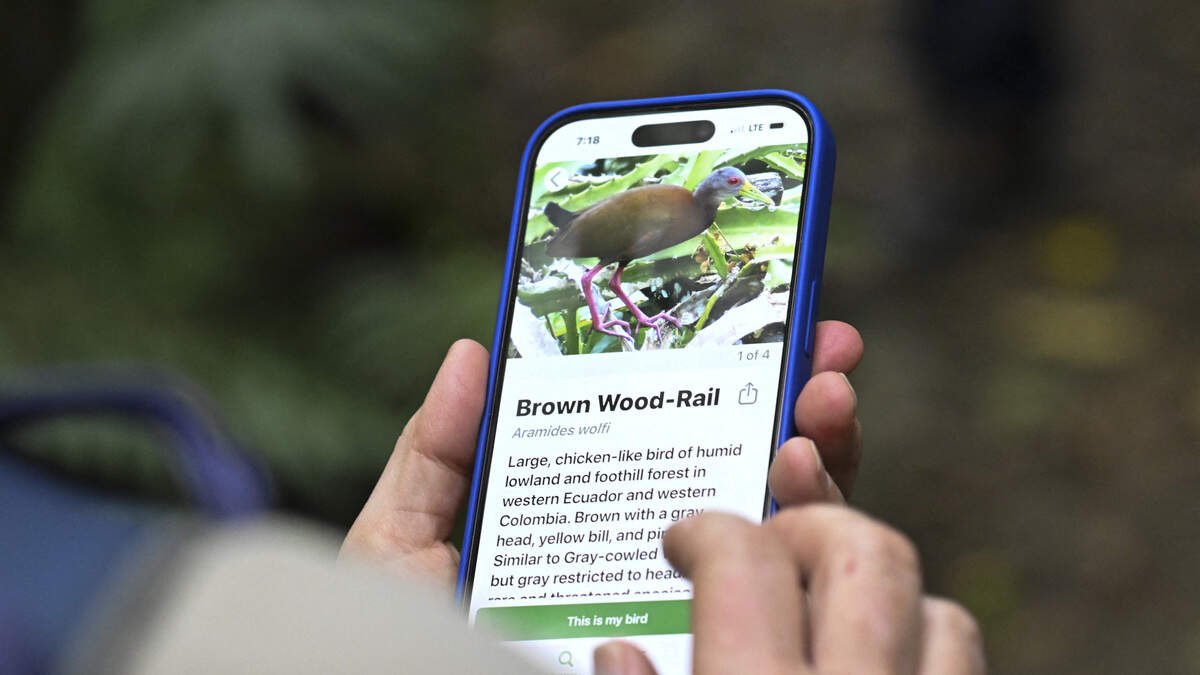
Birding has gone fully mainstream in 2026, and millions of new converts are asking the same beginner questions. Here’s what to know about the boom, the apps fueling it and how to start.
Why is birding suddenly so popular?
Birding has exploded from a niche hobby into a mainstream pastime, driven by the pandemic outdoor-recreation boom and amplified by apps and social media. People searching for a safe, free outdoor activity during 2020 discovered they could do it from a window, a backyard or a local park.
Calls to Mass Audubon surged in 2020 as newly remote workers wanted to identify what was flying past their windows. “There’s lots of drama. This connection we have with nature is a lot like being in love. I don’t know how else to describe it other than attachment,” Joan Walsh, chair of field ornithology and natural history at Mass Audubon, told TIME. Instagram, TikTok and online communities have helped expand the hobby, especially with Millennials and Gen Z.
How many Americans are birders right now?
About 96 million Americans ages 16 and older identify as birders, roughly 37% of the US population, according to the US Fish and Wildlife Service’s 2022 demographic and economic survey on birding, the most comprehensive study to date.
The breakdown counts 91 million backyard birders, or 35% of the US population, while 43 million people, about 16%, have taken trips of at least a mile specifically to watch birds. Growth has not slowed since the pandemic surge. The Merlin Bird ID app alone added 7.5 million new users in 2024.
Is birding good for your brain and mental health?
Yes, recent research suggests birding may boost both brain health and mental wellbeing. A study on bird-identification experts published in the Journal of Neuroscience found distinct structural and functional differences in brain regions involved in memory, attention and visual processing.
The findings indicate that bird-watching and similar hobbies may support overall brain health, though researchers stop short of saying the activity definitively halts cognitive decline. A separate study published by Nature.com in October 2023 found that seeing or hearing birds improved people’s mental wellbeing.
What are the best birding apps for beginners?
Merlin Bird ID, eBird and the Audubon Bird Guide are the top free apps for new birders, with Merlin standing out for its ability to identify birds by both photos and songs. Created by the Cornell Lab of Ornithology, Merlin added 7.5 million new users in 2024 after introducing vocalization identification in 2021.
“It’s like Shazam, but for birds,” Steve Hale, founder of Open World Explorers, told Reader’s Digest of Merlin Bird ID. eBird lets users log sightings and turns amateur birders into citizen scientists, while the free Audubon Bird Guide builds identification skills through filters and pointers. Larkwire teaches birdsong through interactive quizzes. A paperback field guide is still worth carrying, since apps tend to funnel users toward just one or a few likely matches.
How do you start birding as a beginner?
Start by downloading a free app like Merlin Bird ID, then head to a nearby park or your own backyard, ideally during early morning hours when bird activity peaks. City parks and green spaces often sit along key migratory routes, so urban birders have more opportunities than they might expect.
To attract birds to your yard, plant trees for nesting and insects, shrubs for berries and cover, wildflowers and grasses for seeds and pollinators, plus vines that feed birds and soften fences. Skills build over time, so go out consistently. Joining a local birding club opens the door to group walks, lectures and events, and those gatherings are often more abundant in cities than people realize.
This article was created by content specialists using various tools, including AI.