
Sunday reset cooking rituals: Family kitchen habits that keep dinners ready all week long
The week ahead feels lighter when Sunday ends with a plan instead of a panic. A Sunday reset built around small, shared cooking rituals can ease the weeknight scramble, cut down on decision fatigue and pull the family into the kitchen together — without turning the day into a marathon meal prep session.
The idea is gaining traction because it works on two levels: it gets dinner closer to the table on busy weeknights, and it gives kids and adults a calmer entry into Monday. Done well, a Sunday reset is less about perfection and more about a handful of repeatable habits that compound across the week.
What a Sunday reset actually looks like in the kitchen
A Sunday reset is not a deep clean or a full week of cooked meals stacked in the fridge. It is a short series of low-effort rituals that prepare the kitchen, the ingredients and the people who use them for the days ahead. Writing for Real Simple, Vivian Chung notes that “simple planning habits like chopping a few veggies, prepping breakfast, making one easy batch meal, or doing a quick 10-minute home reset to clear away some of the visual clutter that ramps up tension can make a noticeable difference in the week’s stress.”
The mental payoff matters as much as the practical one. Silva Depanian, LMFT, a licensed marriage and family therapist, told Chung that “a clutter-free environment gives your brain a visual ‘fresh start,’ which can lower stress before the week even begins.” That framing — reset, not overhaul — is what makes the routine sustainable for families juggling work, school and activities.
The “assembly line” ritual that gets kids involved
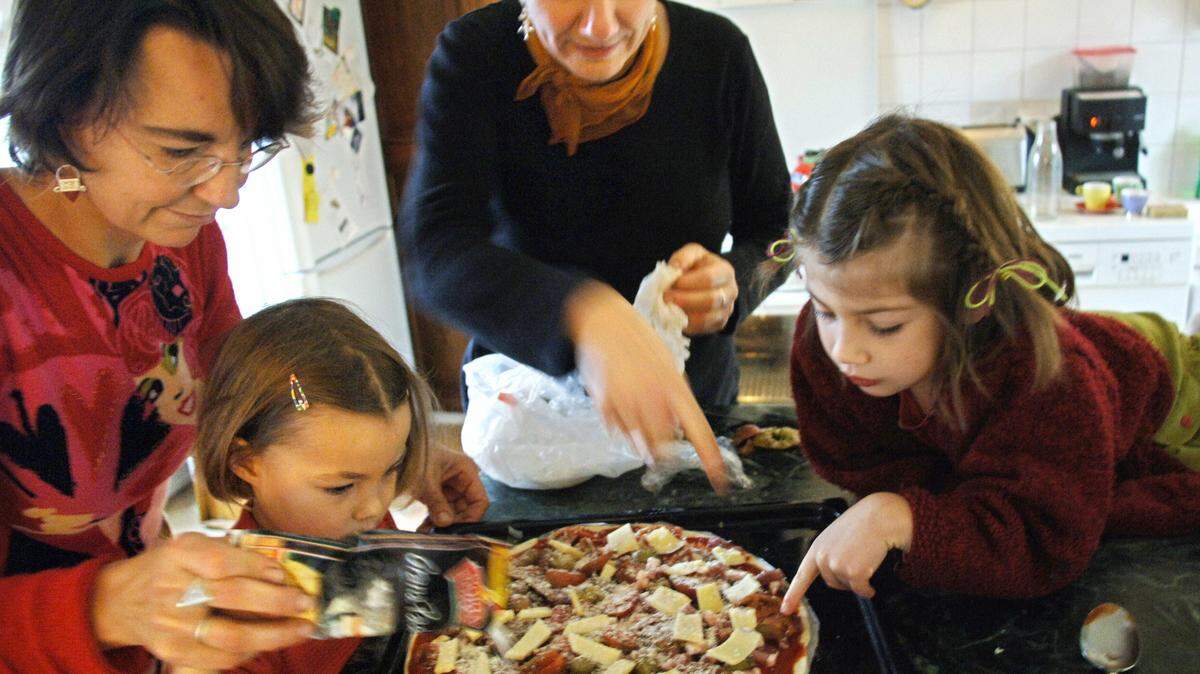
One of the easiest entry points is treating Sunday prep like a small assembly line, with a job for everyone in the household. The tasks are simple enough for younger kids and useful enough that older ones feel like real contributors.
Typical jobs include:
- Chopping soft vegetables
- Washing greens
- Portioning snacks
- Labeling containers
The repetition is part of the point. Kids build food familiarity and autonomy, and the shared rhythm turns cooking into what amounts to a low-pressure ritual rather than a chore the adults dread.
Dinner templates that take the guesswork out of weeknights
Decision fatigue is one of the biggest reasons weeknight dinners fall apart. A Sunday reset can solve that by leaning on a rotating set of dinner templates instead of a brand-new menu every night. Families that use this approach often cycle through the same handful of themes, which makes shopping, prepping and cooking dramatically faster.
Common templates include:
- Taco night
- Grain bowl night
- Pasta night
- Breakfast-for-dinner night
The structure is flexible. Taco night can swing from chicken to beans to leftover roasted vegetables and grain bowl night absorbs whatever produce is about to turn. Templates give the week a shape without locking anyone into a rigid menu.
A lunch and snack station that runs itself
Packing lunches and finding snacks tends to be where weekday mornings break down. A dedicated Sunday ritual focused on lunch and snack components keeps the fridge functioning more like a self-serve station for the rest of the week.
That ritual usually includes prepping grab-and-go snack boxes, sandwich components and a fruit wash-and-portion routine. Once the containers are stocked and visible, kids can assemble their own lunches or grab a snack without an adult reopening the same cabinet five times a day. It is a small shift that quietly returns time across the week.
The one-pan pre-cook that powers multiple meals
The most flexible piece of a Sunday reset may be the one-pan pre-cook — roasting or baking a few base ingredients that can be remixed all week. The goal is not finished meals but building blocks that move easily between lunches and dinners.
Families often roast sheet pan vegetables, roasted potatoes or sweet potatoes and baked chicken thighs or tofu. Hayley Merrill, a physician assistant with Hartford HealthCare Medical Group, told HartfordHealthCare that “preparing a few versatile building blocks like grilled chicken, roasted vegetables or cooked grains gives you flexibility. You can mix and match those components throughout the week without feeling like you’re eating the same meal over and over.”
Merrill also pointed to the trap that derails most meal prep: doing too much. “When meal prep feels like too much effort, it’s easy to abandon it,” she said. “But prepping just enough to reduce daily stress strikes a balance between convenience and sustainability.”
The clean-up ritual that closes the loop
The final piece of a Sunday reset is an intentional kitchen refresh — not a deep clean, just enough to set the room up for the week. Families that build this in say it is the part that most affects how Monday morning feels.
A typical reset includes:
- Wiping counters and stove surfaces
- Clearing out expired fridge items
- Restocking basics like milk, eggs and lunch staples
- Loading and running the dishwasher
- Setting out clean dish towels and sponges
Walking into a calm kitchen on Monday reinforces every other ritual on the list. The counters are clear, the fridge is honest about what is actually in it and the tools are ready.
Why these rituals matter beyond the meals
The food is only part of the payoff. Cooking together becomes a low-pressure ritual, kids build food familiarity and autonomy and the shared repetition creates a kind of routine comfort that is hard to manufacture any other way. For families looking to lower weeknight stress without overhauling their lives, a Sunday reset built on a few repeatable rituals tends to deliver more than its modest time investment suggests.
This article was created by content specialists using various tools, including AI.