Non-toxic ceramic cookware is everywhere. Here’s how to tell what’s actually safe
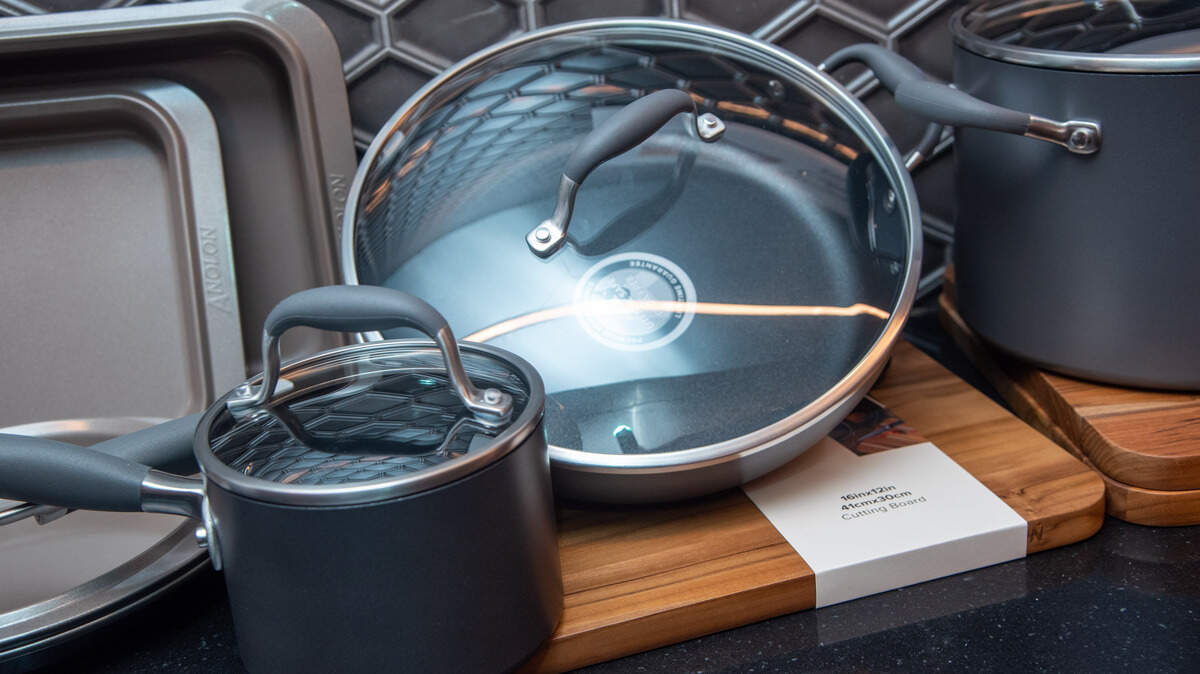
Non-toxic ceramic cookware has become the modern replacement for traditional nonstick pans, especially among shoppers worried about forever chemicals linked to older Teflon-era cookware. Celebrity-backed brands like Our Place, GreenPan and Caraway market sleek ceramic pans as cleaner, safer and healthier alternatives.
But many consumers don’t realize two important things: “non-toxic” has no regulated definition in cookware marketing, and most ceramic cookware sold today is not actually solid ceramic.
That doesn’t mean ceramic cookware is unsafe. It just means the labels are more complicated than they seem.
What “non-toxic ceramic cookware” actually means
Most cookware brands use “non-toxic” to signal that their pans are free from PFOA and PTFE, the chemicals associated with traditional nonstick coatings.
The problem is that “free from” does not automatically mean completely harmless.
Many ceramic-coated cookware formulas are proprietary, meaning companies are not required to publicly disclose every ingredient used in the coating. That leaves consumers trying to evaluate safety without fully knowing what’s on the pan itself.
True ceramic cookware vs. ceramic-coated cookware
The biggest source of confusion is that there are two very different types of ceramic cookware — and one of them technically isn’t even ceramic.
True ceramic cookware
True ceramic cookware is made entirely from clay-based materials that are kiln-fired at temperatures above 2,000°F. It’s solid ceramic throughout, extremely heat-resistant, heavy, durable and usually more expensive.
Because it does not rely on a synthetic coating, true ceramic is generally considered the safer option for high-heat cooking. Xtrema is one of the few widely available examples of true ceramic cookware.
Ceramic-coated cookware
Most trendy non-toxic ceramic pans are actually ceramic-coated cookware.
These pans typically start with an aluminum base that gets sprayed with a coating made from silica, metal oxides and chemical binders before being baked onto the surface.
That includes many popular lines from Caraway, GreenPan and Our Place — including lines backed by Selena Gomez, Gwyneth Paltrow, Drew Barrymore and Stanley Tucci.
The American Ceramic Society says “quasi-ceramic” would actually be a more accurate term because these coatings only resemble ceramic rather than becoming solid ceramic themselves.
Is ceramic cookware non toxic?
The honest answer is: not completely.
Ceramic-coated cookware avoids the exact chemicals that made older nonstick pans controversial, but some experts say there are still unanswered questions surrounding the replacement materials.
According to The American Ceramic Society, some ceramic coatings may contain:
- Organic polymers
- Titanium dioxide nanoparticles
- Metal oxides
- Other PFAS-related compounds
That uncertainty frustrates both researchers and consumers trying to make safer choices.
“It’s challenging for regulators to know when we’re moving to safe alternatives, but it’s also hard for families who want to buy safer products,” Marissa Smith, a senior toxicologist with the Washington Department of Ecology, told The Guardian.
Even true ceramic cookware comes with caveats. The FDA has warned that some ceramic glazes or decorations may contain lead if improperly manufactured — though most true ceramic pans made today are mostly safe.
So while ceramic cookware may reduce exposure to certain chemicals, no pan is completely risk-free.
What cookware is safest for high heat?
For high-temperature cooking like searing, roasting or browning, true ceramic cookware is generally the better ceramic option because it tolerates heat much better than coated pans.
If the label says “ceramic-coated,” it is not true ceramic cookware — even if the branding heavily emphasizes the word “ceramic.”
Many experts also still consider uncoated stainless steel and cast iron the most proven long-term cookware choices because neither depends on a coating that can wear down over time.
Are ceramic-coated pans safe for everyday cooking?
Yes — if they’re used correctly.
Ceramic-coated cookware works best for lower-temperature cooking like eggs, pancakes, fish, sauces and quick sautés.
The biggest mistake people make is overheating them. High heat causes coatings to degrade faster and shortens the lifespan of the pan dramatically.
Once ceramic-coated cookware develops scratches, peeling, rough spots or flaking, it should be replaced. Unlike cast iron or stainless steel, coated cookware is not designed to last for decades.
The bottom line on non-toxic ceramic cookware
Ceramic cookware is safer in some ways than older generations of nonstick pans, but the marketing around “non-toxic” cookware is often much simpler than the reality.
The most important thing shoppers can do is understand the difference between true ceramic cookware and ceramic-coated cookware. True ceramic handles heat better and avoids synthetic coatings entirely, while ceramic-coated pans are better suited for gentler, everyday cooking.
If you want the most established long-term options, stainless steel and cast iron still remain the least controversial choices in the cookware world.
This article was created by content specialists using various tools, including AI.