Whole-house water filtration system: What it removes, what it can't and what to buy
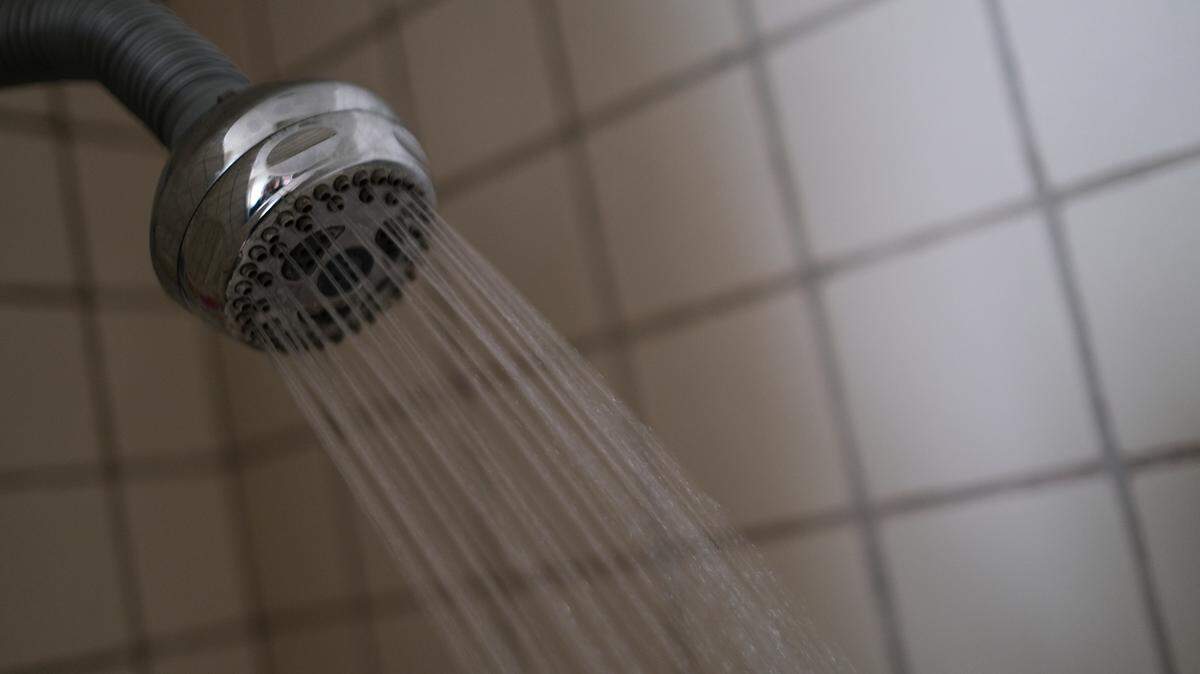
If your tap water tastes off, leaves spots on glassware or sends rust streaks down the shower wall, a whole house water filter may be the fix.
Unlike a pitcher or faucet attachment, this kind of system treats every drop entering your home — from the kitchen sink to the washing machine — and it has become one of the more popular upgrades for households dealing with sediment, chlorine or heavier contamination concerns like lead and PFAS.
But not every home needs one, and not every system delivers what it advertises. Here is what to know before you spend thousands on the wrong setup.
How a whole house water filter works
A whole house water filtration system installs at the point where the main water line enters your home, which means every faucet, shower and appliance gets filtered water. That sets it apart from countertop units, which sit on the counter and connect to a single faucet, and point-of-use filters, which treat water at one specific outlet like an under-sink line or showerhead.
“Home water filtration systems work by using various physical and chemical processes to remove contaminants from water as it passes through the system,” Kyle Postmus, a senior manager at the National Sanitation Foundation, told WebMD.
The right choice depends on two things: how contaminated your water is and what you want the system to accomplish. A household on well water with sediment issues has very different needs than a city home dealing only with a chlorine aftertaste.
What a whole house water filtration system can remove
No two whole-house systems target the same things. What a unit filters depends on its design, the cartridges it uses and the certifications it carries. In general, these systems can address a wide range of substances, including:
- Sediment such as dirt, sand, rust and silt
- Chlorine and chloramines
- Volatile organic compounds (VOCs)
- Pesticides and herbicides
- Heavy metals like lead, mercury and copper
- Bacteria and other microorganisms
- Unpleasant tastes and odors
Some systems are also built to target PFAS — the so-called “forever chemicals” — and microplastics, but not every filter handles them. If those are a concern, look for a system that specifically lists them and carries NSF/ANSI 53 certification for PFAS removal.
One thing a traditional whole-house filter will not do is soften hard water. That requires a separate piece of equipment, which is where a whole house water softener comes in.
“Hard water is characterized by high concentrations of minerals, typically calcium and magnesium ions,” Rachel Kourey, director of merchandising for Home Depot, told Better Homes & Gardens. “To fully address hard-water issues, the use of a water softener alongside a whole house filter is necessary.”
Some combination systems pair filtration with a built-in softener or salt-free conditioner, though they come at a steeper price.
What to look for when shopping
Before you commit to a system, work through these factors. Skipping any of them is how households end up with a filter that does not match the water it is supposed to treat.
Initial water quality. Know what is in your water before you shop. A free report from your local utility or an at-home test kit will tell you which contaminants to target.
Filtration methods. Different filters handle different problems — activated carbon for chlorine and odors, sediment filters for particles, UV for bacteria, KDF (kinetic degradation fluxion) for heavy metals and reverse osmosis for thorough filtration.
Stages. Some systems run on a single filter; others use multiple stages, meaning water passes through two, three or more filtration methods in sequence.
Replacements. Check how often filters need swapping and how much replacements cost. Some last a few months, others more than a year. Those ongoing costs add up.
Flow rate. Measured in gallons per minute, this determines how much water the system delivers without losing pressure. Most households need at least 10 to 15 GPM.
Certifications. Look for NSF International or Water Quality Association certifications. These confirm the system has been independently tested.
“Some products may make unsubstantiated claims,” John Galeotafiore, associate director of Healthy Living at Consumer Reports, said. “Some may even show a test report that suggests it supports their claim. But was that a legitimate test, from a legitimate lab, of an actual sample of the product? And even if it was, that report is a one-time occurrence, not the continual monitoring that would occur if a product were certified.”
Top whole house water filter picks, according to experts
A handful of systems show up repeatedly in expert testing and reviews. These are the ones consistently recommended for different needs and budgets.
Aqua-Pure 3M Water Filter System AP904. Better Homes & Gardens’ top overall pick. Testers found it effectively removed chlorine taste and odor, reduced sediment buildup on faucets and improved water pH. It filters up to 100,000 gallons before needing a replacement and has a flow rate of 20 GPM.
Aquasana EQ-1000-AST-UV Whole-House Filter. This Old House host Bob Vila chose this as his top pick for a filter and softener combo. It pairs carbon and KDF filtration with a UV purifier that kills 99.9% of bacteria and viruses, plus a salt-free softener to help prevent mineral buildup. It adapts to both 3/4-inch and 1-inch pipes.
iSpring WGB32B 3-Stage Whole-House Water Filtration. Vila’s top three-stage pick. It comes with a sediment cartridge, a carbon block for chlorine and VOCs, and a third cartridge for iron and manganese. A KDF cartridge option is also available for lead, mercury and pesticides. Flow rate is 15 GPM, and cartridges last six to 12 months.
Express Water Whole House Water Filter System. Recommended by both BHG and Vila. It uses a multi-stage approach to tackle sediment, chlorine and heavy metals like lead, mercury and iron. BHG’s testers noted it brought nitrate levels down to a safe range, and their tap water tasted as good as refrigerator-filtered water after installation.
A whole-house filter is only as good as the homework behind it. Test your water, match the system to what actually needs removing and don’t trust marketing claims without an NSF or WQA seal to back them up. Get those three things right and the system pays for itself.