
Why every home cook’s windowsill needs these fresh herbs growing within arm’s reach
Most dried herbs lose their flavor within 6 to 12 months, and a $4 herb plant on the windowsill will usually give you more flavor than the store-bought version ever will. Here’s what’s actually worth planting at home — and what you need to keep it alive.
Which herbs are worth planting fresh instead of buying dried?
Basil, chives, oregano, thyme, rosemary, sage and lemon verbena top the list of herbs worth planting at home — each one delivers more flavor fresh than it does from a jar that’s been sitting on a shelf.
Basil is expensive at the grocery store but grows fast once established, and it instantly makes everything taste fresher. A single healthy plant can keep a home cook supplied through a whole season. Chives are basically impossible to kill, which makes them an ideal first herb for a windowsill garden, and they can be used on just about anything.
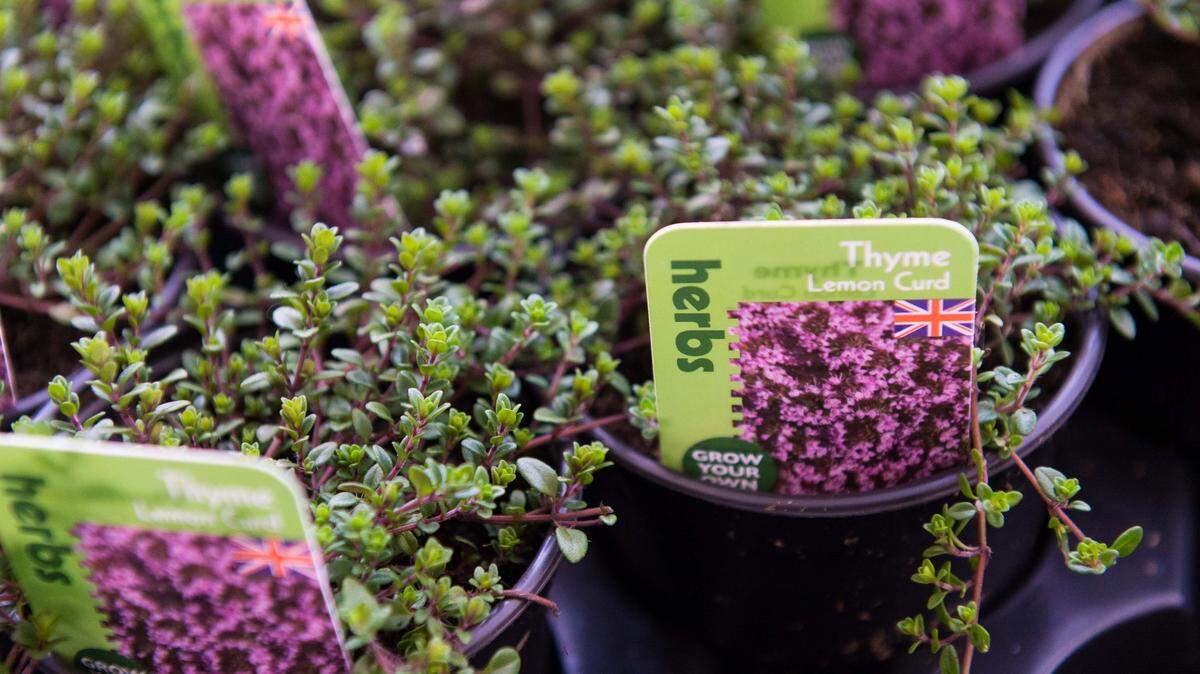
Oregano grows like a weed once it takes hold, dries beautifully if you have more than you can use fresh and tastes better as a home-dried herb than the version most people buy. Thyme is the long-game investment of the group: one small plant keeps producing for years with very little intervention.
Rosemary loves direct sun and dries in just a week or two when you cut a stem and hang it somewhere ventilated, so it doubles as a fresh herb and a homemade dried supply. Sage produces huge leaves with a strong, distinctive flavor, and one plant gives most home cooks more than enough to work with.
Lemon verbena rounds out the list for anyone who makes herbal teas, desserts or summer drinks. It’s harder to find in stores than the others, which makes growing your own especially worthwhile.
The underlying principle is simple: most kitchens don’t need a cabinet full of dried herbs. They just need a few living ones within arm’s reach of the stove.
What do you need to start planting herbs on a kitchen windowsill?
You need a sunny window, small pots with drainage holes, potting soil, herb starts or seeds and a tray or saucer to catch water underneath. That’s the entire starter kit.
A south-facing window is best, but any spot that gets 4 to 6 hours of sunlight per day will work. Light is the single biggest factor in whether your plants thrive or get leggy and weak. If your only options are dimmer windows, plan to rotate the pots regularly so each side of the plant gets sun exposure.
Skip dirt scooped from the yard. Use bagged potting soil instead — it’s formulated to drain properly and won’t introduce pests or disease into your kitchen. Drainage holes in the pots matter for the same reason: roots sitting in standing water are one of the fastest ways to kill an otherwise healthy herb plant. The tray or saucer underneath catches runoff so your windowsill, counter or shelf doesn’t get soaked every time you water.
Whether you start from seeds or buy small herb starts at a nursery comes down to patience and budget. Starts get you cooking sooner; seeds are cheaper and let you grow a wider variety. Either approach works on a windowsill, as long as the basics — light, drainage, the right soil — are in place from the start.
Which herbs are easiest to grow indoors for beginners?
Basil, chives, mint, thyme, rosemary and oregano are the six easiest herbs to grow indoors, and each one has slightly different care needs worth knowing before you commit shelf space to it.
Basil grows fast but wants lots of sun, so put it in your brightest window. Chives are nearly impossible to kill and forgive inconsistent watering. Mint grows aggressively and should be kept in its own pot — share soil with mint and it will crowd everything else out. Thyme is low maintenance and dries beautifully if you end up with more than you can use fresh. Rosemary likes bright light and less frequent watering, since it’s prone to root rot in soggy soil. Oregano loves lots of sun and rewards consistent light with steady growth.
Jerad Bryant with Epic Gardening writes: “Start common oregano seeds indoors while there’s ample sunlight from spring through summer. They’ll thrive in pots between six and ten inches of depth and a similar width. If your seedlings outgrow their pots, transplant them into larger containers with fresh potting soil.”
That pot-size guidance applies more broadly than just oregano. Starting herbs in containers 6 to 10 inches deep and wide gives roots enough room to establish, and moving plants into larger pots with fresh soil prevents them from stalling once they outgrow the original container.
How and when should you harvest herbs from your kitchen garden?
Wait until each plant reaches about 4 to 6 inches tall before you start cutting, and harvest from the top or outer stems to encourage fuller regrowth.
Melinda Myers, gardening expert tells Martha Stewart: “Harvest your herbs once the plant reaches about 4–6 inches tall so there are enough leaves left to support new growth. Cutting regularly from the top or outer stems actually helps herbs grow back fuller.”
Regular cutting isn’t optional — it’s part of what keeps the plant productive. Herbs left untrimmed tend to bolt, flower and lose flavor in the leaves. A small snip every few days for cooking does more for the plant’s overall health than letting it sprawl untouched in the pot.
For herbs like rosemary and oregano that dry well, you can cut larger stems when the plant is thriving and hang them somewhere ventilated for a week or two. That gives you a homemade backup supply for the months when indoor growth slows down, without the flavor loss you’d get from a year-old jar of pre-dried herbs from the store.
If a plant outgrows its container before the season ends, transplant it into something larger with fresh potting soil rather than letting it get root-bound. A stalled plant produces fewer leaves and weaker flavor — exactly the opposite of why you started planting fresh herbs in the first place.
This article was created by content specialists using various tools, including AI.