Nearly half of U.S. kids are breathing unhealthy air — here’s what parents can do at home
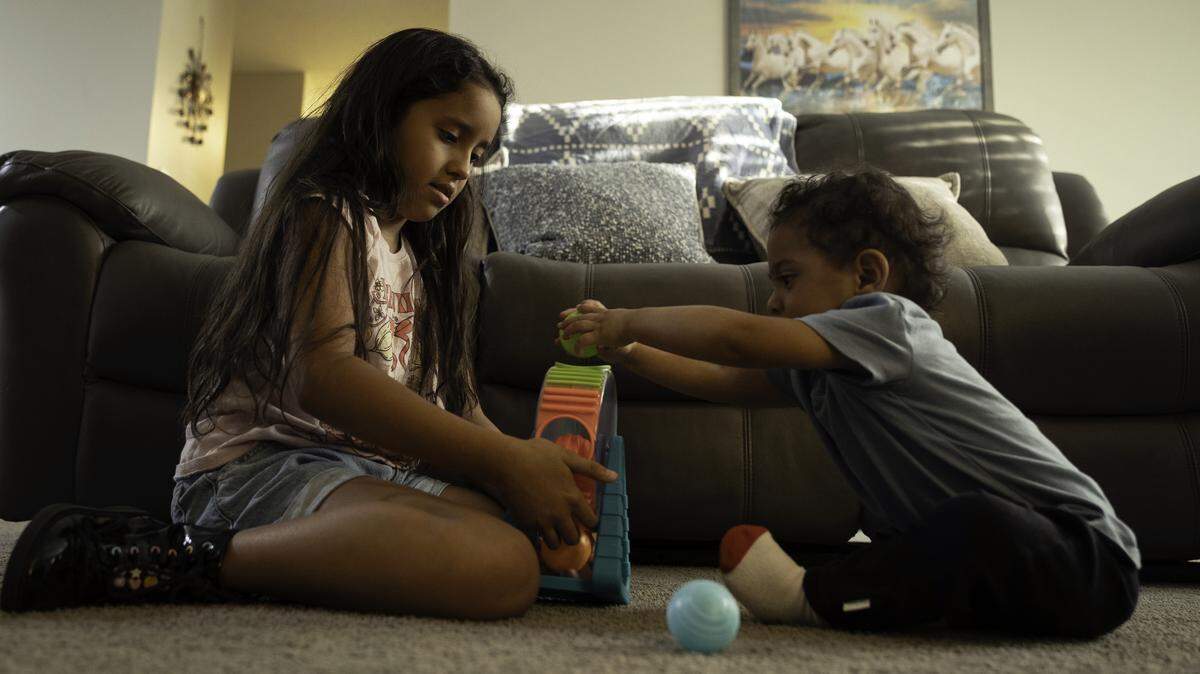
Nearly half of America’s kids are breathing air that can damage their lungs, slow their development and trigger lifelong health problems — and most of that exposure happens at home.
That makes learning how to improve indoor air quality one of the most consequential things parents can do this year, especially as wildfire smoke, gas appliances and aging housing stock push pollution levels indoors higher than many outdoor readings.
Children are uniquely vulnerable. They breathe roughly twice as much as adults relative to body weight, their lungs and brains are still developing and they spend 80% to 90% of their time indoors, according to the American Academy of Pediatrics.
Why unhealthy air quality is a children’s health crisis
About 46% of people under 18 live in places with unhealthy air quality, according to the American Lung Association’s 2026 “State of the Air” report. Nearly 2.4 million children with asthma live in counties that received an “F” grade for at least one pollutant.
“Polluted air can block small airways, interfere with lung growth, and disrupt normal brain development. Over time, these injuries can limit a child’s ability to learn, play and thrive,” the ALA warns.
Indoor levels can match or exceed outdoor pollution, the Environmental Protection Agency notes — which means the place kids feel safest is often the place doing the most harm.
The indoor air pollutants doing the most damage
The biggest household offenders include tobacco and vape smoke, natural gas and wood-burning appliances, mold and mildew, pet dander, radon, volatile organic compounds (VOCs), dust mites and pesticides.
Switching from gas appliances to electric “may reduce indoor air pollution up to 50%,” according to the Pediatric Environmental Health Specialty Units (PEHSU).
Smoke is another major target: it drifts back inside through doors and vents, and third-hand residue on clothing harms kids too. Smokefree.gov offers quit resources.
How to improve indoor air quality in your home
You don’t need to gut-renovate your home. A handful of targeted changes can dramatically improve what your kids are breathing.
Upgrade your filtration. If you have an HVAC system, swap in a MERV 13 or higher filter and change it every one to three months. In the rooms where your kids spend the most time — especially bedrooms — add a portable HEPA air purifier. Skip models with ionizers, which can produce ozone and make things worse.
Run your range hood. It sounds almost too simple, but cooking on the back burners with the range hood set to high captures far more combustion particles than most people realize. No range hood? Open a window and set up a fan to push air out. Keep kids out of the kitchen during heavy cooking sessions, and run exhaust fans for 10 to 15 minutes after you’re done.
Rethink how you clean. Dry sweeping and dusting launch particles back into the air right at a child’s breathing height. Instead, vacuum with a HEPA-filter vacuum, then follow up with a damp microfiber cloth on surfaces and a damp mop on hard floors. Swap aerosol sprays for pump bottles, and choose fragrance-free laundry products — the chemical scents left on clothing and sheets are another source of exposure kids rarely escape.
Control your moisture. Mold needs moisture, and moisture is controllable. Keep indoor humidity between 30% and 50% (a hygrometer costs under $15), fix leaks the moment you spot them, and make sure wet areas like bathrooms and basements are well ventilated.
Test for the things you can’t see. Radon, carbon monoxide, lead — these are silent threats with straightforward tests. Install CO and smoke detectors on every floor. Order a low-cost radon test kit from the American Lung Association. And if your home was built before 1978, test for lead paint.
Improving air quality doesn’t have to happen at once
None of this requires perfection. You don’t have to make every change at once or rip out your gas stove tomorrow. But the science is clear: the air inside your home matters more than most parents think, and kids are disproportionately exposed to whatever’s in it.
Start with one change this week. Then another next week. By the end of the year, your home will be a measurably healthier place for the people who need it most.
MORE INFO: How to choose the best HEPA air purifier for your home — and why it’s so important
This article was created by content specialists using various tools, including AI.