
These Are the Top Plants and Vegetables to Start Planting in Early Spring for a Thriving Garden
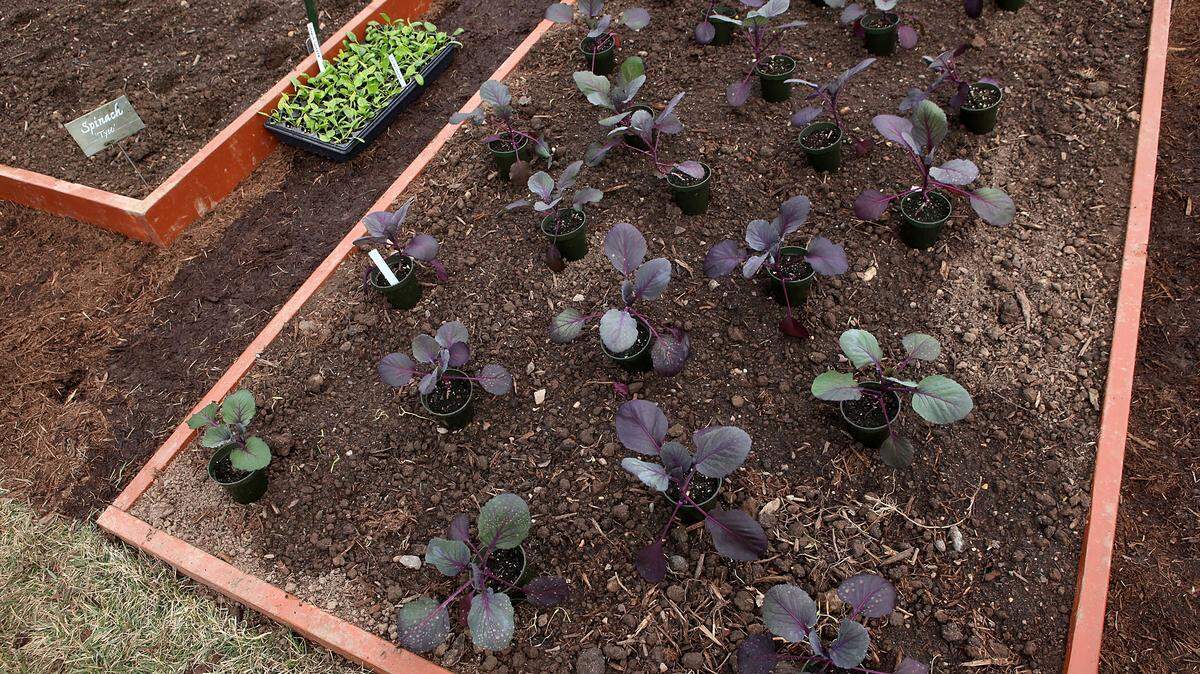
The window for early spring gardening is narrow — and missing it costs you an entire season of harvests. Cool-season crops like lettuce, peas and radishes will not perform the same way if you wait until the soil warms up. They need chilly nights and damp ground to thrive, which is why experienced gardeners are already planning their planting calendars before the last frost has cleared.
Knowing what to put in the ground first — and when — separates a productive spring from a frustrating one.
Best vegetables for early spring gardening
Leafy greens lead the list. Lettuce, spinach and kale thrive in cool soil and grow quickly, making them ideal for the earliest planting dates. According to a Martha Stewart article by Madeline Buiano and Katelyn Chef, lettuce is one of the earliest vegetables gardeners can plant in spring thanks to its ability to thrive in cooler temperatures. Landscape designer Ben Gordon of Metropolitan Garden and Design notes that harvesting the outer leaves first allows the inner leaves to continue growing, with many varieties ready to harvest by April or May.
Beyond greens, several other crops belong in the early rotation:
- Radishes — one of the fastest crops, ready in just a few weeks
- Carrots — prefer cooler temps for sweeter flavor
- Peas — climb early trellises and handle light frost
- Onions and scallions — low maintenance and cold-tolerant
- Beets — both roots and greens are edible
Broccoli seedlings, cabbage and Swiss chard round out the cold-hardy vegetable list. These plants are not just tolerating the chill — they actually prefer it.
Flowers that handle a chilly start
Vegetables are not the only thing going in the ground. Several flowers are built for early spring conditions and will reward you with color before warm-weather bloomers wake up.
Pansies and violas survive chilly nights and add color early. Daffodils and tulips — the classic spring bloomers — are planted earlier in the season but emerge as temperatures climb. Snapdragons tolerate cooler temps and bloom for weeks. In warmer early spring areas, marigolds help deter pests later in the season, and sweet alyssum offers a low-growing, pollinator-friendly option.
Sweet peas deserve special attention. Arricca Elin SanSone writes for Good Housekeeping that the old-fashioned favorite “vines beautifully up a trellis, showing off its delicate, sweetly-scented blooms in shades of white, pink, lavender and fuchsia. Plant the seeds about 6 to 8 weeks before the last expected frost in your area.”
Herbs to plant before the heat hits
Some herbs do their best work before summer arrives. Parsley is one of the most cold-tolerant herbs in the kitchen garden. Cilantro bolts in heat, so early spring is the ideal time to get it established. Chives come back year after year with little effort, and dill grows quickly in cooler temperatures. Mint spreads easily and is best grown in containers — a critical tip if you do not want it taking over your beds.
Why timing matters more than you think
Early spring gardening rewards planning. Many of these crops can be sown six to eight weeks before the last expected frost in your region, but exact timing depends on your local climate. Check your area’s average last-frost date before planting, and prioritize the cold-hardy options — kale, spinach, peas, cabbage — for the earliest sowings.
The reward for getting it right is significant: by the time other gardeners are just clearing their beds, you will already be harvesting greens, snipping fresh herbs and watching sweet peas climb the trellis.
This article was created by content specialists using various tools, including AI.