
Don’t Wait Until Evacuation Orders: What to Pack in a Wildfire Emergency Bag
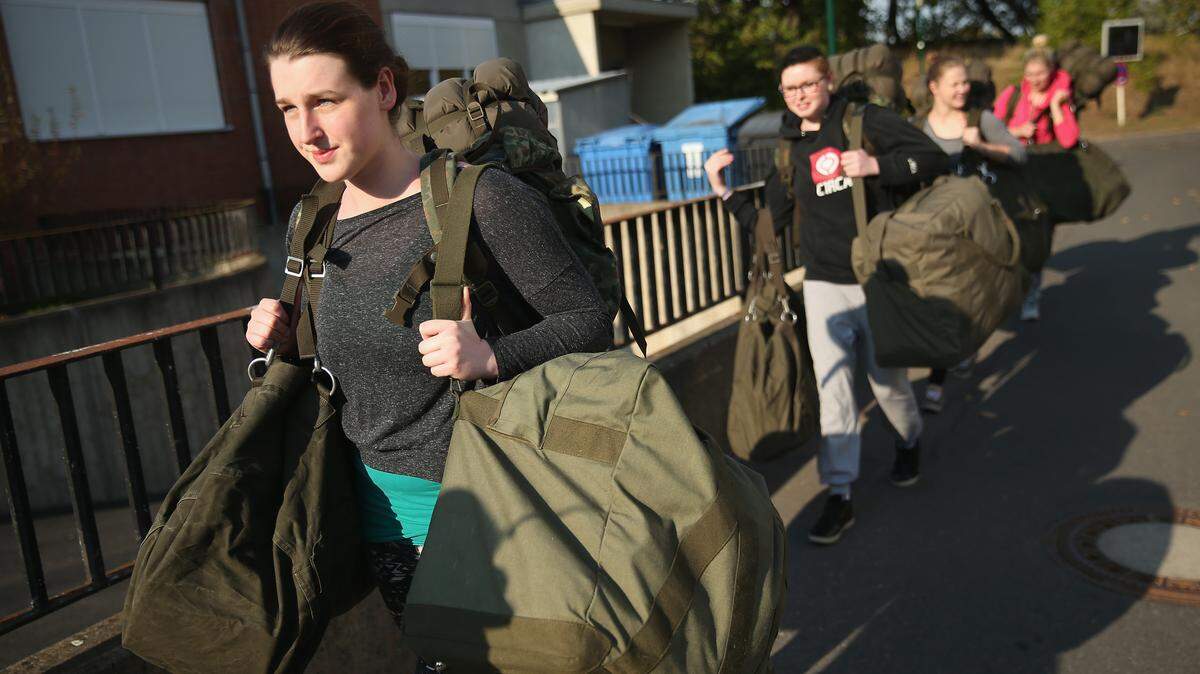
Wildfire season has families across the West rethinking how prepared they really are to leave home on short notice. A well-stocked go-bag can make the difference between a chaotic evacuation and one where you have what you need to stay safe, healthy and connected.
What should you pack in a wildfire evacuation go-bag?
A wildfire go-bag should hold the documents, medications and survival basics you cannot easily replace if your home is destroyed, all in a container light enough to carry on the run.
“Your carryall must be large and sturdy enough to hold the essentials and small enough to grab on the run. A backpack is a great option. If you’re not able to carry a heavy bag, Jonathan Sury, senior staff associate at the National Center for Disaster Preparedness, Columbia Climate School at Columbia University recommends ‘a duffel bag on wheels,’” according to AARP.
Start with the items that are difficult or impossible to recover after a fire: IDs and passports, insurance information, birth certificates, Social Security cards, prescription medications, spare glasses or contacts, emergency cash, and phone chargers with backup battery packs. Keep these in a waterproof pouch so you can grab them in seconds.
What survival tools do experts recommend for a wildfire go-bag?
Emergency preparedness experts say a handful of practical survival tools belong in every wildfire go-bag, because conditions during an evacuation can change fast.
Alyssa Provencio, a professor at the University of Central Oklahoma, told NPR that wildfire go-bag checklists vary widely, but a few essentials should always make the cut. She recommends packing a multi-tool or knife, paracord or rope that can be used for shelter or securing supplies, duct tape for quick repairs, a flashlight or headlamp with extra batteries, and a reliable fire starter.
Sury also recommends including an emergency blanket to help retain body heat if you are stranded outdoors or temperatures suddenly drop. Round out the kit with a portable radio, printed emergency contacts and paper maps in case GPS or cell service fails.
How do you protect yourself from wildfire smoke during an evacuation?
Pack N95 masks, saline spray, eye drops and any inhalers or breathing medications, because wildfires often create dangerous smoke long before flames are nearby.
Smoke can irritate eyes and lungs miles from the fire line, so include extra water to stay hydrated during a long drive or wait at a shelter. People with asthma or other respiratory conditions should keep a few days’ supply of medication in the bag and rotate it before it expires.
What should you pack for kids and pets in a wildfire go-bag?
Evacuations can stretch on for days, so pack comfort items and supplies that keep children and pets calm and cared for away from home.
For family members, include a change of comfortable clothes, lightweight blankets, travel-size toiletries, snacks with a long shelf life, and a book, headphones or small comfort item for kids. For pets, pack leashes and carriers, food and bowls, vaccination records, any medications and a familiar toy or blanket to reduce anxiety. Many emergency shelters require proof of vaccinations before accepting animals.
What should you keep in your car during wildfire season?
Because most evacuations happen by vehicle, your car should be stocked as a second go-bag and the gas tank kept at least half full throughout wildfire season.
Store jumper cables, phone chargers, extra water and snacks in the trunk, along with a small first aid kit. Flashlights, headlamps and extra batteries are useful if power lines go down or you end up evacuating after dark. Keeping these items ready year-round means you will not be scrambling when an evacuation order comes through.
This article was created by content specialists using various tools, including AI.