
Are Electrolyte Powders Really Hydrating You — or Just Flavoring Your Water?
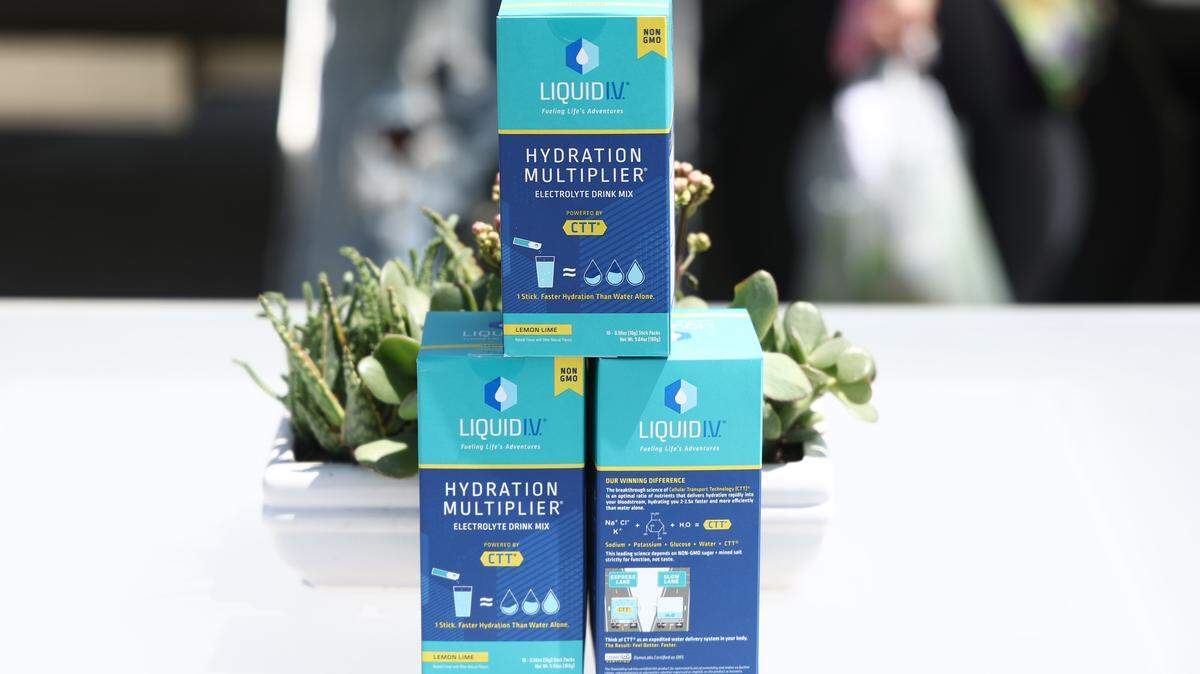
Walk down any grocery aisle and you’ll see them: brightly packaged sticks promising better hydration, faster recovery and a cure for whatever ails you after a hot run or a long flight. But not every electrolyte powder delivers what the marketing claims. The difference between a formula that actually works and one that’s mostly flavored sugar comes down to a few specific numbers on the label — and knowing what to look for can save you both money and a lot of disappointment.
How electrolyte powders work
Electrolyte powders are concentrated mixes of essential minerals designed to dissolve in water and help your body hold onto fluids more efficiently than plain water alone.
Registered dietitian Jessie Shafer explains the science to The Real Food Dietitians: “Electrolytes are all about balance. They’re a group of seven essential minerals (sodium, potassium, magnesium, calcium, chloride, phosphate, and bicarbonate) that each have either a positive or negative charge when dissolved in your body’s water or blood. That + or – charge is what makes it so electrolytes can help you achieve or replenish a fluid balance in your cells and a pH balance in your blood, both of which are very important for keeping you healthy.”
Think of these powders as a portable version of a sports drink like Gatorade — but often more customizable in strength and ingredients.
When electrolyte powders are actually useful
A powder is most worth reaching for in specific situations:
- Intense or prolonged exercise
- Hot weather and heavy sweating
- Illness involving vomiting or diarrhea
- Low-carb or fasting states
- Travel, altitude or mild dehydration
For everyday hydration in a temperature-controlled office, water is usually fine. The powders earn their place when your body is losing minerals faster than food and fluids can replace them.
What to look for in an effective formula
Past the branding, effectiveness comes down to a handful of factors. Sodium is the most important — it’s the mineral that drives fluid absorption and replaces what you lose in sweat. Potassium and magnesium support broader function, and a small amount of sugar can actually enhance absorption in certain situations.
Simplicity matters too. A powder doesn’t need dozens of ingredients to work. In many cases, the cleaner the formula, the better it performs.
How much sodium should you be looking for? Leah Reitmayer, MS, RD, a board-certified sports dietitian and owner of Lettuce Eat Dessert, told Men’s Health: “You want to look for a product that contains at least 230-690mg of sodium.”
That range is the practical benchmark. Below it, you’re unlikely to get a meaningful hydration boost.
Which ones don’t live up to the hype
Several red flags separate functional products from glorified flavor packets:
- Very low sodium content, often under 300 mg per serving
- High sugar — 10 to 20 grams or more — without meaningful electrolyte levels
- Vague “proprietary blends” that hide the actual amounts of each mineral
- Marketing claims that outweigh the formulation on the back of the package
A bright label and a wellness-influencer endorsement don’t make up for a weak ingredient list. If the sodium isn’t there, the hydration support isn’t either.
Why it matters for your wallet and your workouts
Electrolyte powders have become a multibillion-dollar category, and that growth has flooded shelves with products that look similar but perform very differently. Reading the nutrition panel — specifically the sodium line — is the fastest way to tell whether you’re buying a tool that supports your body or a packet of expensive sweetener. For athletes, sick days and brutal summer afternoons, that distinction is the whole point.
This article was created by content specialists using various tools, including AI.