Family's Dream Home Turns Into a Two-Year Mold Nightmare That Cost Them Over $50,000
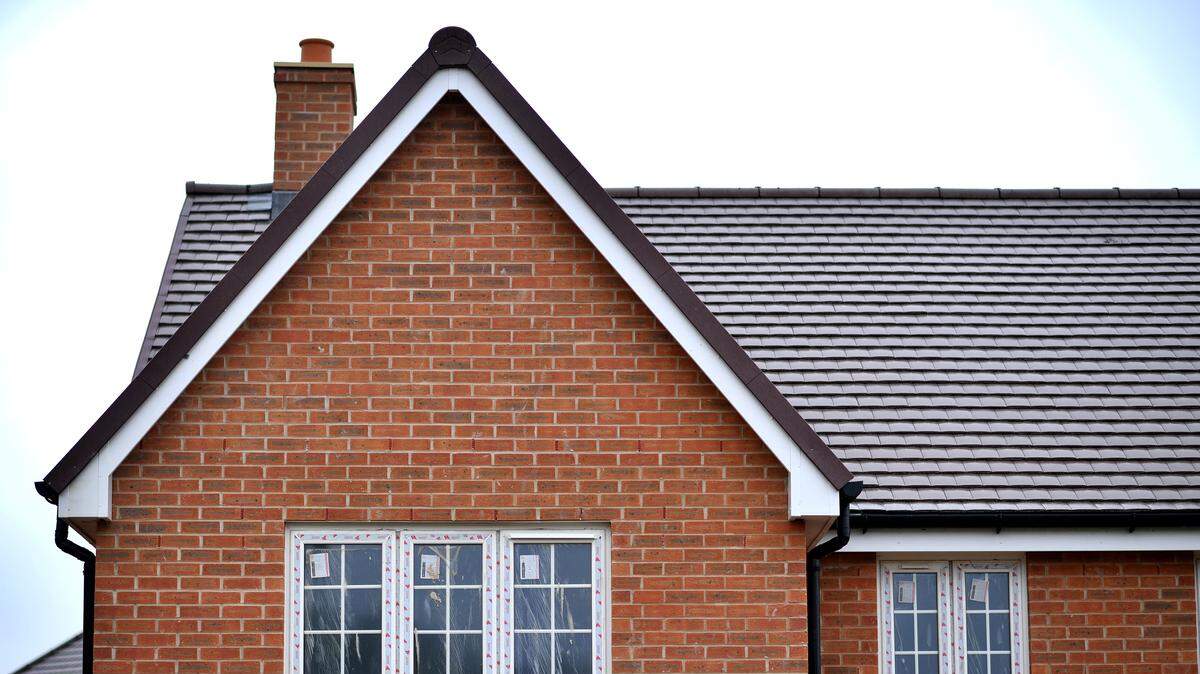
A Tennessee family’s two-year ordeal with hidden mold in their newly built home is putting a spotlight on a problem many buyers assume cannot happen to them.
Alexis and Ryan Silva moved into their Rutherford County house in March 2023 expecting a fresh start. Instead, they say repeated leaks, mounting illnesses and more than $50,000 in out-of-pocket repairs turned the property into a cautionary tale for anyone who believes new construction is automatically safe.
Now back in their home after nearly two years away, the Silvas are urging other homeowners to take mold seriously — even in houses that look pristine.
How hidden mold takes hold in newly built homes
In an interview with WTVF, published May 5, the family said problems started within months of moving in, with three separate leaks: one in the pantry, one connected to the HVAC system and one involving the roof.
The home, built by Meritage Homes, was repaired each time. But behind the walls, conditions for hidden mold were already developing. Even a short-lived leak can introduce enough moisture for spores to colonize drywall, insulation or subflooring — often without any visible signs.
That is what makes new homes deceptive. A house can look immaculate while harboring active growth in places homeowners never think to check.
Symptoms of mold exposure that often go missed
By 2024, the Silvas noticed their family kept getting sick. Neighbors began commenting on how often someone in the household appeared ill. Eventually, a doctor asked Alexis whether she had ever checked the home for mold.
“He said, ‘Have you ever checked your home for mold?’” Alexis recalled. “I laughed, and I said, ‘Oh, it’s a brand new home.’”
According to the Cleveland Clinic, common symptoms of mold exposure include sneezing, coughing, congestion, red eyes, postnasal drip and worsening asthma.
Symptoms can be especially persistent in children and in people with allergies or respiratory conditions. If multiple members of a household experience unexplained or recurring symptoms that ease when they leave the house, mold is worth ruling out.
When to schedule a mold inspection
The Silvas first collected a dust sample with a Swiffer and sent it to a lab, which returned elevated readings — including for black mold. A follow-up professional mold inspection confirmed heavy concentrations in areas connected to two of the earlier leaks.
Homeowners should consider a professional mold inspection when:
- Family members develop unexplained respiratory symptoms
- A musty odor lingers in any room
- Walls, ceilings or baseboards show discoloration
- Any leak — even one that seemed minor — has occurred in the past year
- Indoor humidity stays consistently high
- You suspect mold but can’t find it
Inspections typically combine a visual assessment with air or surface sampling. Catching a problem early can mean the difference between a targeted repair and tearing out entire rooms.
What mold remediation involves — and what it can cost
After months without a resolution from the builder, the Silvas paid for repairs themselves. According to the family, they spent more than $50,000 on professional mold remediation, a whole-home dehumidification system, new flooring and replacements for contaminated belongings.
Mold remediation generally involves containing the affected area, removing damaged materials, treating surfaces and addressing the underlying moisture source. Costs vary widely depending on the size of the affected area, the type of mold and whether structural materials need replacement.
The Silvas said they later asked Meritage Homes for at least $100,000 to help cover their losses but were declined. They also said the builder’s legal team required them to sign a liability release before issuing reimbursements for hotel and food costs they had already paid out of pocket — roughly $14,000 — which they refused.
“We understand things happen. Nothing is perfect. But if something goes wrong, you do the right thing,” Alexis told WTVF. “It’s not just us; it’s our kids that have suffered.”
How to protect your home from mold damage
The Silvas tried to sell the house and could not find a buyer. They eventually returned, and they are still replacing furniture and belongings they lost to contamination concerns.
“The last thing I would want is for a family to go through what we went through,” Ryan said. “It’s not fun. And it costs a lot of money. And it, as a father, just breaks my heart to see what my wife and kids had to go through.”
According to the New York State Department of Health, mold commonly develops in bathrooms, around shower curtains, on window moldings, in refrigerator door seals and on surfaces near air conditioning systems. Even small leaks can create the moisture conditions mold needs to grow.
The takeaway from the Silva family is straightforward: do not assume a new house is mold-free. Track down the source of any leak quickly, watch for unexplained health symptoms and act on musty odors or visible discoloration before the problem spreads.
You can follow this easy DIY mold inspection to spot early warning signs of mold in your house.
This article was created by content specialists using various tools, including AI.