9 Signs of Mold in Your House: Is Your Home Making Your Family and Guests Sick?
Mold problems rarely announce themselves all at once. More often, the warning signs of mold in your house start small — a strange smell in the laundry room, bubbling paint near a window or a family member who suddenly can’t stop coughing.
The problem is that mold can begin growing within 24 to 48 hours on a damp surface and many homeowners don’t realize there’s an issue until the growth has already spread behind walls, under flooring or through the HVAC system.
If you’ve been wondering whether your home could be affecting your family’s health, these are the biggest signs of mold in house environments to watch for.
9 warning signs of mold in your house
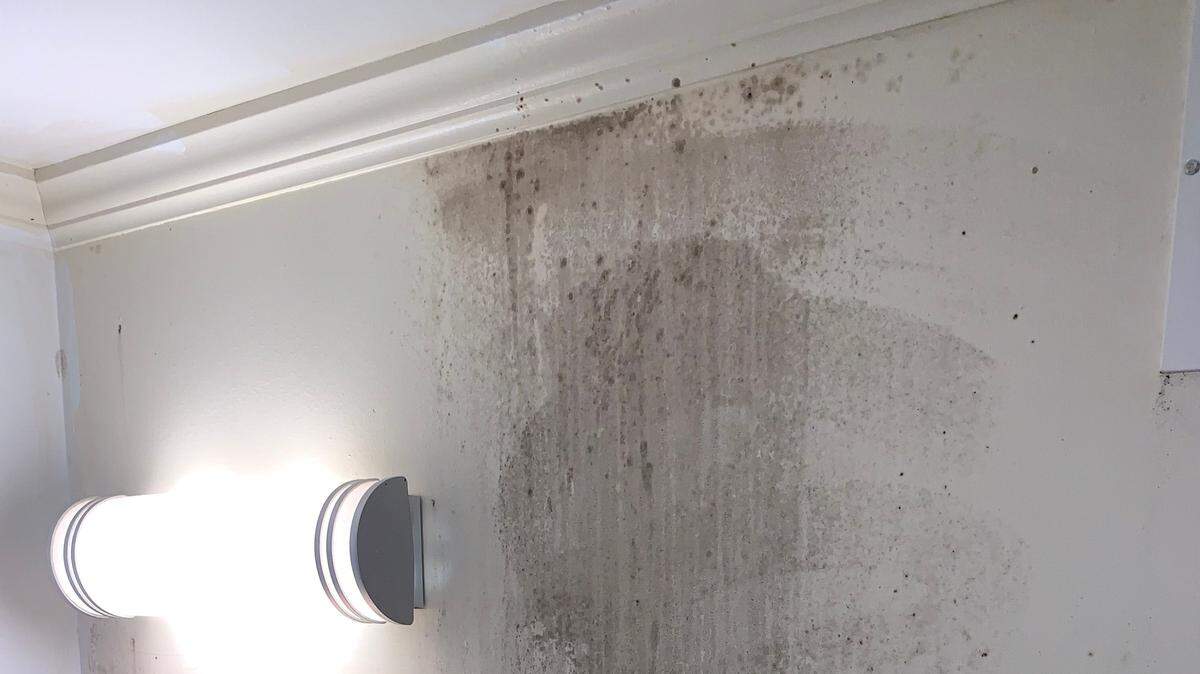
1. Visible patches in strange colors or textures
One of the clearest signs of mold is visible growth on walls, ceilings or other surfaces. Mold can appear black, brown, green, blue-green, white, yellow or orange. It may also look fuzzy, powdery or stain-like depending on the surface and moisture conditions.
“Mold comes in different colors and textures, from black and green to white and yellow,” Mark Brunke of John the Plumber told Southern Living. “If you spot any patches on surfaces like walls or ceilings, it’s likely mold.”
2. Yellow or brown wall discoloration
Not all mold appears as obvious black spots. Sometimes the warning sign is subtle staining — especially yellow or brown discoloration on walls or ceilings. These stains often point to hidden moisture behind drywall, which creates ideal growing conditions for mold. If the stain keeps returning after repainting, that’s a major red flag.
3. Bubbling, peeling or warped paint
Paint that suddenly bubbles, peels or warps is often reacting to trapped moisture underneath. That moisture may come from roof leaks, plumbing leaks, window condensation or hidden water intrusion inside walls. Once moisture gets trapped behind paint or drywall, mold can begin growing quickly.
4. Persistent leaks or damp areas
Leaks are one of the most common causes of household mold. Pay close attention to pipes under skins, window frames, rooflines, basements and crawl spaces.
According to the New York State Department of Health, common moisture sources include plumbing leaks, roof leaks, poor drainage and damp basements. If moisture sticks around, mold usually follows.
5. Heavy condensation in humid rooms
Bathrooms, basements and crawl spaces are some of the biggest trouble spots for mold growth because they trap humidity.
Condensation on mirrors, pipes, windows or walls can signal excess moisture in the air — one of the four ingredients mold needs to grow indoors. According to the Cleveland Clinic, mold thrives when moisture, oxygen, moderate temperatures and cellulose-based materials like drywall or wood are present together.
6. Soft floors, cracks or uneven surfaces
Sometimes mold damage shows up structurally before homeowners realize what’s causing it. Watch for soft spots on floors, uneven or sloping flooring, cracks in walls and warped materials. Long-term moisture exposure weakens wood, drywall and subflooring over time — and mold often grows alongside that damage.
7. A musty, damp odor
One of the strongest signs of mold exposure inside a home is smell. A persistent musty odor — often compared to damp soil or rotting leaves — is commonly linked to hidden mold growth, even when no visible mold can be found.
“That musty smell? It’s a sure sign of mold or mildew,” Cullen Powell of ProGrade Builders told Southern Living. “It’s caused by the release of compounds produced by mold and bacteria.”
If the smell lingers after cleaning and airing out the room, it may be time for a professional mold inspection.
8. A sulfur or rotten egg smell
Some homeowners notice a smell closer to sulfur or rotten eggs — especially near laundry areas or damp utility rooms. This can happen when mold combines with excess moisture and releases hydrogen sulfide gas. If your laundry room constantly smells “off” despite cleaning, moisture buildup may be hiding behind the walls or around the dryer vent system.
9. Allergy-like symptoms
The final — and often most overlooked — sign is physical. Common symptoms of mold exposure, according to Harvard Health Publishing, include:
- Coughing
- Sneezing
- Runny nose
- Watery or itchy eyes
- Congestion
- Difficulty breathing
- Headaches
- Fatigue
- Nausea
- Asthma attacks
- Hay-fever-style allergic reactions
“Mold can trigger allergies, asthma attacks, and other respiratory problems,” Brunke told Southern Living. “It’s especially risky for kids, the elderly, and anyone with a weakened immune system.”
One major clue: symptoms improve when you leave the house and return when you come back.
FAQ about signs of mold in house
What is mold? Mold is a fungus that spreads through microscopic airborne spores. It naturally exists indoors and outdoors, but excess moisture allows it to grow rapidly inside homes.
How fast can mold grow? Mold can begin growing within 24 to 48 hours after landing on a damp surface under the right conditions.
What conditions does mold need to grow? According to the Cleveland Clinic, mold needs moisture, oxygen, moderate temperatures and an organic food source like drywall, wood, carpet or paper.
What rooms are most likely to develop mold? Bathrooms, basements, crawl spaces, laundry rooms, areas around windows and HVAC systems are some of the most common mold-prone areas in a home.
Is a musty smell always a sign of mold? A persistent musty odor is one of the most reliable signs of hidden mold growth, especially if the smell remains after cleaning and ventilation.
What are the most common mold symptoms? Common signs of mold exposure include coughing, sneezing, watery eyes, congestion, headaches, fatigue and asthma-like reactions. Symptoms that improve when you leave the house can also be a clue.
Can mold make your family sick? Yes. Mold exposure can trigger allergies, worsen asthma and irritate the respiratory system, particularly in children, older adults and people with weakened immune systems.
When should you get a professional mold inspection? If you suspect hidden mold behind walls, under floors or inside HVAC systems, it’s safest to schedule a professional mold inspection rather than disturbing the area yourself.
Why does mold keep coming back? Mold returns when the underlying moisture problem isn’t fixed. Cleaning visible mold without addressing leaks, humidity or ventilation issues usually leads to regrowth.
This article was created by content specialists using various tools, including AI.