What Are Mosquitoes Attracted To? 9 Things Making You a Mosquito Magnet This Season
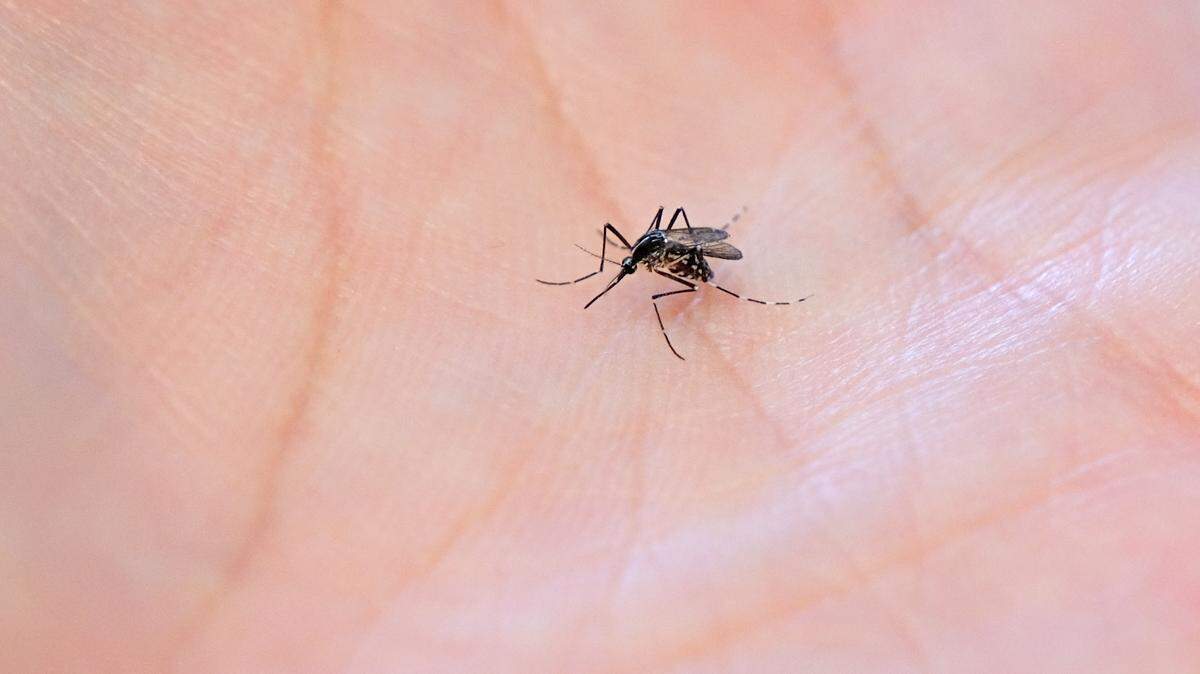
If you’re the one at every backyard hangout constantly swatting your arms while everyone else sits there untouched, you’re not imagining it.
Some people really are a mosquito magnet.
And while it might feel random — or deeply unfair — there are actual reasons mosquitoes seem to pick you over everyone else. It’s not just one thing, either. It’s a mix of biology, chemistry and even what you wore or ate that day.
Here’s what the research says about what attracts mosquitoes — and why you might always be the target.
1. Your blood type (maybe)
Let’s start with the question everyone asks: what blood type are mosquitoes most attracted to? Some studies suggest there’s a connection.
A 2019 study in the American Journal of Entomology found mosquitoes preferred Type O blood when given a choice between A, B, AB and O. A 2004 study found similar results — people with Type O (positive or negative) were landed on more often, while Type A appeared less appealing.
But here’s the catch: not all scientists agree.
“There’s no evidence to say that certain blood types – that is, certain antigens that sit on the outside of the red blood cell – influence a mosquito’s attraction to you,” said Associate Professor Nigel Beebe of UQ’s School of the Environment.
So while blood type might play a role, it’s far from the full explanation.
2. Your genetics are working against you
If you feel like mosquitoes always go for you, there’s a good chance it runs in the family.
A 2015 twin study published in PLOS One found that genetics may account for about 67% of mosquito attraction — which is similar to how strongly traits like height or IQ are inherited.
In the study, identical twins (who share the same DNA) attracted mosquitoes at nearly identical levels, while fraternal twins showed more variation.
In short: if your parents were mosquito magnets, you probably are too.
3. Your body odor and sweat
Mosquitoes don’t just see you — they smell you.
They’re drawn to specific compounds in your sweat, including lactic acid, ammonia and uric acid, according to USA Today. Your skin also produces steroids, cholesterol and other acids that can make you more attractive to them.
What affects those smells? Diet, hygiene, health and genetics. So even if you’re doing everything “right,” your natural body chemistry might still make you a target.
4. How much you’re breathing
Mosquitoes are obsessed with carbon dioxide. The more you exhale, the easier you are to find.
According to Our Blood Institute, people with higher metabolic rates give off more CO₂, which attracts mosquitoes. That includes:
- People exercising
- People drinking alcohol
- Pregnant individuals
- Anyone breathing heavily or rapidly
Even conditions like asthma or infection — which can cause faster breathing — may increase your appeal.
And here’s the wild part: mosquitoes can detect carbon dioxide from up to 120 feet away, according to USA Today. That means they quite literally smell you before they ever see you.
5. Your body heat
Once mosquitoes get close, heat helps them lock in. They’re naturally drawn to warmth, which is why they tend to target areas like your head and neck.
If you run hot, sweat easily or just came inside from yard work or a game of catch, you’re basically glowing to them.
6. What you’re wearing
Your outfit might be helping them find you faster.
According to University of Washington researcher Jeffrey Riffell, mosquitoes respond to both scent and color, per Time Magazine. In fact, they’re drawn to darker colors, such as black, navy, red, orange and cyan.
They’re less interested in white, green, purple, blue and gray.
Dark clothing also resembles the shaded areas mosquitoes naturally hide in, which makes you easier to spot, per the Harrison County Health Department.
7. Your skincare and scent
Trying to smell good for a backyard gathering? That might be backfiring.
Floral perfumes, scented deodorants and even some lotions can attract mosquitoes. Many moisturizers contain lactic acid, and anti-aging products often include alpha-hydroxy acids — both known attractants.
“Mosquitoes are attracted to our body odor, but they’re also attracted to the things we use to mask it, such as perfumes or deodorants,” said Dr. Christopher Bazzoli of the Cleveland Clinic.
8. What you eat (and drink)
There’s a lot of misinformation around diet and mosquitoes. No strong evidence shows that foods like salty snacks, sweets or potassium-rich foods make you more attractive.
But there are a couple of interesting exceptions.
Some studies suggest that beer and bananas may increase your chances of being bitten — though more research is needed. So, that cold drink in your hand (or post-workout snack) might not be helping your case.
9. Pregnancy
This is one of the clearest factors researchers have found.
A 2000 study on malaria-carrying mosquitoes found that pregnant women were twice as likely to attract mosquitoes compared to non-pregnant women.
That’s likely due to changes in body chemistry and increased carbon dioxide output.
Why mosquitoes bite in the first place
It’s also worth knowing that not all mosquitoes are after you. Only female mosquitoes bite, because they need protein from blood to develop eggs, according to Pfizer.
They use a combination of scent (especially CO₂ and body odor), sight (color and movement) and heat (your body temperature) to track down their next bite.
Their antennae and sensory organs help them track you down — often before you even realize they’re there.
The frustrating truth (and a small win)
If you’ve ever wondered why you’re always the one getting bitten, it’s not just bad luck. It’s a combination of factors — many of which you can’t control. And it gets even more frustrating.
“Unfortunately, they can learn,” Riffell said. “If you are very attractive and they bite you and drink your blood, they will then go back to you because they learned this kind of positive association.”
But there’s a small upside.
“The good news is that they can learn to avoid you, so if you’re trying to swat them they’ll learn that and they’ll avoid you a little bit.”
So if you feel like a mosquito magnet, you’re probably right. But now you know why — and at least a few ways to fight back.
This article was created by content specialists using various tools, including AI.