
What Are Prebiotic Sodas? Everything to Know About the Gut Health Trend
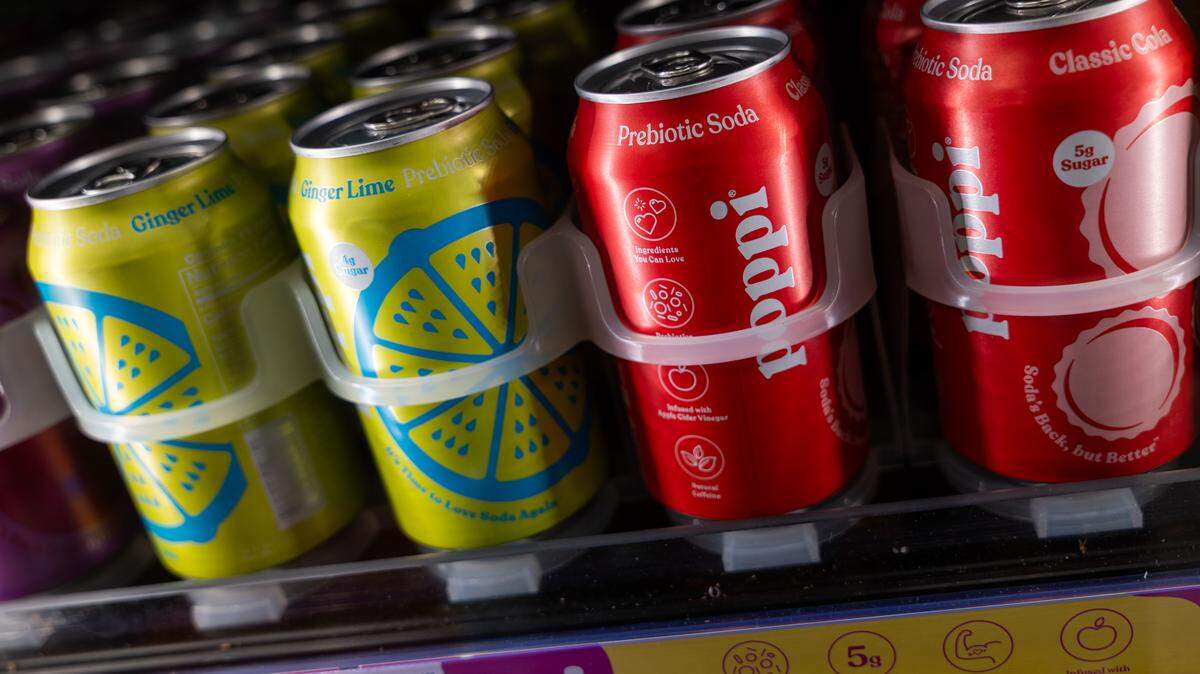
Walk down any grocery store beverage aisle and you’ll see them: brightly colored cans promising better digestion, lower sugar and a gut-friendly upgrade from the soda you grew up drinking. Prebiotic sodas have become one of the fastest-growing categories in the beverage world — but the question shoppers keep asking is whether the health claims hold up, or whether this is just clever marketing in a can.
Dietitians say the answer is somewhere in the middle. Yes, prebiotic fiber plays a real role in gut health. No, drinking a can of soda is not a shortcut to fixing your digestion.
How prebiotic sodas work
Prebiotic sodas aren’t your ordinary classic sugar-filled sodas. They’re built around dietary fibers your body can’t digest on its own.
According to Cleveland Clinic, “Prebiotic soda is a beverage that contains dietary fibers called prebiotics. Your body can’t digest these fibers. Rather, prebiotics serve as food for your microbiome, aka the trillions of good bacteria in your gut.”
That’s the core pitch: feed the good bacteria, and in theory, your gut benefits. Many of these sodas use inulin, a plant-based fiber, as their prebiotic source — which becomes important when we get to the downsides.
What dietitians say about the benefits
A healthy gut does more than process lunch. Registered dietitian Julia Zumpano told Cleveland Clinic that “It’s essential to keep your gut bacteria healthy because they do more than help you digest food. They play a huge role in immunity and your overall health.”
Lauren Manaker, M.S., R.D.N., L.D., told Prevention that prebiotics may help strengthen the gut barrier, “which acts as a protective shield to keep harmful pathogens out of your bloodstream. While prebiotics aren’t a magic bullet for immunity, they’re a powerful tool in your overall wellness arsenal.”
The other appeal is simpler: most prebiotic sodas contain less sugar than traditional soda, making them a reasonable swap for habitual soda drinkers looking to cut back without giving up the fizz.
The downsides experts want you to know
Not everyone is sold on the marketing. Jaclyn London, M.S., R.D., C.D.N., host of “The Business of Wellness” podcast, told Prevention: “I’m skeptical of the ‘gut health’ marketing claims being made by all of these brands, and I think we need to level-set on the idea that these drinks can have a profound effect on your gastrointestinal/digestive health without making other, more significant changes to one’s eating pattern.”
In other words, a can of soda — even one with fiber in it — isn’t going to undo a diet that lacks vegetables, whole grains and other natural fiber sources.
There’s also the issue of how your stomach handles all that inulin. Amanda Sauceda, M.S., R.D., founder of the Mindful Gut, also told Prevention that the fiber load can leave some drinkers feeling gassy or bloated. “This doesn’t mean the soda isn’t good for you, just that it may take more time for your gut to acclimate,” she said.
Should you drink prebiotic soda every day?
The takeaway from the dietitians: prebiotic sodas can be a smarter pick than traditional soda, especially if you’re trying to cut sugar. But they’re not a replacement for whole-food sources of fiber, and they’re not a cure for ongoing digestive issues.
If you’re new to high-fiber drinks, start slow. If you have a sensitive stomach or an underlying gut condition, talk to a doctor or dietitian before making one part of your daily routine.
This article was created by content specialists using various tools, including AI.