
Spring Patio Furniture Ideas That Help You Make the Most of Your Space
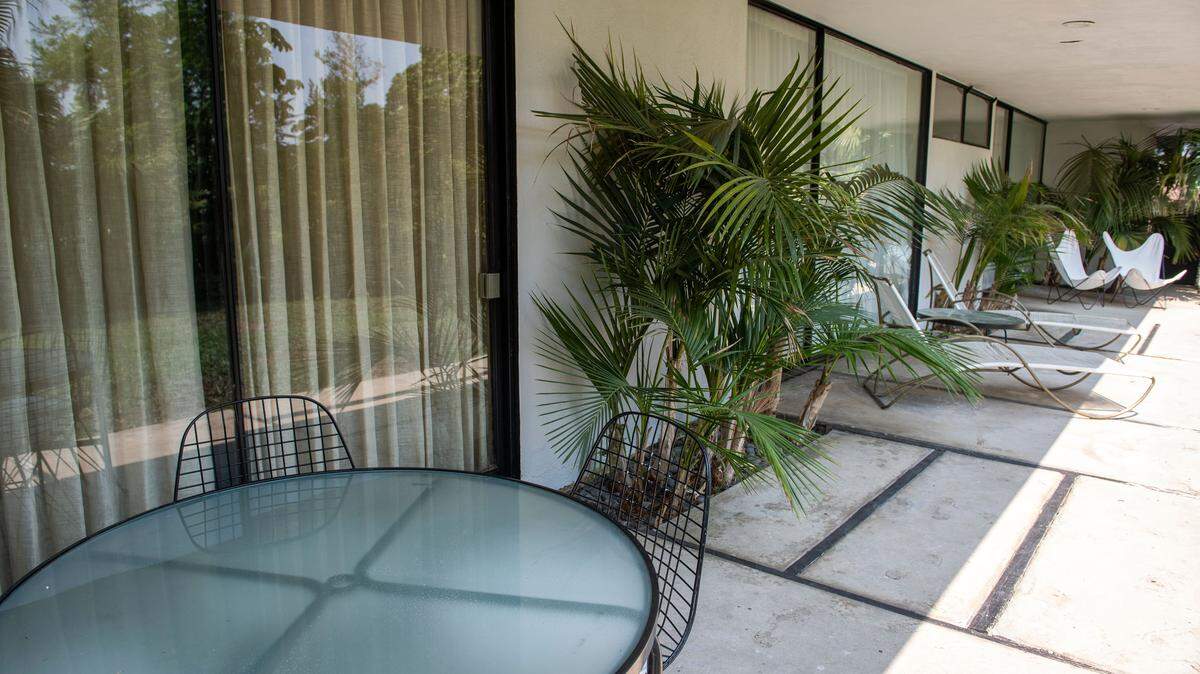
There’s a particular pleasure in rediscovering your backyard once the kids have moved on. The trampoline is gone. The soccer goals have been donated. What remains is something quieter and more interesting: a blank canvas for the kind of slow, social evenings you’ve been looking forward to for years.
The trick to getting it right isn’t buying more furniture. It’s choosing pieces that make the space genuinely functional — defined zones for conversation, dining and quiet relaxation, with smart storage and serving solutions woven throughout. Here’s how to think about it.
Create distinct zones for how you actually live
The most polished outdoor spaces aren’t decorated — they’re zoned. Even a modest patio can comfortably hold three: a seating area for conversation, a dining area for meals and a relaxation corner for unwinding with a book or a glass of wine.
A sectional anchors a conversation zone beautifully, signaling to guests where to gather without a word. A bistro set tucked into a corner becomes a charming spot for morning coffee or a long, lingering dinner for two. And a chaise lounge — placed slightly apart, perhaps near a planter or a low hedge — establishes the kind of quiet retreat that disappeared somewhere around the time the carpool schedule took over your life.
Zoning works because it gives every part of your patio a purpose. Guests instinctively understand where to sit, where to eat and where to drift off when the conversation winds down.
Choose furniture that does more than one job
This is where empty-nest entertaining gets interesting. The best outdoor furniture earns its square footage by serving multiple functions — particularly useful when you’re hosting a dinner party one weekend and a quiet brunch the next.
A few pieces worth prioritizing:
- Storage benches that conceal cushions, throws or extra serveware while doubling as seating
- Ottomans that work as footrests, side tables or impromptu extra seats when the gathering grows
- Nesting tables that expand surface area for drinks and appetizers, then tuck back together when not in use
- Foldable chairs stored in a shed or garage, ready to deploy when the guest list expands
- Modular seating that can be reconfigured for an intimate four-person dinner or a sprawling Sunday afternoon
In Better Homes & Gardens, Heather Luckhurst and Caitlin Sole make a strong case for restraint: “Using bulky outdoor furniture can make a small sliver of yard feel even more cramped. Instead, opt for small-scale seating with clean, narrow lines. A bistro set for two provides space for conversation and dining, while still allowing for traffic flow.”
The advice scales up. Even on a generous patio, clean-lined, multi-functional pieces read as more sophisticated than oversized sets that crowd the space.
Design for the way you entertain
If grilling, gathering and slow cocktail hours are the point of your outdoor space, your furniture should reflect that. A few moves make a real difference.
Arrange a conversation set in a circle or an L-shape so no one is left on the periphery. A fire pit table — part heat source, part gathering anchor — extends your evenings well past sunset and gives guests something to gather around once dinner has wound down. Bench seating accommodates the larger groups that empty-nesters tend to host: visiting adult children, neighbors, longtime friends.
And then there’s the question of where the drinks live. An outdoor bar cart, a slim serving console or a well-placed tray can transform the choreography of hosting.
Kerrie Kelly told Martha Stewart that a bar cart is one of the most useful additions to a patio: “This can hold an ice bucket with beverages, cups, plates, utensils, and even a portable grill.” If space is tight, Kelly suggests a tray “that can hold snacks and cocktails is the perfect versatile serving solution; simply position it on a table when you’re hosting.”
That kind of small, mobile serving solution keeps the host out of the kitchen — and in the conversation.
Make the most of smaller patios
Not every empty-nest backyard is sprawling. If you’re working with a more modest footprint, build up rather than out. Wall-mounted or fold-down tables open up floor space when not in use. Slim-profile seating reads as elegant rather than cramped. Corner layouts maximize seating without sacrificing flow. Stackable chairs handle overflow guests and disappear when you don’t need them.
Layout mistakes worth avoiding
A few missteps undermine even the most beautifully chosen pieces. Oversized furniture that blocks walkways disrupts the natural flow of a gathering. Pieces crammed too closely together feel claustrophobic. A scattered collection of small items reads as cluttered rather than curated. And a patio without a focal point — a fire pit, a statement chaise, a beautifully set dining table — never quite comes together.
The empty-nest patio, done well, isn’t about filling space. It’s about shaping it. Choose furniture that defines how you want to live outdoors now, and your backyard will reward you with the kind of evenings that make staying home feel like the destination.