
Simple Ways to Make Your Kitchen Work Better for Everyday Cooking
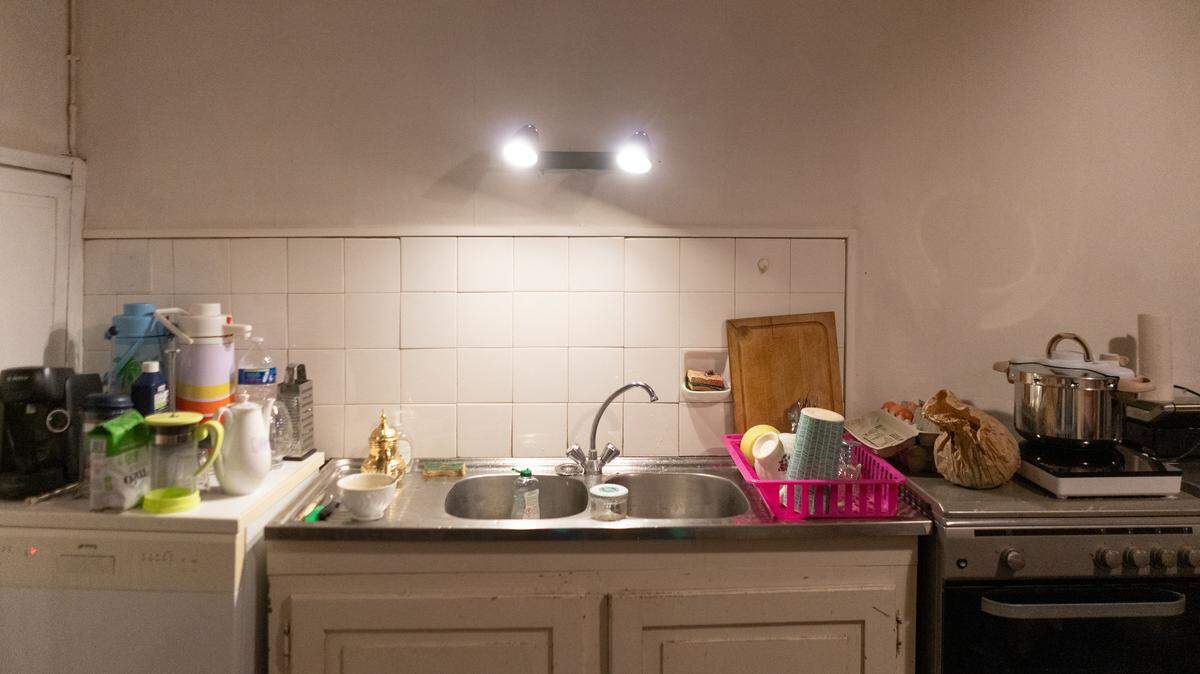
If your weeknights look anything like most working parents’ — homework spread across the table, a kid asking what’s for dinner before you’ve put your bag down, a sink that somehow filled itself with this morning’s breakfast dishes — your kitchen probably isn’t broken. It’s just crowded. And a few small tweaks can shave real minutes off the dinner-to-cleanup grind without anyone touching a hammer.
Here’s the good news: the changes that make the biggest difference aren’t renovations. They’re decisions about where things live.
Start by clearing the counter
Most kitchens feel hard to cook in because there’s nowhere to actually cook. The fix is unglamorous but powerful: pare countertops down to essentials, and donate the duplicate tools you’ve been stepping around for years. Two whisks, four spatulas, three half-used measuring cup sets — pick the ones you actually reach for and let the rest go.
A clear counter isn’t about aesthetics. It’s about not having to move six things before you can chop an onion.
Organize by task, not category
This is the single highest-impact change you can make, and it costs nothing. Instead of grouping items by what they are — all utensils together, all spices together — group them by what you’re doing.
Think in zones:
- Coffee or tea station: mugs, beans, filters, kettle, all in one corner.
- Prep zone: cutting boards, knives, oils, frequently used spices.
- Cooking zone: spatulas, tongs, cooking spices, oils — all near the stove.
Liz Goldberg, founder of design firm CAROLYNLEONA, tells Real Simple, “Keep your prep, cooking, and cleanup zones clearly defined and arranged so everything you need is within easy reach.”
When the items you need for a task are clustered where you’ll use them, you stop crisscrossing the kitchen mid-recipe. For a parent trying to brown ground beef while a 7-year-old narrates a school day at full volume, that matters.
End the daily drawer dig
Drawer organizers are the unsexy hero of busy weeknights. If you’ve ever pulled open a drawer, dug past three potato peelers, and finally surfaced the can opener while your pasta water boils over, you know exactly why.
Worth adding:
- Utensil dividers
- Spice drawer inserts (so you can read the labels at a glance)
- Pan lid organizers
The point isn’t a magazine-perfect drawer. The point is that you can find what you need on the first try.
Keep the everyday stuff out
If you use it every day, don’t hide it. The “tuck everything into a cabinet” instinct looks tidy but costs time on every single meal.
- Keep oils, salt and the spices you actually use within arm’s reach of the stove.
- Use a small tray to corral “everyday essentials” on the counter — it looks intentional rather than cluttered.
- Consider open shelving for go-to plates, bowls and mugs.
Visibility equals speed. And on a Tuesday at 6 p.m., speed is everything.
Add storage without remodeling
You don’t need a contractor to gain usable space. A few cheap add-ons stretch what you already have:
- Shelf risers (double the usable height inside cabinets)
- Pull-out bins (so the back of the cabinet stops being a mystery zone)
- Hooks inside cabinet doors (for measuring spoons, oven mitts, pot holders)
Sarah Lyon with The Spruce writes: “Hang small fruit baskets under your open shelves so to not let any amount of wall space go to waste. Putting away your groceries has never been easier.”
That last point is underrated. Anything that makes the post-grocery-run unloading faster gives you back time on a day you already don’t have any.
Better lighting, less frustration
Bad lighting slows down every task in a kitchen — chopping, reading recipes, checking whether the chicken is actually done. Three quick upgrades:
- Add under-cabinet lighting over your prep zone.
- Swap dim bulbs for brighter, warmer ones.
- If you’re renting, stick-on LED lights are a cheap, no-commitment fix.
You’ll be surprised how much faster prep feels when you can actually see what you’re doing.
Rethink the fridge for kid-friendly mornings
The fridge is its own organizational project, and a small reset pays off all week — especially for kids who graze.
- Put healthy, ready-to-eat foods at kid eye level.
- Cut fruit, cheese sticks, yogurt cups, baby carrots. Put healthy, ready-to-eat foods at kid eye level.
- Use clear bins so nothing disappears to the back to die.
Group ingredients by meal type — taco night supplies together, lunchbox staples together.
When the healthy options are the most visible options, the snack negotiations get shorter. So does the time spent packing lunches at 7 a.m.
The bigger payoff
None of these changes require a weekend project or a credit card. They’re decisions about placement and priorities. But stack three or four of them — task-based zones, drawer organizers, eye-level fridge layout, accessible essentials — and the kitchen quietly stops fighting you. Dinner gets on the table faster. Cleanup ends sooner. And the few minutes you reclaim every night add up to something that actually feels like rest.
This article was created by content specialists using various tools, including AI.