How One $5 Rotisserie Chicken Becomes Five Meals If You Know the Right Tricks
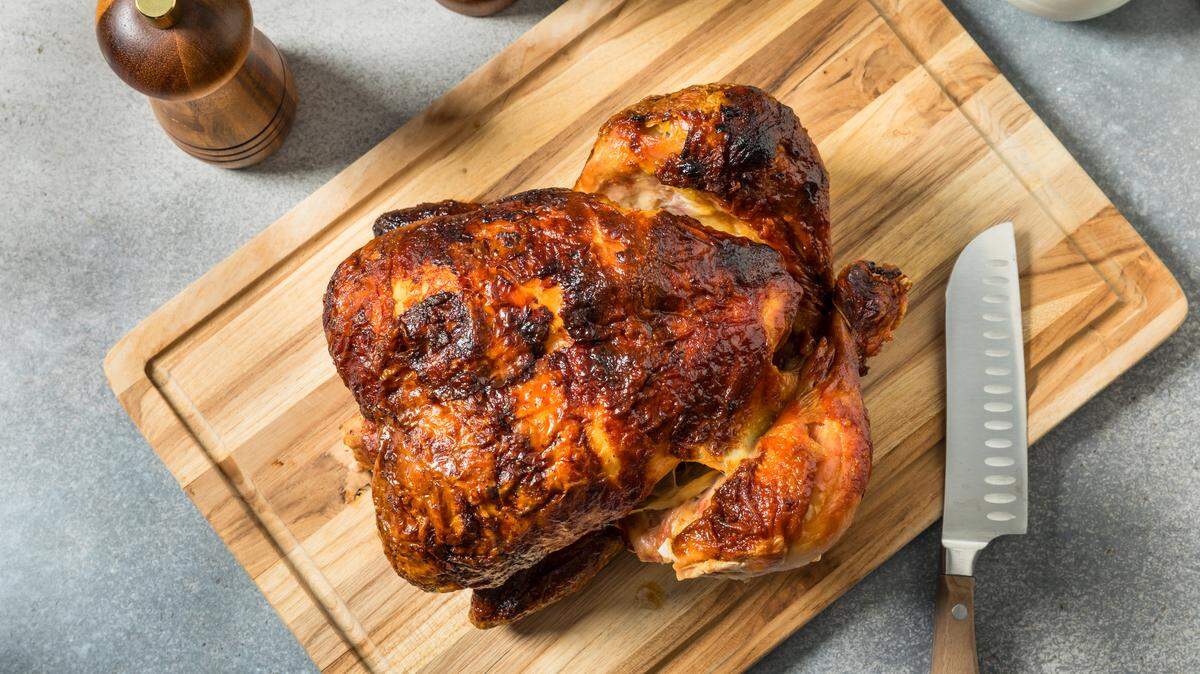
Rotisserie chicken is having a moment again. It’s trending across TikTok food content, it’s one of the most searched meal prep staples online, and it remains one of the few grocery items that’s genuinely resisted inflation. But the real value isn’t in eating it for one dinner. It’s in turning a single bird into four to five meals with almost zero cooking effort.
The Price Has Barely Moved in 25 Years
Grocery costs keep rising in 2026, but Costco’s rotisserie chicken has held at $4.99 since 2000. Sam’s Club charges $4.98. Most other retailers land between $5.97 and $9.99 depending on the chain.
That steadiness isn’t an accident. Grocery stores sell rotisserie chicken as a loss-leader, pricing it below cost to bring shoppers through the door. A PBS analysis confirmed that raw whole chickens at major grocers frequently carry higher price tags than the already-cooked rotisserie version. The savings get passed directly to you.
At $5 to $7, you’re paying roughly $3 to $4 per pound of cooked protein. That undercuts raw boneless chicken breast at the meat counter. Costco moved 157.4 million birds in fiscal year 2025 alone, making it the best-selling prepared item in American grocery retail.
What You’re Actually Getting for $5
A standard rotisserie chicken produces roughly 3 to 4 cups of shredded meat once deboned, which comes out to about 1.5 pounds of usable protein. A Costco bird pushes that to 5 or 6 cups.
The whole strategy hinges on one shift: using the chicken as an ingredient distributed across multiple dishes rather than serving it as a single dinner. When you’re adding a cup of shredded chicken to a grain bowl or a pot of soup instead of putting the whole bird on the table, one purchase covers most of the week.
The Framework: 4 Meals Plus Free Stock
Day 1: Serve it straight. Drumsticks, wings and sliced breast with rice, roasted vegetables or a salad. This is the only night the chicken plays the lead role.
Day 2: Shred the remaining meat and go global. Chicken tacos with salsa and avocado. A quinoa bowl with greens and sriracha. A wrap with hummus and whatever vegetables you’ve got. These are the same fast-casual meals you’d pay $14 for at a counter-service spot.
Day 3: Cook one pot. Toss a cup of shredded chicken into tortilla soup, a quick curry, fried rice or an enchilada casserole. Soups and stir fries are where one bird stretches furthest because the broth, grains and vegetables carry the dish.
Day 4: Make the carcass earn its keep. Simmer the bones with water, an onion, a carrot and celery for about an hour. Strain it, and you’ve got homemade chicken stock richer than anything in a carton. Freeze it in portions for future soups, risottos and stews. Tossing the carcass is like throwing away free groceries.
The Details That Make It Work
Shred the meat while the chicken is still warm. It pulls apart easily when hot and turns into a wrestling match once it cools. Separate white meat from dark as you go. White is cleaner tasting for salads, wraps and sandwiches. Dark meat has deeper flavor that holds up in soups, curries and casseroles.
Store shredded chicken in airtight containers. It keeps for up to 4 days in the fridge or 6 months in the freezer. For maximum stretch, build meals around dishes where the protein is distributed throughout rather than served as a slab.
Don’t Skip the Safety Basics
Refrigerate within 2 hours of purchase. Use stored portions within 3 to 4 days. Reheat to an internal temperature of 165°F. Simple steps, but they matter when you’re eating from the same bird across multiple days.
With grocery prices still climbing, a $5 rotisserie chicken remains one of the best protein values in any store. The only question is whether you’ll make it count for one meal or multiple.
This article was created by content specialists using various tools, including AI.
This story was originally published April 8, 2026 at 4:16 PM.