5 Overlooked Foods Rich in Fiber Dietitians Say You Should Be Eating Every Week
The biggest nutrition conversation of 2026 isn’t about a supplement or a trending powder. It’s about fiber, and the gap between what experts recommend and what most people actually eat.
That gap is massive. Harvard oncologist Dr. Ezekiel Emanuel reports that just 7% of American adults get enough fiber, a shortfall he ties directly to elevated risk of colorectal cancer, Type 2 diabetes and heart disease. USDA data confirms that roughly 95% of the population falls short, and that number hasn’t improved in years.
The 2025-2030 Dietary Guidelines responded with a renewed emphasis on whole, fiber-rich foods. And the rise of “fibermaxxing” as a 2026 nutrition trend suggests consumers are finally paying attention. But knowing fiber matters and knowing which foods to reach for are two different things. Here are five that registered dietitians keep coming back to.
The Legume Most Grocery Lists Are Missing
Lentils don’t generate much excitement, but nutritionally they punch above their weight. A half cup cooked delivers about 8 grams of fiber with plant protein, iron and folate packed in alongside it. Harvard nutrition professor Teresa Fung has noted that choosing lentils, beans or peas over animal protein is one of the most effective ways to fill the nutrient gaps American diets consistently show. They’re also one of the cheapest proteins per serving in the grocery store, they don’t require refrigeration and they cook in under 25 minutes.
A Pantry Staple That Outperforms Tuna
When people think of canned fish, tuna wins by default. But dietitian Kristen White, RD, argues that canned Alaskan salmon deserves the spotlight. Omega-3 content is higher, it provides vitamin D that many adults lack and the soft edible bones add a calcium boost most people don’t expect from a can. It stores indefinitely and turns into a meal in minutes.
A Root Vegetable With Cardiovascular Credentials
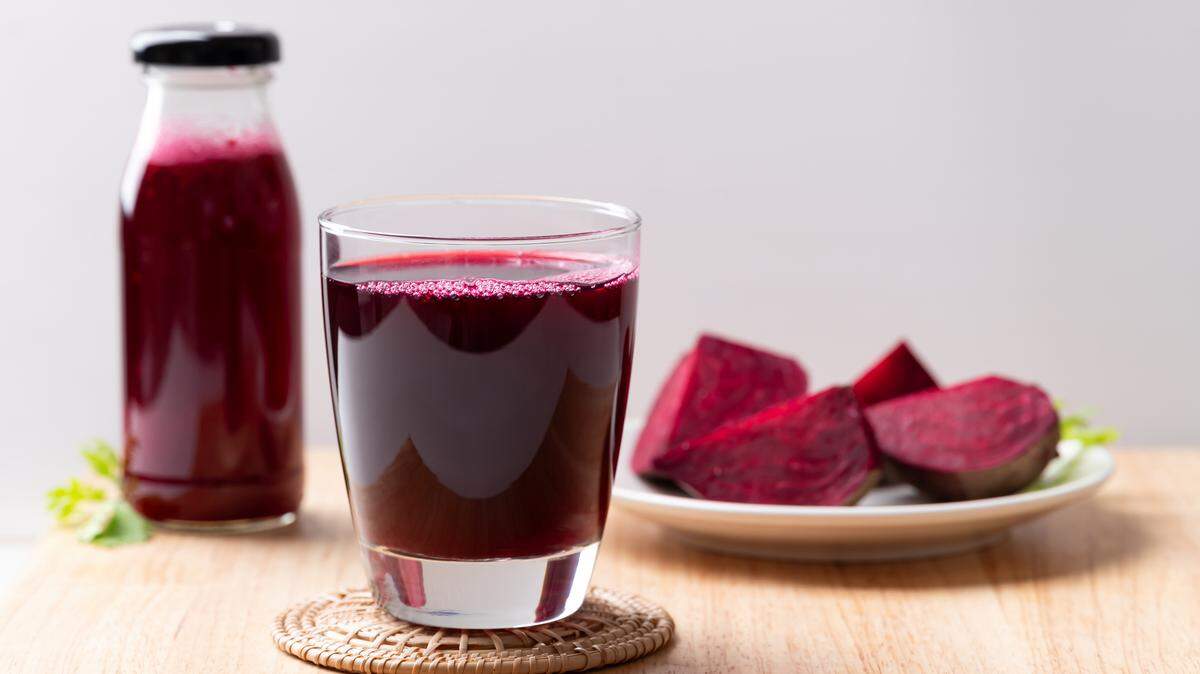
Beets tend to get filed under “health food I’ll get around to eventually.” But their naturally occurring nitrates have documented effects on blood pressure and circulation. Dietitian Molly Snyder, RDN, has named them among the most worthwhile foods to add in 2026. Unlike leafy greens that spoil quickly, beets hold up in the fridge for weeks. Pre-cooked and vacuum-sealed options at most grocery stores make them even more accessible.
The Gut Health Strategy With Real Clinical Data
Plenty of foods claim gut health benefits. Fermented foods like kimchi, sauerkraut and kefir have the research to back it up. A 2021 Stanford trial published in Cell showed that 10 weeks of regular fermented food consumption increased participants’ microbiome diversity while lowering 19 markers of inflammation. You don’t need to overhaul your diet to see benefits. A forkful of kimchi with dinner or a small kefir alongside breakfast builds the habit gradually.
The Smallest Change With the Biggest Mineral Payoff
Seeds are the rare nutritional upgrade that requires zero effort. Pumpkin seeds alone deliver 40% of your daily magnesium in a single ounce, according to registered dietitian Maggie Michalczyk. Add flax for omega-3s and hemp for zinc, and you’ve covered several common nutrient gaps without turning on the stove. Keep a jar on the counter, add a scoop to whatever you’re already eating and move on with your day.
Why These Five Keep Showing Up
What connects this list isn’t trendiness. It’s the fact that each food addresses a specific, well-documented nutritional gap most Americans share: not enough fiber, not enough omega-3s, not enough magnesium, not enough microbial diversity. They’re all affordable, widely available and simple to work into existing meals. If the fibermaxxing conversation has you rethinking your grocery list, these are five concrete places to start.
This article was created by content specialists using various tools, including AI.