
Bought Your First Home? 6 Forgiving Flowers for New Gardeners
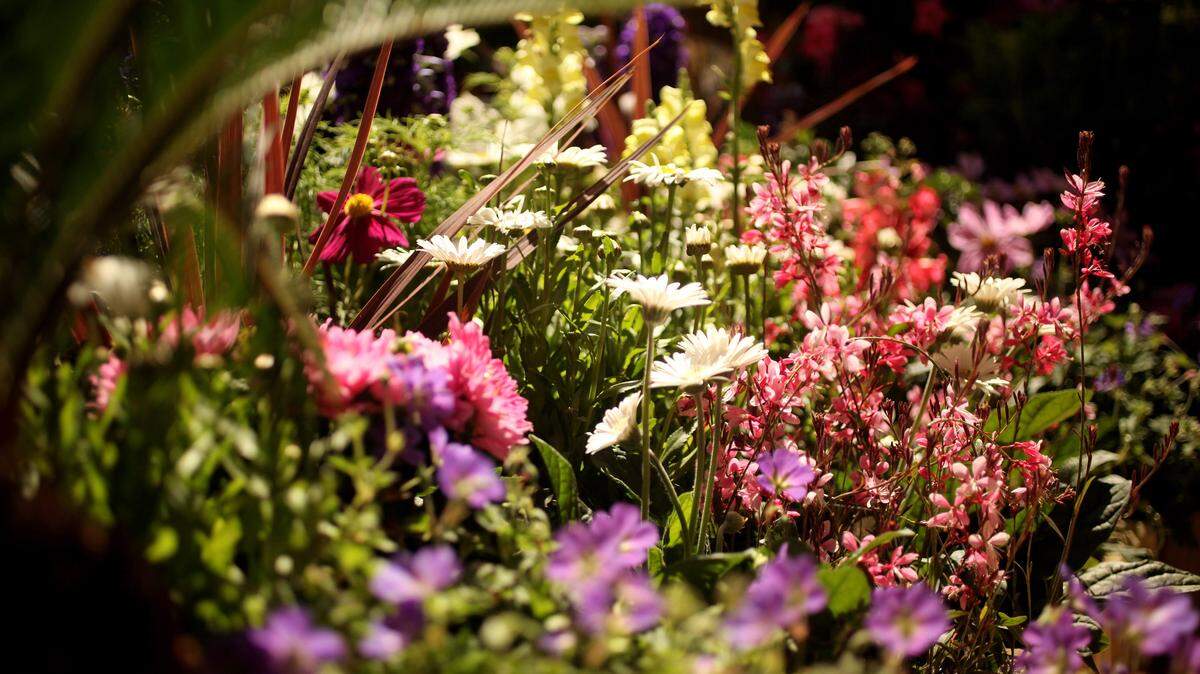
So you’ve got the keys, you’ve moved in and now you’re staring at a bare yard wondering where to even start. Here’s the good news: you don’t need a green thumb or a nursery-sized budget to grow a beautiful garden. You just need the right flowers — ones that practically want to succeed even when you have no idea what you’re doing.
Here are six beginner-friendly flowers that can handle a little neglect, thrive with basic care and look stunning while doing it.
Know When to Plant What
Before you grab a single seed packet, it helps to understand when different types of flowers go in the ground. According to Crop Care, the timing depends on what you’re planting:
“Perennial: Depending on the type of perennial flower you are planting, you can expect to plant these flowers indoors six to 10 weeks before the last frost, and outdoors either on the last spring frost date or one to two weeks after.
Annual: Annuals tend to be quick growers, so you’ll usually plant these seeds indoors anywhere from three to eight weeks before the last frost, and outdoors on the day of the last frost.
Spring bulbs: Spring bulbs bloom into flowers like daffodils and tulips that last only from early spring to early summer. These flowers should be planted in the fall, a few weeks before the first frost in order to bloom the following spring.
Summer bulbs: Summer bulbs bloom in early summer and last until early fall. These flowers, like dahlias and cannas, should be planted in the spring a few weeks after the last frost.”
That might sound like a lot, but most of the flowers on this list are annuals — meaning they’re quick growers you can start without overthinking the calendar.
Zinnias: The Best Place to Start
Zinnias grow quickly from seed — often blooming in just weeks — and produce tons of bright, long-lasting flowers. They’re one of the easiest flowers to grow from seed directly in the ground, which means you don’t need to deal with indoor starting or any complicated setup.
They’re also very forgiving of beginner mistakes, so if you overwater or underwater a bit, they’ll likely pull through. As a bonus, zinnias attract butterflies and pollinators to your new yard.
Nasturtiums: They Thrive on Neglect
Here’s a flower that actually prefers poor soil, which means less work for you. Nasturtiums are fast-growing and easy from seed, making them another great budget-friendly pick. They need moderate watering, do well in full sun to partial shade and require no fertilizer. In fact, too much fertilizer actually reduces their blooms.
Marigolds: Tough as Nails
Marigolds are extremely hardy and adaptable to different conditions — exactly what you want when you’re still learning. They bloom consistently with very little effort and tolerate heat, sun and occasional neglect. They also naturally repel pests, making them a great companion if you’re thinking about starting a vegetable garden.
Give them full sun and light, consistent watering while avoiding soggy soil. Average, well-drained soil works perfectly — no need to overthink it. Deadheading spent blooms helps encourage new ones, but it’s not required.
Petunias: Perfect for Small Spaces
Don’t have a sprawling backyard? Petunias work well in containers or garden beds, making them ideal for patios, balconies or small outdoor spaces. They bloom continuously through spring and summer and are very forgiving if you miss a watering. Give them full sun and regular watering, and they’ll reward you with color for months.
Sunflowers: Big Impact, Low Effort
Nothing says “I have a garden now” quite like sunflowers. According to HGTV, “Sunflowers are sun worshipers that grow best in spots that get six to eight hours of direct sun per day. They have long tap roots that need to go several feet into the ground, so sunflower plants prefer loose, well-drained, somewhat alkaline soil with a pH of 6.0 to 7.5. Sunflowers are heavy feeders, so they’ll be healthiest and generate the most blooms in nutrient-rich soil that has had compost or other organic matter mixed into it.”
Globe Amaranth: Set It and Forget It
If you want a flower you can practically ignore, globe amaranth is your pick. It’s extremely drought-tolerant once established and handles heat better than many flowers. The blooms are long-lasting and even work well for drying if you want to bring some color indoors.
It needs full sun, minimal watering once established and well-drained soil. That’s the whole list.
Your Yard, Your Pace
Starting a garden as a new homeowner doesn’t need to be intimidating or expensive. Any of these six flowers will give you a real shot at success — even if you’ve never planted a single thing in your life. Pick one or two that sound appealing, grab a packet of seeds and see what happens. You might surprise yourself.
This article was created by content specialists using various tools, including AI.