
How to Declutter and Organize Your Entryway This Spring for a Cleaner Home
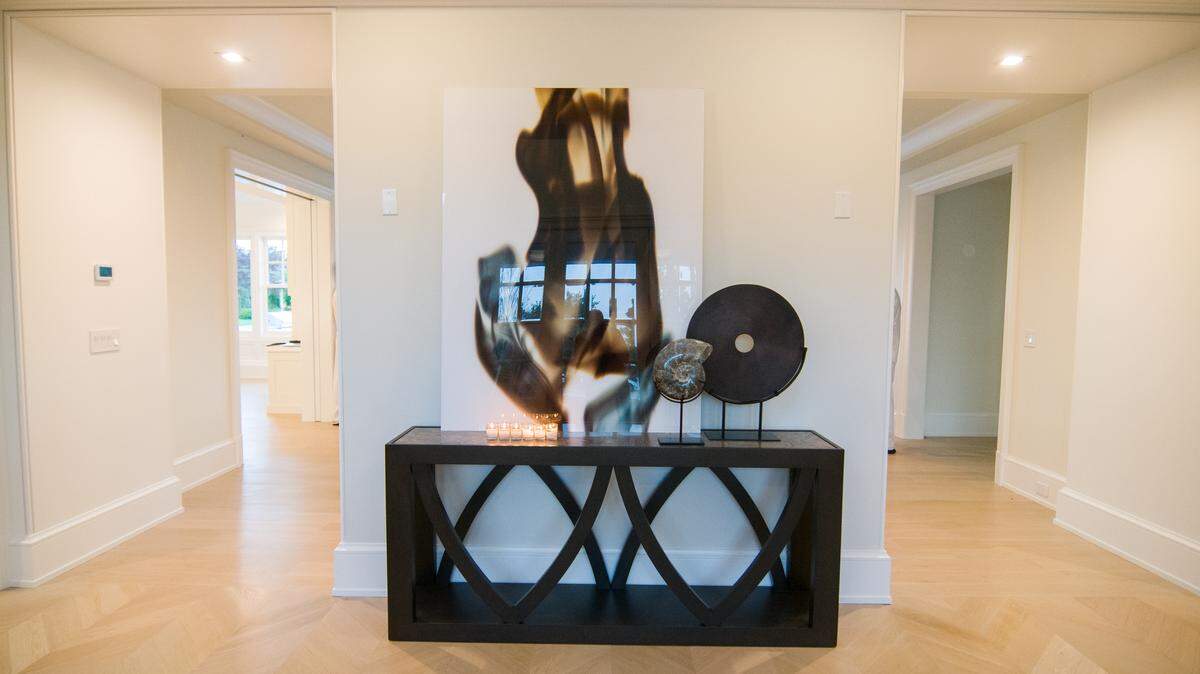
Spring cleaning tends to start in closets, kitchens or bathrooms. But the space that shapes your daily mood before you even leave the house? That narrow stretch right inside your front door.
The entryway reset is a focused approach to decluttering and redesigning the first space you touch every day. It treats your entryway as a high-traffic zone that deserves the same intentional design as a kitchen or living room, with functional stations for everything from keys to shoes to mail.
The logic is straightforward: your entryway absorbs more daily friction than almost any other spot in your home. Coats pile up. Shoes scatter. Mail stacks grow. A reset strips the space back to zero, then rebuilds it around how you actually move through your day.
Clear everything out first
The first step sounds aggressive, but it works. Remove everything from the space. Everything. Then sort what you’ve pulled out into four categories: keep, donate, toss and relocate.
A useful decision rule here: if you didn’t use it this winter, reconsider whether it belongs. That scarf you forgot about since November, the boots that sat untouched for three months — those are candidates for donation or storage elsewhere.
This full clear-out creates a blank canvas. You can see the space for what it actually is, without visual clutter clouding your judgment about what belongs there.
Deep clean before you rebuild
With the entryway empty, clean it thoroughly. Vacuum and mop the floors. Shake out any rugs. Wipe down baseboards, doors and handles. Clean mirrors, light fixtures and walls.
A small finishing touch can shift how the whole space feels: adding a fresh scent creates an instant reset sensation when you walk through the door. This step takes minutes but changes the experience of entering your home.
Swap your seasonal gear
One of the simplest upgrades is rotating what lives in the entryway based on the season. Store heavy coats, boots and cold-weather gear. Rotate in lighter jackets, sneakers and umbrellas. Use bins or baskets for off-season storage so bulky winter items aren’t eating up prime real estate through April and May.
This seasonal swap does two things at once. It frees up physical space and makes the items you actually need right now easier to grab on your way out.
Build functional zones
Here’s where the reset gets strategic. Instead of treating the entryway as one catch-all dumping ground, divide it into distinct zones based on what you reach for most:
- A drop zone for keys, wallet and sunglasses
- A shoe zone with a rack, tray or basket
- A bag zone using hooks or a designated shelf
- A mail zone with a sorter to prevent paper clutter
Each zone has a single job. When everything has a home, the daily scramble to find your keys or dig out a pair of shoes disappears.
Rethink the lighting
Lighting is an overlooked element of entryway design that can change how the space functions throughout the day. According to Merry Maids: “Because an entryway is at the very front of your home, it already gets natural light first thing in the morning. However, your entryway can become a proverbial cave as the morning turns into afternoon and evening. Recessed lighting gives the illusion of natural light, illuminating your entryway all day and night if you so choose.
A less invasive and quick option is to incorporate a table lamp that gives off soft light in the evenings for a more welcoming feel to the space. Not only are you adding more light, but you’re also creating visual appeal and drawing the eye to interesting design elements.”
A table lamp is a low-commitment option that adds warmth without any installation.
Add a seat (it does more than you’d think)
Suzanne Ennis at Houzz points to seating as a functional and design win: “Adding a bench, small chair or stool near your shoe rack makes putting on and taking off shoes much easier — especially for anyone with balance or flexibility challenges. It’s also a perfect opportunity to add panache to your entryway.
Give an existing entry seat a whole new look by reupholstering or repainting it. A new cushion or even a throw pillow that coordinates with your rug can add comfort and style.”
You don’t need to buy new furniture. Repainting or reupholstering something you already own refreshes the look without the cost.
How to put this into action
The full reset can happen in a single afternoon. Start by blocking out two to four hours. Clear the space, clean it and then rebuild with your zones in mind. If you’re working with a tight entryway, prioritize the drop zone and shoe zone first — those handle the highest daily volume.
For anyone who walks through their front door feeling like they’re stepping into chaos rather than calm, this reset reframes the entryway as a space worth designing with intention. The payoff shows up every morning when you grab your keys from exactly where you left them and walk out the door without a single frantic search.
This article was created by content specialists using various tools, including AI.