
A Low-Effort Guide to Growing the Easiest, Freshest Vegetables at Any Age
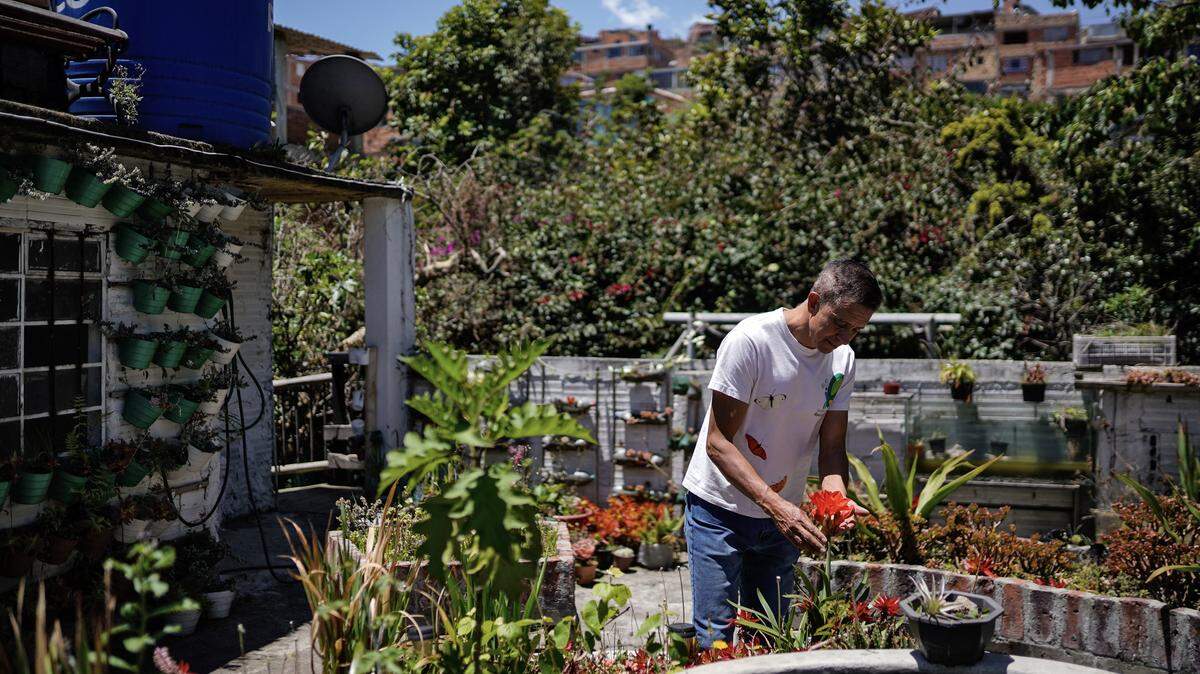
Whether you’ve recently stepped back from the daily grind or you’re counting down the months until retirement, there’s one investment that pays reliable dividends with remarkably low risk: a home vegetable garden. You don’t need acres of land, and you don’t need to become a master gardener. You just need the right vegetables and a few smart decisions upfront.
Whether you have a backyard or just a few containers on a patio or balcony, choosing the right vegetables can make all the difference between a frustrating experiment and a genuinely rewarding routine.
Start With the Easiest Wins
Some of the easiest vegetables to grow include lettuce, spinach, radishes, green beans, and zucchini. Each of these delivers results quickly and requires minimal fuss, which matters when you’re looking for a hobby that enriches your day rather than adding stress to it.
Lettuce is especially beginner-friendly because it grows quickly, doesn’t require much space, and can be harvested continuously. As Preen writes, “Unlike head lettuces that take longer to grow, leaf lettuces grow to a harvestable size in a few weeks. That means less time for anything to go wrong. And you can keep cutting new leaves until the heat starts turning them bitter.”
That quick turnaround is one of the most satisfying things about leaf lettuce — you’ll see real results in weeks, not months, and the continuous harvest means fresh greens on your table throughout the growing season.
Spinach is another great option, thriving in cooler weather and growing fast. For health-conscious adults, having fresh spinach steps away from the kitchen is a practical way to incorporate nutrient-rich greens into daily meals. Radishes, meanwhile, are one of the quickest crops, often ready in just three to four weeks.
High Reward, Low Maintenance
Green beans and zucchini are also top choices for easy gardening. Green beans are low maintenance and highly productive, while zucchini plants are known for producing an abundance of vegetables once they get going — often more than you expect.
For those looking for low-effort, high-reward vegetables, cherry tomatoes, peppers, and cucumbers are excellent picks. Cherry tomatoes are more forgiving than larger varieties and tend to produce reliably. Peppers do especially well in warm weather and can thrive in containers, while cucumbers grow quickly, especially when given a trellis or something to climb.
Bonnie Plants writes, “Cucumbers grow fast and don’t demand a lot of care. Just keep the soil consistently moist with an inch of water per week (more if temperatures sizzle and rain is scarce). If possible, water your cucumbers with a soaker hose or drip irrigation to keep the foliage dry. This helps prevent leaf diseases that can ruin the plant.”
These crops reward consistency, not perfection — a little daily attention goes a long way. That makes them especially well-suited to anyone who has the time to check on a garden each morning but doesn’t want it to become a second job.
Container Gardening: Perfect for Smaller Spaces
Not everyone has a sprawling backyard, and many people in their 60s have downsized or simply prefer not to manage a large plot. Container gardening is a great solution for those with limited space.
Herbs like basil, mint, and parsley are incredibly easy to grow and add fresh flavor to your meals. Even a small balcony or sunny windowsill can support a few pots of herbs that elevate everyday cooking.
Green onions are another simple option — you can even regrow them from kitchen scraps. Preen also notes, “This is one of the few crops that animal pests generally let alone. In fact, anything in the onion family is good in that regard – leeks, shallots, garlic, and chives as well as the more familiar yellow, white, or red onion bulbs. Plant onions from little baby bulbs called ‘sets’ in early spring (or fall in southern climates), and they mature in about three months with very little care.”
Carrots also work well in containers, as long as the pot is deep enough to support their growth. A deep planter on a deck or patio is all you need to produce fresh carrots at home.
Practical Tips to Get It Right the First Time
No matter what you choose to plant, a few basic gardening tips will set you up for success. Think of these as the fundamentals — getting them right from the start prevents compounding problems later.
Find the right spot. Most vegetables need at least six to eight hours of sunlight each day. If your space is shadier, stick with crops like lettuce or spinach that can tolerate less light.
Don’t overwater. This is one of the most common mistakes new gardeners make. Water deeply but less often, keeping the soil damp but not soggy. In many cases, overwatering can harm plants more than underwatering.
Use good soil. Healthy soil leads to healthy plants, so opt for a quality potting mix for containers and consider adding compost for extra nutrients. This is one area where a small upfront investment makes a meaningful difference in your results.
Start small. Focus on just a few vegetables at first, such as zucchini, green beans, lettuce, or cherry tomatoes, so you don’t become overwhelmed. You can always expand next season once you know what works in your specific space and climate.
Give your plants enough space. Crowding can lead to poor growth and increase the risk of disease, so always follow spacing guidelines — even if it feels like you’re leaving too much room. Proper spacing is one of those details that’s easy to overlook but makes a noticeable difference in how well your garden performs.
A Simple, Rewarding Pursuit
With the right approach, growing your own vegetables can be simple, rewarding, and enjoyable no matter where you live. You don’t need to become an expert. You just need to make a few smart choices upfront, pay attention to the basics, and let nature do most of the work.
This article was created by content specialists using various tools, including AI.
This story was originally published March 23, 2026 at 5:34 PM.