Invasive Species Are Costing the U.S. Billions — and Eating Them Is the Surprising Fix
If you’ve ever had feral hogs rip through your favorite hunting land or pulled a snakehead out of a waterway where it had no business being, you already know the frustration invasive species cause.
Now, the federal government is officially backing what many outdoorsmen have been doing for years: taking these nuisance animals out — and putting them on the dinner table.
The U.S. Fish and Wildlife Service (FWS) is actively encouraging Americans to hunt, trap, and eat invasive species as a hands-on conservation tool. If you’re the kind of person who’d rather solve a problem with a rifle, a rod, or a trap than wait around for a bureaucratic fix, this is your green light.
“Eating invasive species can help protect native animals and plants. By hunting, trapping, and eating these invaders, we can reduce their numbers and the harm they cause,” the FWS wrote in a 2025 article.
The agency has even assembled a hit list of species it wants on your plate. And the cooking suggestions? They’re actually pretty solid.
The Damage These Invaders Are Doing
Before you head out, here’s the big picture on why this matters beyond your own backyard.
According to the U.S. Department of Agriculture, “invasive species have cost North America $2 billion per year in the early 1960s to over $26 billion per year since 2010.”
Globally, it is estimated that the economic cost of invasive species has been $1.288 trillion over the past 50 years. That’s not just an abstract number — it’s torn-up farmland, collapsed fisheries, and degraded habitat that affects every hunter and angler who depends on healthy ecosystems.
The good news? You can directly help solve the problem, one meal at a time.
Nutria (Swamp Rats)
Gulf Coast, Atlantic Coast, Pacific Northwest
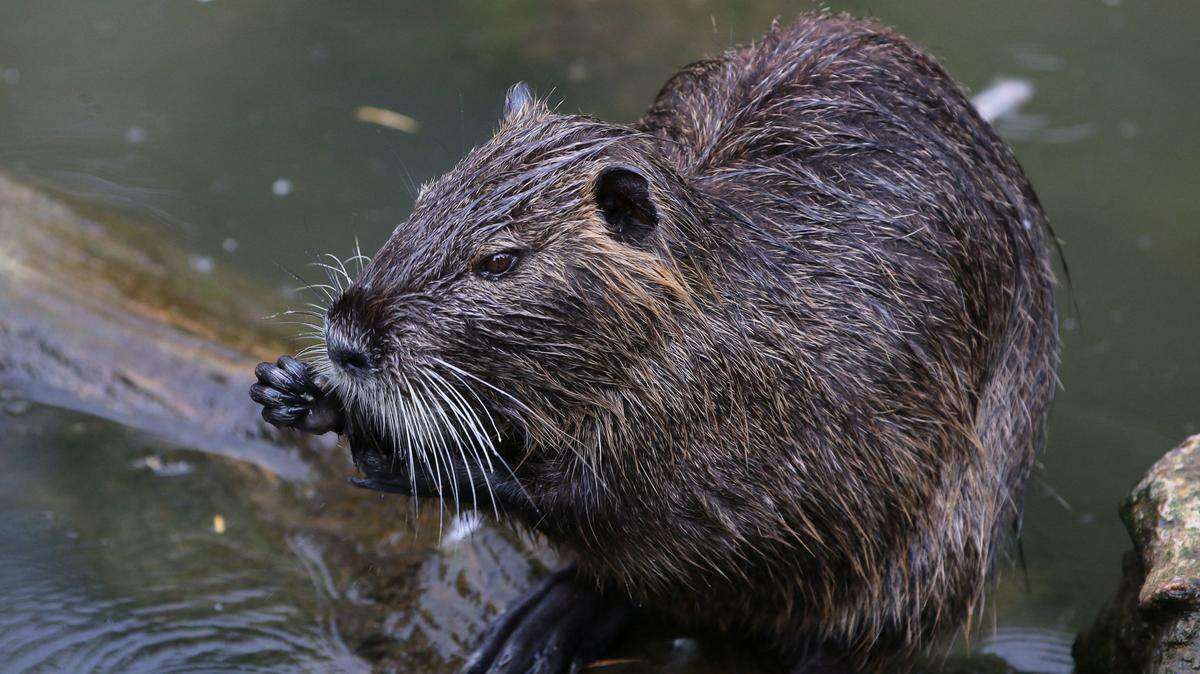
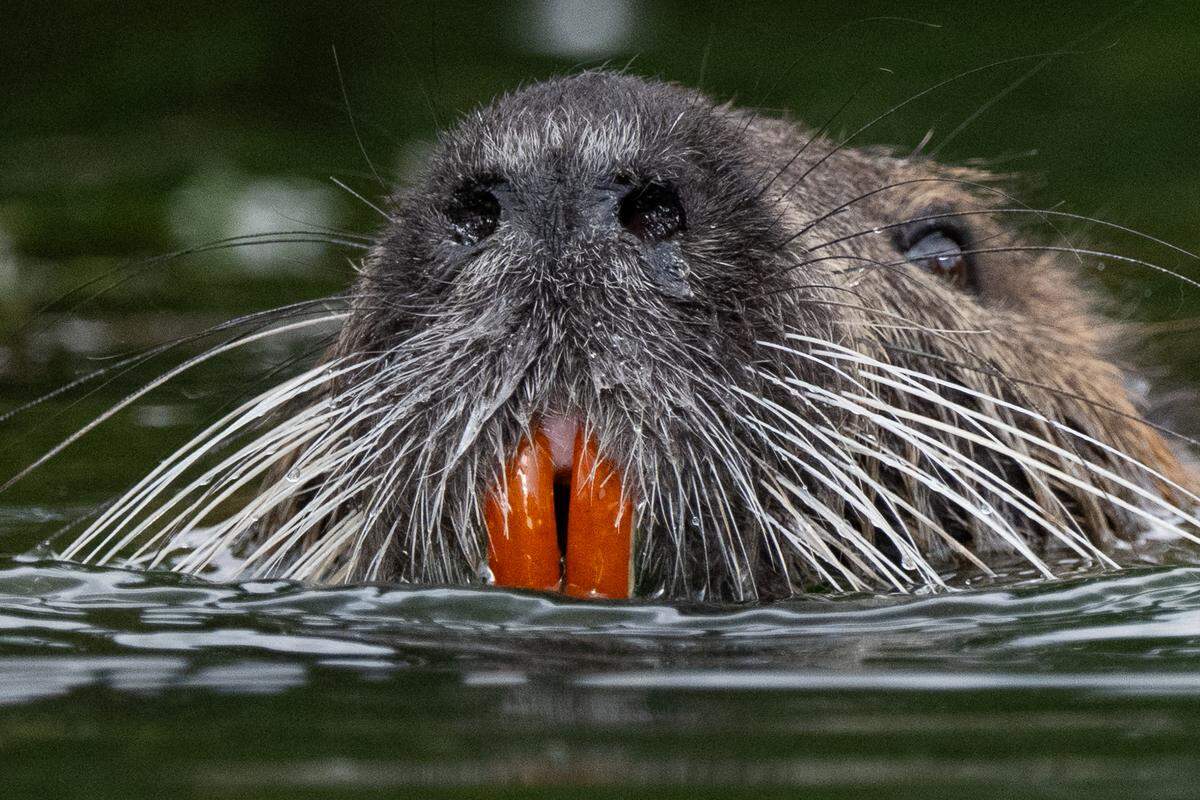
First on the FWS list is the nutria, also known as swamp rats.
The FWS describes nutria as “oversized, wetland-loving rodents” native to South America that are devouring marshlands along the Gulf of America Coast, Atlantic Coast, and Pacific Northwest.
Their suggestion for the kitchen? Cook yourself up a bowl of nutria gumbo. “Their meat is lean, mild, and tastes like rabbit,” the FWS adds.
For anyone who’s enjoyed rabbit stew over a campfire, nutria could be your next wild protein challenge.
Northern Snakehead
Mid-Atlantic and Southeastern Waterways
Anglers in the Mid-Atlantic and Southeast, this one’s for you.
The northern snakehead is an invasive, predatory freshwater fish native to Asia that has been showing up in waterways across the region. Their ability to spend several days out of water allows them to wiggle their way across land into new freshwater habitats — making them particularly aggressive spreaders.
But here’s the upside: “Luckily, they’re delicious with a firm, white, and flaky meat,” the FWS wrote in 2025.
The agency suggests grilling or frying the meat, adding that they make excellent fish tacos. If you’ve been catching and releasing these things, it’s time to rethink that approach. Keep it and cook it.
Silver Carp
Midwest and Southeast Rivers and Lakes
Can’t find northern snakehead meat? Then try the high-jumping silver carp — frequently seen in Midwest and Southeast rivers and lakes.
These are the fish famous for launching themselves out of the water, and they’re wreaking havoc on native fish populations in the process.
The FWS suggests trying them grilled, blackened, or turning them into crispy fish cakes because they’re “surprisingly tasty.”
For anyone with a smoker and some patience, silver carp could make for a solid afternoon cook.
Green Iguana
Florida and Warm Southern States
This one’s a change of pace. The FWS describes the green iguana as the “chicken of the trees” due to its mild flavor.
Green iguanas are native to Central and South America, but are currently eating native plants and destabilizing seawalls in Florida and other warm states.
The agency’s recommendation? Iguana stew. If you’re hunting in South Florida or the Keys, this is an increasingly common target — and evidently, a rewarding one at the table.
Feral Hogs and Wild Boar
Southeastern U.S., Texas, and California
This is the one most outdoorsmen have been waiting for.
Feral hogs and wild boar — native to Europe and Asia — are invasive across the Southeastern U.S., Texas, and California. They tear up farmland, forests, and wetlands and devour anything in their path.
If you’ve seen what a sounder of hogs can do to a food plot or a stretch of bottomland overnight, you know the destruction firsthand. But there’s a payoff at the end of the hunt.
“But there’s a silver lining because wild boar is some of the best-tasting invasive meat you can get,” the FWS writes, adding that the meat is “leaner and richer in flavor than store-bough pork.”
The meat makes a good smoked barbecue, hearty chili, burger, taco, or ragu over pasta. For anyone who already processes their own deer, adding wild boar to the rotation is a natural fit — and the FWS is actively encouraging it.
Hunting Tournaments, Derbies, and a Growing Movement
Eating invasive species, also known as “invasivorism,” is nothing new. The term was first coined in 2010 by New York Times journalist James Gorman.
Since then, many organizations have started to hold hunting tournaments and derbies to help deplete populations of invasive species. Some even partner with local diners to add the species to their menus.
For competitive hunters and anglers, these events offer a chance to put your skills to work for a real conservation purpose — and often come with prizes and bragging rights.
According to Eat the Invaders, a website created by University of Vermont conservation biologist Joe Roman, other invasive species worth eating include lionfish, garden snail, armored catfish, crayfish, and common carp.
The federal government isn’t just giving you permission to go after these species — it’s asking you to step up. And if you can turn it into smoked barbecue, gumbo, or fish tacos in the process? That’s a win all around.
This article was created by content specialists using various tools, including AI.
This story was originally published March 18, 2026 at 9:55 PM.