9 Kansas City neighborhood guides: Favorite spots from readers who call them home
By Kynala Phillips ,
Joseph Hernandez and
Natalie Wallington
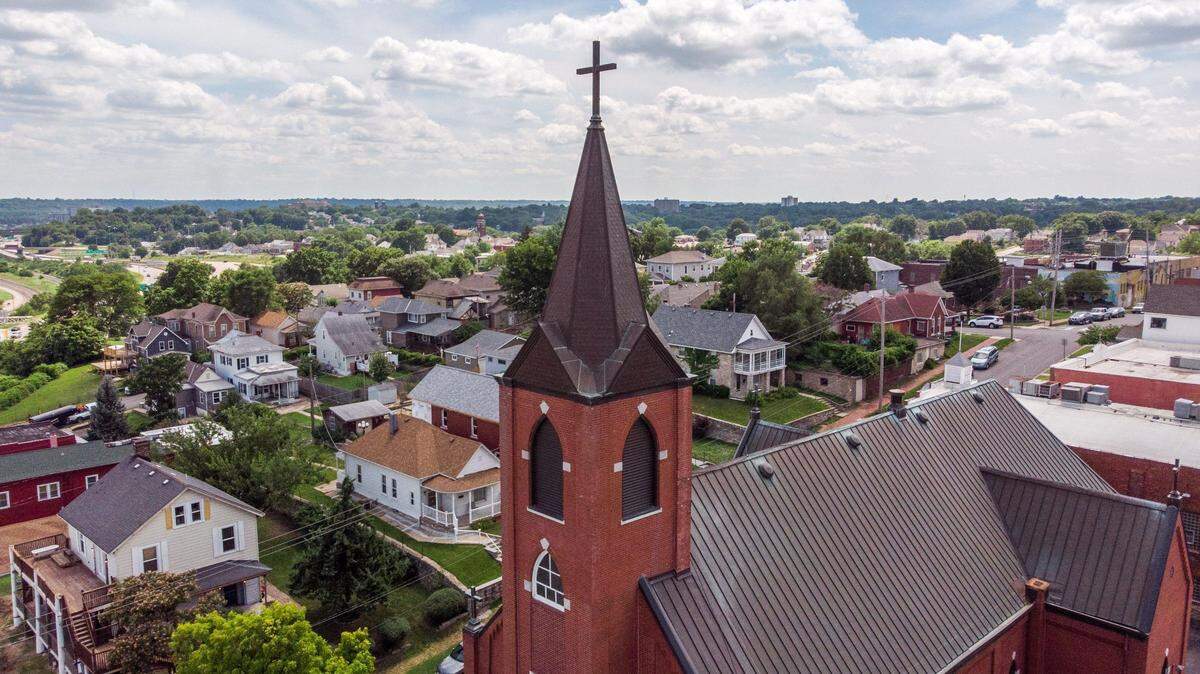
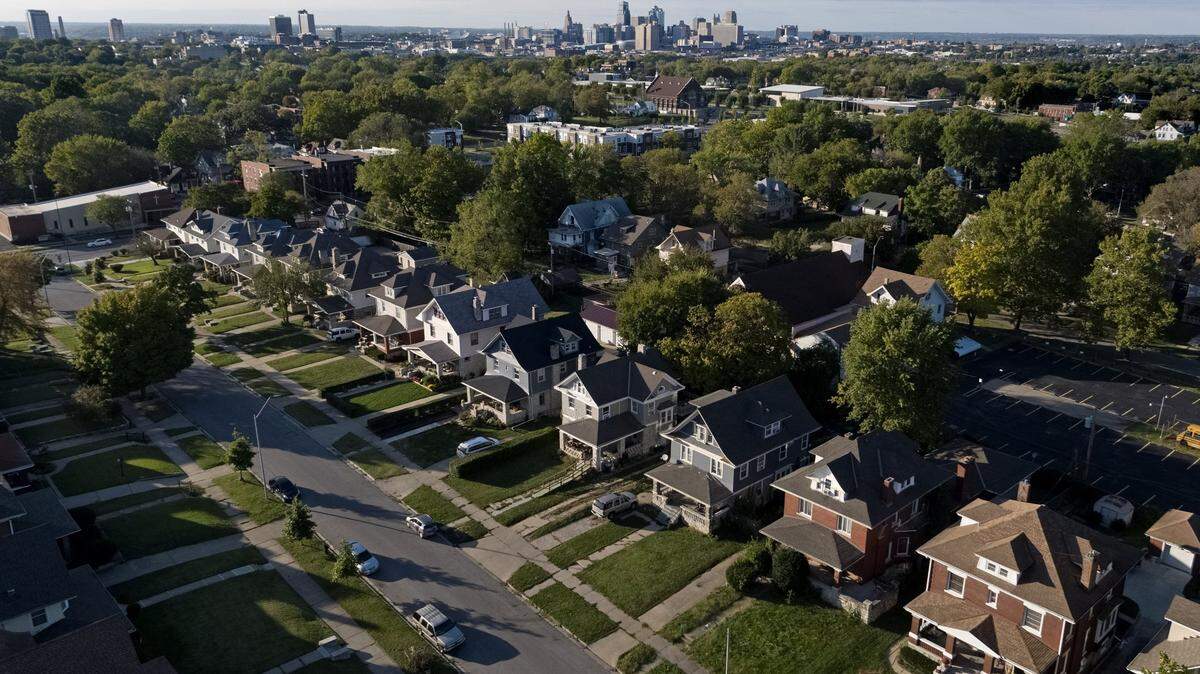
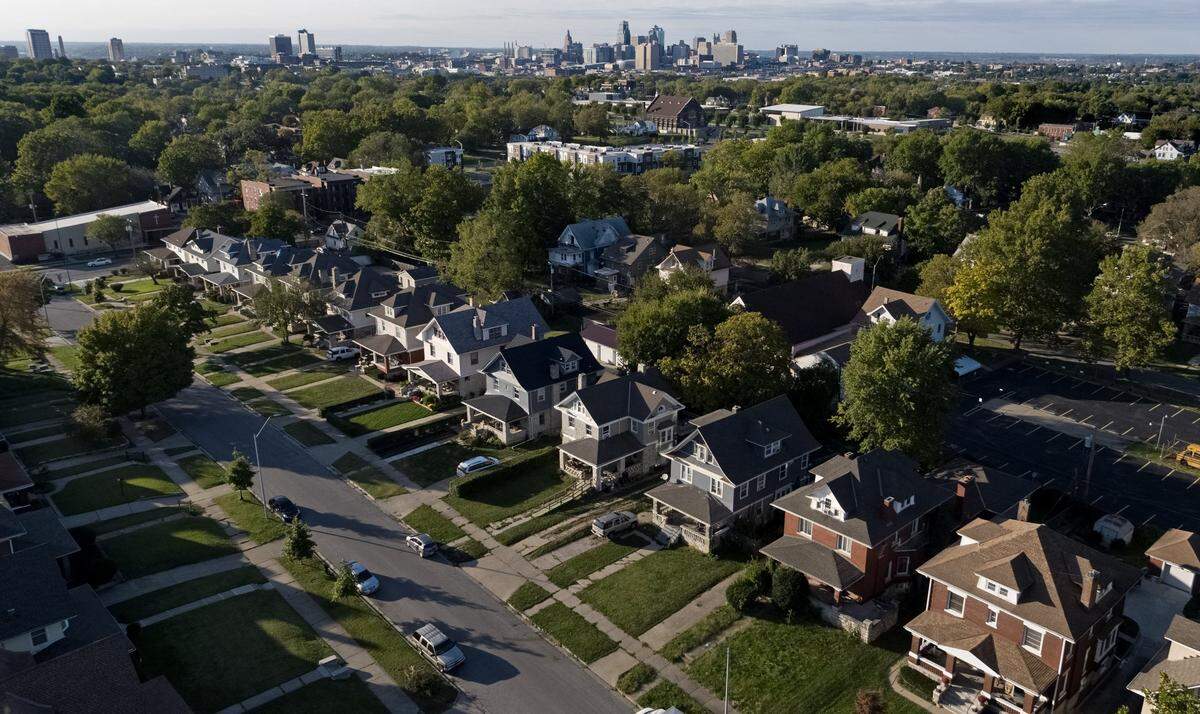
Aerial view of Victor Street, in the Santa Fe neighborhood on Kansas City’s east side.
Rich Sugg
rsugg@kcstar.com
READ MORE
City of Fountains Neighborhood Guides
Kansas City is home to more than 240 neighborhoods. They are almost like mini-cities that stand on their own, each with their own histories, things to do and unique vibes. These guides, shaped by recommendations from those who call each place home, will help you explore the city neighborhood by neighborhood. More are on their way, too.
Expand All
Spanning a state line and a river, the sprawling Kansas City metro contains too many neighborhoods to count. Each has its own history, places to hang out and intangible qualities — maybe more simply described as vibes — that make those who live there proud to call it home.
Maybe it’s the window seat at a cafe, that spot under the tree in the park, the generations that have lived there before you or the fact that you know your neighbors have your back — there is something iconic that makes your slice of Kansas City what it is.
Over the past few months, The Star’s service journalism team has heard from residents all over the city about what you love most in your neighborhoods. We’ve been working to create guides celebrating different corners of the metro based on recommendations that you’ve shared with us.
Below are nine guides to different neighborhoods around the city. Some you’ve maybe visited for years, others you may be less familiar with. Each makes up the fabric of our community.
And we’re not stopping here. Creating these guides of what you love about where you live and hang out will be an ongoing project.
So, keep letting us know: What are the classic go-tos, and what are the hidden gems in your neighborhood? You can email us at kcq@kcstar.com, or fill out the form in the QR code on the cover of today’s paper.
The float for Halos and Hogs, a SIDS awareness and prevention group, passes by the iconic Screenland Armour theater during the Snake Saturday Parade in North Kansas City on March 12. File Kansas City Star
Downtown North Kansas City combines industrial rail yards with shops, restaurants, bars and live music venues.
Its own municipality within Clay County, this city of only 4.6 square miles is different from “the Northland” and separate from the part of Kansas City itself that lies North of the Missouri River.
What to eat and drink:
Tay’s Burger Shack is a popular joint in a pint-sized location at the intersection of Linn St. and Armour Road.
Enjoy a glass of wine at Sail Away Wine, or check out the craft beer selection at Cinder Block Brewery. You can spend a happy hour or join a group bike ride at Velo Garage and Tap House.
If you can’t choose and want a variety to pick from, check out the Iron District, an outdoor collection of restaurants and other vendors housed in colorful shipping containers.
Things to do:
Company & Co. isn’t just about food — the space is also connected to a performance venue called the RINO, where you can find concerts, comedy shows and open mic nights.
North Kansas City is also home to Driftwood Ceramics, a pottery studio with events and classes for newbies or those looking to hone their skills.
The Snake Saturday Parade brings crowds of thousands to North Kansas City for celebrations of Irish culture, a barbecue contest, activities for kids, a chance for local nonprofits to raise awareness and more. Don’t be fooled by the name – no snakes are involved (or harmed) in the creation of this parade. Instead, it commemorates the legend of St. Patrick banishing snakes from Ireland.
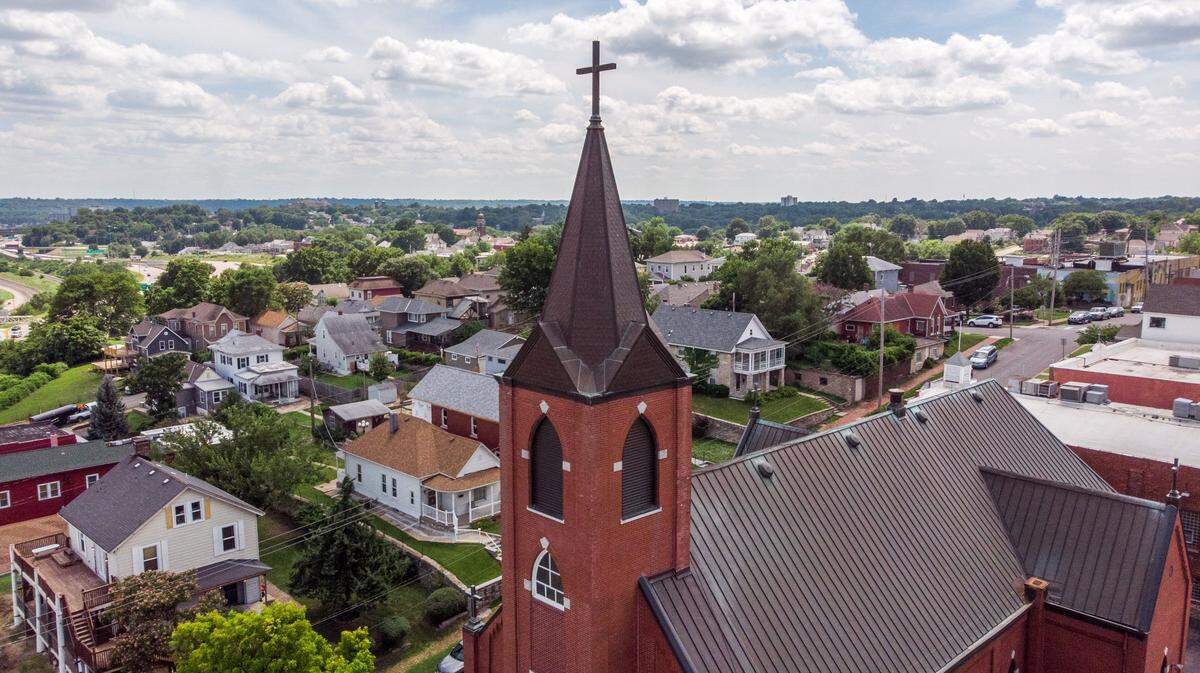
The Strawberry Hill neighborhood in Kansas City, Kansas, is known for its high steeples. St. John the Baptist Catholic Church at N. Fourth Street and Barnett Avenue is one example. Shelly Yang syang@kcstar.com
Strawberry Hill was founded in the early 1900s, when central and eastern European immigrants settled in the area, when a major flood forced residents to build their homes on the hill.
“Every other block there’s another church that kind of represents another ethnic community,” said Strawberry Hill Museum guide and former Strawberry Hill resident Bernadette Soptick.
“All of those people kind of settled around each other, or they had a common language or way of life. So they eventually built their churches,” Soptick said.
Today, there is a rich and vibrant Latino community in Strawberry Hill, and a slew of Latino-owned restaurants and other businesses. There are also new, innovative and community-oriented businesses on the hill.
“It’s like (a) small town within this community. We all kind of like to look out for each other,” said Crowley, founder of non-profit bar, music label and record store Manor Records, which sits at 401 N. 6th St. in Kansas City, Kansas.
Kinship Cafe is also a must try if you are looking for an inclusive coffee shop to work or relax in.
Must do:
Manor Records hosts live music multiple nights a week.
Or, check out Flagship Books, a neighborhood book store keeping Strawberry Hill well read.
Iconic neighborhood thing:
The views!
“The steeples are really just like an iconic viewpoint,” Crowley said. Another iconic view includes the view from St. John’s Park, which overlooks Kansas City’s skyline.
History tidbit:
Strawberry Hill was named after the wild strawberries that used to mark the neighborhood. There aren’t really any strawberries growing publicly, but Soptick said some neighbors still have strawberries that grow wild in their backyards.
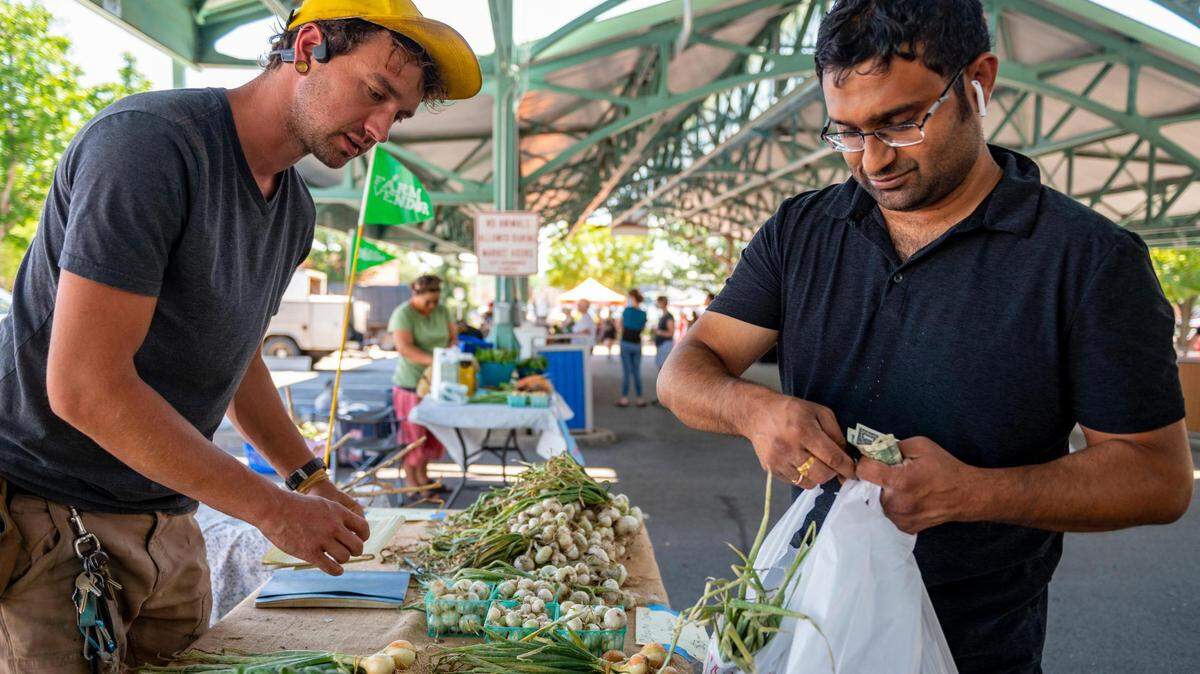
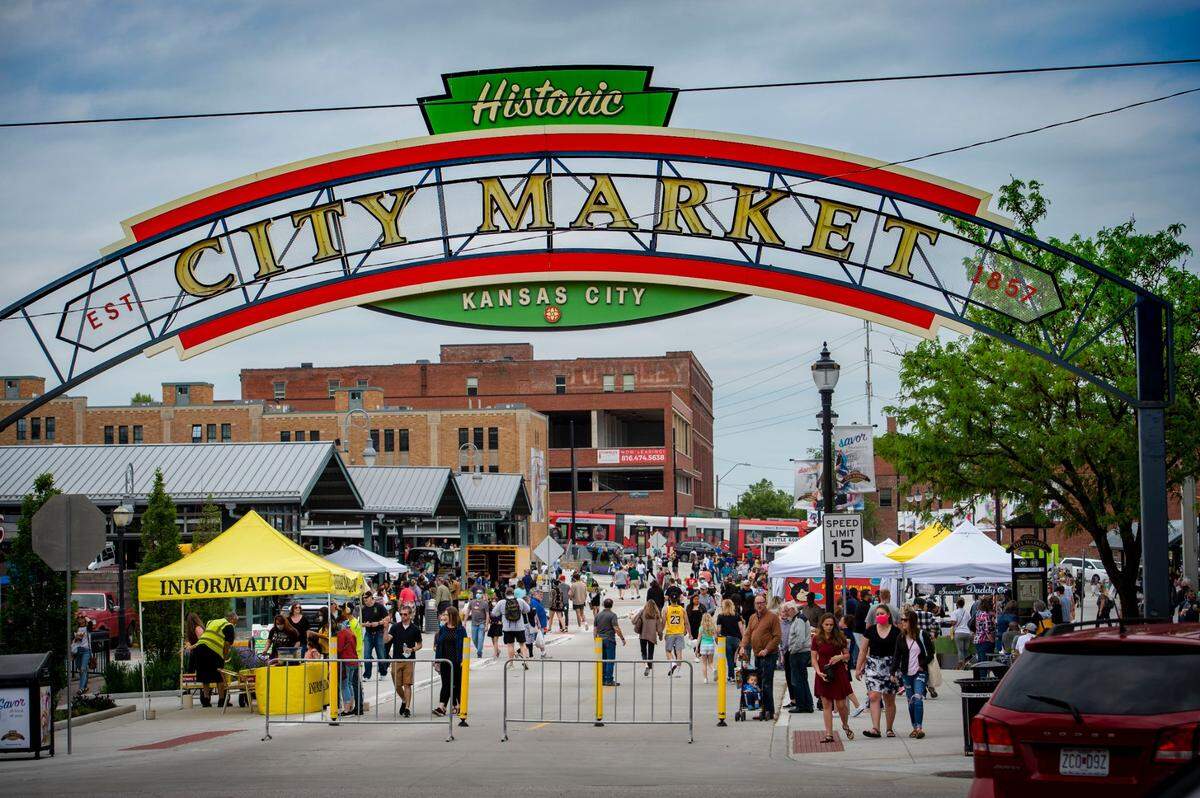
City Market in the River Market draws big crowds on spring and summer weekends. Tammy Ljungblad tljungblad@kcstar.com
When Teresa Lo thinks about the River Market of her childhood, she remembers farmers markets, Italian ice and the colossal steamboat Arabia wheel.
Most of all, Lo remembers helping her mother, Karen Lo, run the Chinatown Food Market.
Since 1995, the food market has been serving up specialty goods, welcoming people from all cultures and backgrounds to explore different flavors from around the world.
“We kind of became like a melting pot,” Lo said.
River Market has roots as far back as 1834 and has always been a place that has invited new commerce from unique traders who made the area into Kansas City’s first incorporated district. In 1978, the neighborhood was listed on the National Register of Historic Places.
“This was kind of the birthplace of the city,” River Market Neighborhood Association President Matt Staub said.
If you like pizza, make sure to check out Il Lazzarone Pizza, where there’s also a cozy, semi-secret bar in the back, according to Staub.
Teresa Lo suggests checking out Pho Nguyen for authentic Vietnamese dishes like pho and spring rolls.
Must do:
Spend a weekend browsing the 180 stalls at the City Market. The farmers market is open on Saturdays and Sundays, and Art Garden KC is set up on summer weekends as well.
When it’s colder out, get lost in the 30,000 square foot River Market Antiques Mall.
Lo said when her family visits, they often look forward to visiting the Arabia Steamboat Museum as well. The museum is full of nineteenth century artifacts and cargo that was salvaged from the Arabia Steamboat after it sank outside of Kansas City in 1856.
Known for:
River Market is best known for its architecture and for being pedestrian friendly, great for both walking and taking the streetcar.
Staub added that visitors should make sure to check out the Town of Kansas bridge overlooking the river during their walk.
Historical tidbit:
In the 1970s, the now River Market area was actually known as the River Quay, when the area had its run in with the Kansas City mafia.
The renaissance that led to the City Market that Kansas Citans know and love today began in the 1980s and 1990s, according to Staub.
“Now it’s a vibrant neighborhood,” Staub said. “It’s just been fun to continue to see that dream realized as the neighborhood continues to realize its potential.”
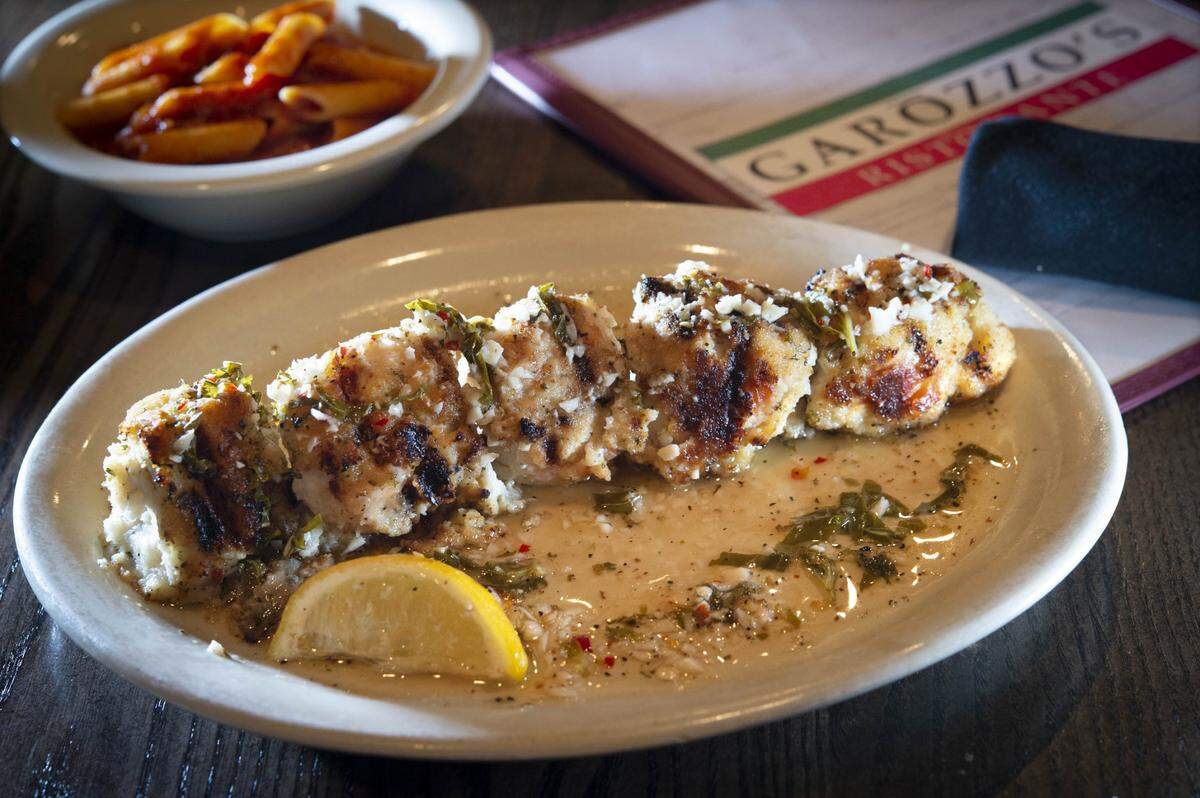
Garozzo’s in Columbus Park in the home of Chicken Spiedini. Tammy Ljungblad tljungblad@kcstar.com
Tucked just east of the River Market lies a vibrant, historic residential neighborhood and its namesake, Columbus Park.
This quiet area has been home to diverse communities of immigrants from Italy, Vietnam, Russia and Western Europe for generations. Before it was called Columbus Park, the neighborhood was a hub for Italian immigrants as early as the 1860s known as “The North End.”
Must eat or drink
Happy Gillis is the spot to go for brunch, while citywide favorite Vietnamese coffee shop Café Cà Phê just opened its brick and mortar location in the neighborhood. Residents told The Star that they love Vietnam Cafe’s pho and Garozzo’s old-school Italian fare.
Must do
Kansas City’s skaters flock to Columbus Park for the Harrison Street DIY skatepark. This spot was built by and for skaters on an empty city-owned lot starting in 2014. You’ll find people of all ages on skateboards, scooters and roller skates in this welcoming space. While the land it’s on is now for sale by the city, the park’s future remains uncertain.
Iconic neighborhood thing
The iconic Holy Rosary Church has been a neighborhood landmark and anchor since it was founded by Italian immigrants in 1891.
Columbus Park is also home to the Don Bosco Centers, a large nonprofit that provides meals and resources to seniors and other community members.
The Don Bosco Centers’ services were one reason why the neighborhood became a haven for refugees arriving to KC.
A bit of history:
History lives in the many families that have called Columbus Park home for multiple generations.
“Whole families lived within blocks of one another, and kids grew up with their aunts, uncles, cousins and grandparents (sometimes in the same household or at least on the same block),” new resident Torey Levine told The Star. “So far what intrigues me the most is the family histories here.”
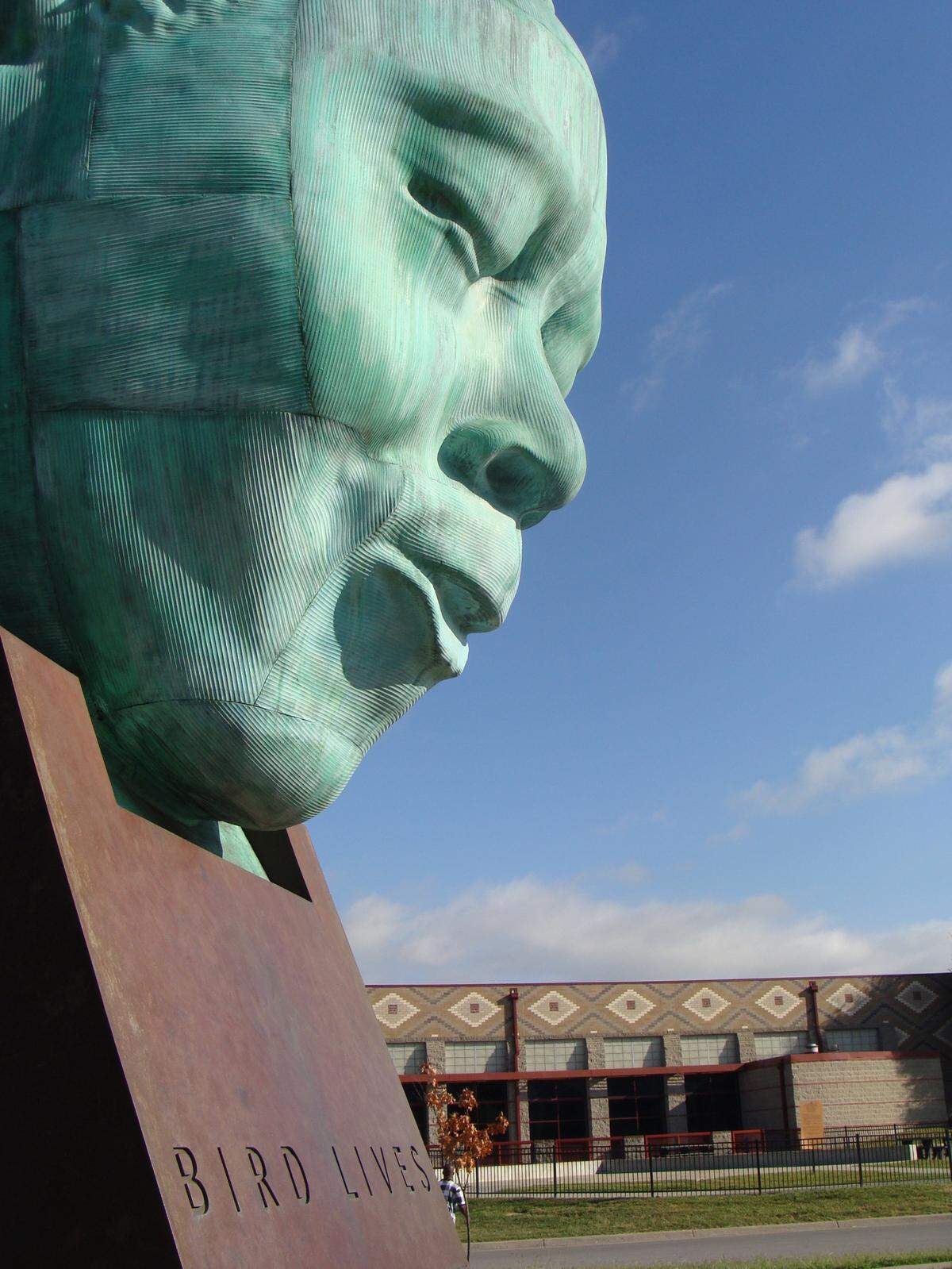
The sculpture “Bird Lives” in the 18th and Vine Jazz District is a tribute to Charlie “Bird” Parker, who reinvented jazz music when he played in local clubs in Kansas City. File Kansas City Star
From late night jazz sessions after a night out to historic landmarks, the 18th and Vine District is a neighborhood full of African American heritage. The neighborhood spans east to west from Indiana Avenue to The Paseo and north to south from about 14th street to 19th street.
“The 18th and Vine neighborhood acted as a city within the city in Kansas City, especially for the Black and African American community,” said James McGee, community partnerships director at the American Jazz Museum. “It was a socio-economic area that allowed for the growth of Black culture.”
In the early 1900s, Black Kansas Citians were prohibited from living south of 27th Street, which prompted many Black Americans to live further north. As people settled in and the community grew, the 18th and Vine corridor became a self-sufficient hub for more than 600 businesses of all kinds.
The neighborhood continues to provide the same live music, food and vibes that first attracted people to the district during the 20th century.
“If you think about Black culture, 18th and Vine embodies it from the younger folks to the older people, from the flashy to the more subtle, from the minimal to the extreme flamboyant,” said Simeon Taylor, a local poet who has hosted an open mic in the neighborhood for the last 12 years.
Must eat or drink:
Aside from being a historic jazz district, 18th and Vine is also a dining district, with a number of popular restaurants. If you’re swinging by make sure you visit Soiree Steak & Oyster House for steaks and seafood, Smaxx Restaurant for chicken, hamburgers and sandwiches, Velvet Freeze for New Orleans style daiquiris or The Kansas City Juke House for live music and southern style bar food.
If you’re looking for some classic Kansas City barbeque, you can also visit Arthur Bryant’s Barbeque.
McGee also suggests that everyone visit the Charlie “Bird” Parker statue on 18th and Vine streets. Parker is a Kansas City Jazz legend and saxophonist who helped create the sub-genre of jazz known as bebop in the 1940s.
What it’s known for:
“As they say, jazz was born in New Orleans, and it grew up in Kansas City,” McGee said. “When jazz arrived in Kansas City, it transcended the previous form.”
You can still catch a nice jazz performance in 18th and Vine by visiting the Mutual Musicians Foundation, where there’s a bar and lounge that hosts night owl jam sessions on Fridays and Saturdays from midnight to sunrise, every week.
The Blue Room, which is housed in the American Jazz Museum, is another jazz club to check out in the district. The Blue Room is open on Monday, Thursday, Friday and Saturdays.
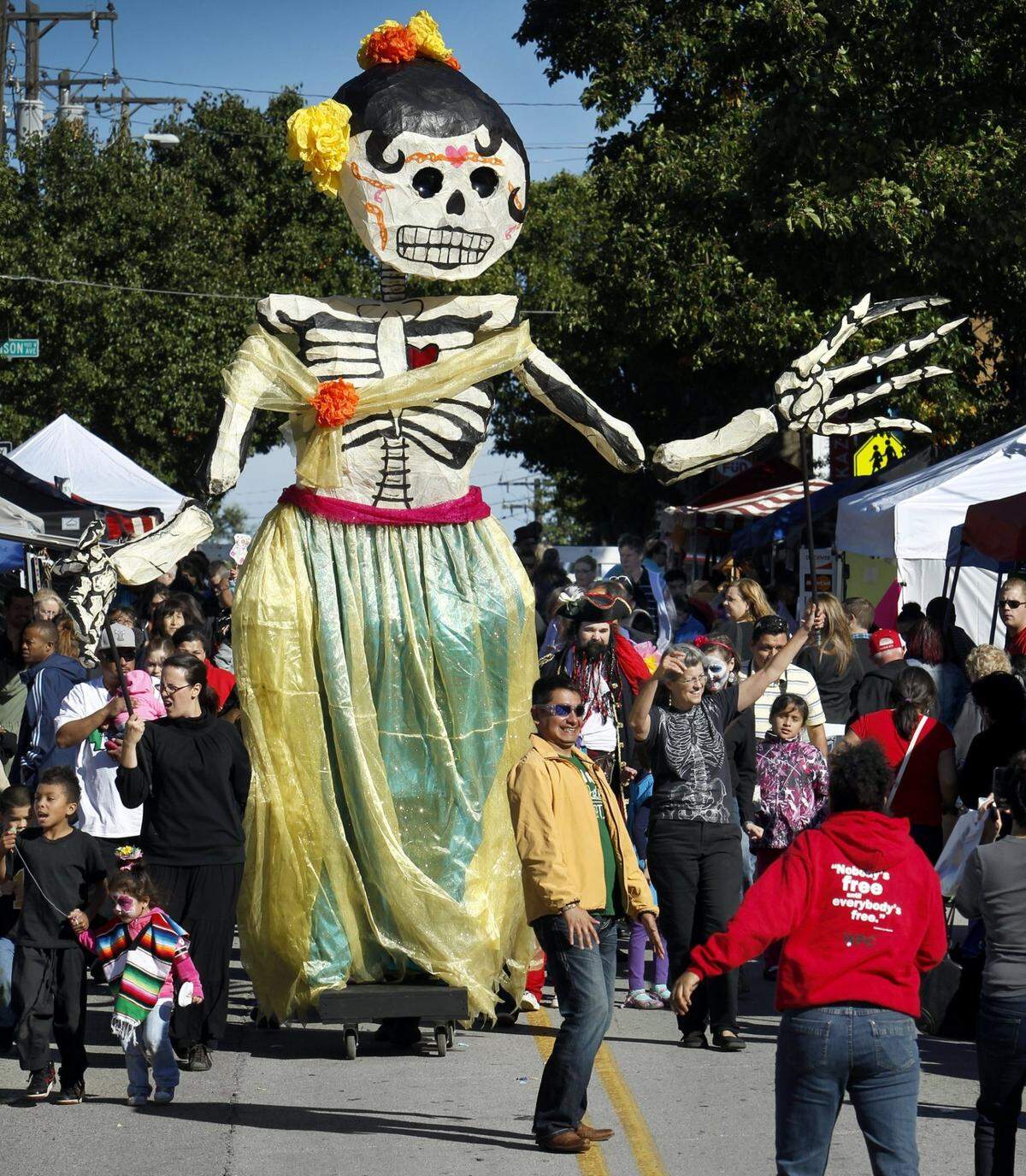
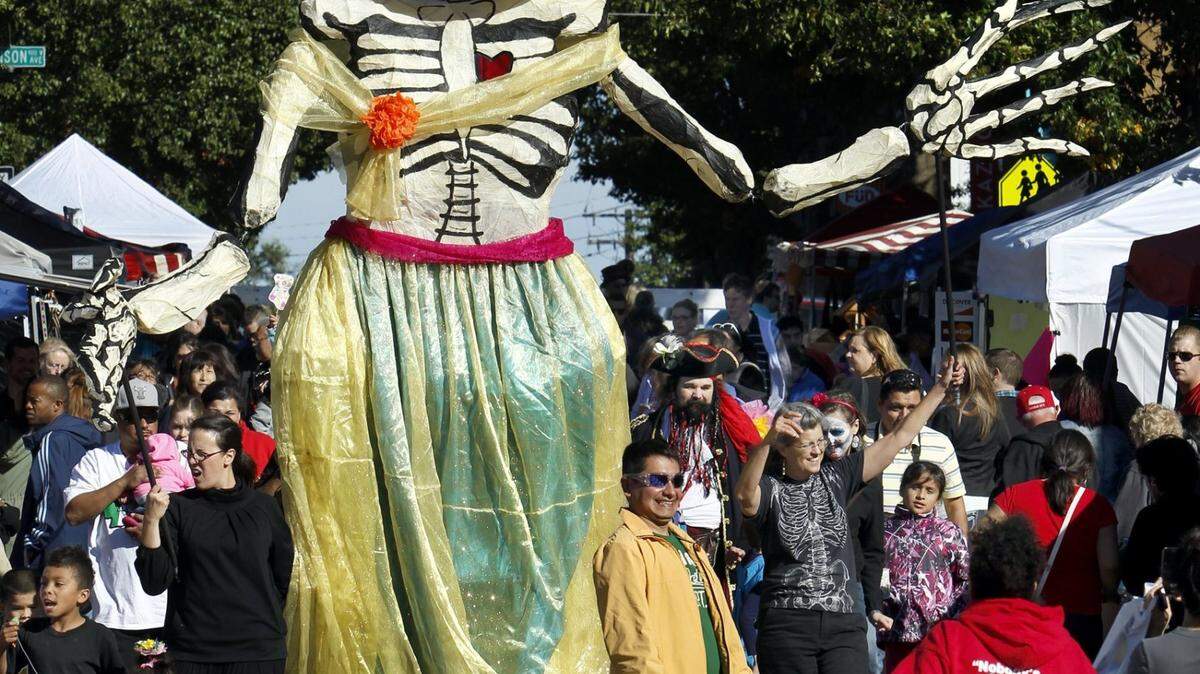
The Mattie Rhodes Center celebrates a Day of the Dead Festival in the Westside neighborhood. Dead Betty, a puppet created by the StoneLion Puppet Theatre, led the sugar skull parade. File Kansas City Star
When Jose Luis Valdez moved to Kansas City’s Westside with his family 18 years ago, the neighborhood stuck out to him because of the large Mexican population. After learning how to make traditional Mexican ice cream, he opened up his shop Palacana (formerly called Palaterias Tropicana) and made the neighborhood home.
The Westside sits perched on a hilltop right by I-35. A gateway to downtown Kansas City and the Crossroads, the multicultural neighborhood is filled with gems, some that have been there for years and some that are brand new to the scene.
A hotspot for the Hispanic community for over a century, the Westside is growing beyond its little village, as Valdez put it.
“It feels like a little piece of Mexico here,” says Los Tules owner Salvador Tule.
If you go further down Summit Street, you’ll have Westside classics like Los Tules and newer favorites like:
Blue Bird Bistro, an organic and all-natural restaurant serving everything from breakfast favorites to dinner classics
The Westside Local, one of the highest-rated restaurants in Kansas City according to Zagat. The farm-to-table restaurant serves sandwiches, desserts and an endless supply of beer.
Since its inception in 1919, the Guadalupe Center has provided social services to the Hispanic community and fostered the community needed for Hispanic Kansas Citians to feel at home.
Sandra Enriquez, a professor at UMKC, told The Star that people of Mexican descent were often denied access to hospitals and schools, and that places like the Guadalupe Center would step in and provide those services.
History tidbit:
The Westside was one of the central locations where Hispanics migrated to in Kansas City after the Mexican Revolution. The neighborhood was a Swedish hub, but as they moved out, people of Mexican descent started to move in because of how close it was to the industrial areas, and because they could afford to live there.
Many Mexican immigrants moved to the Westside to work on the railroad or in the meatpacking houses in the West Bottoms.
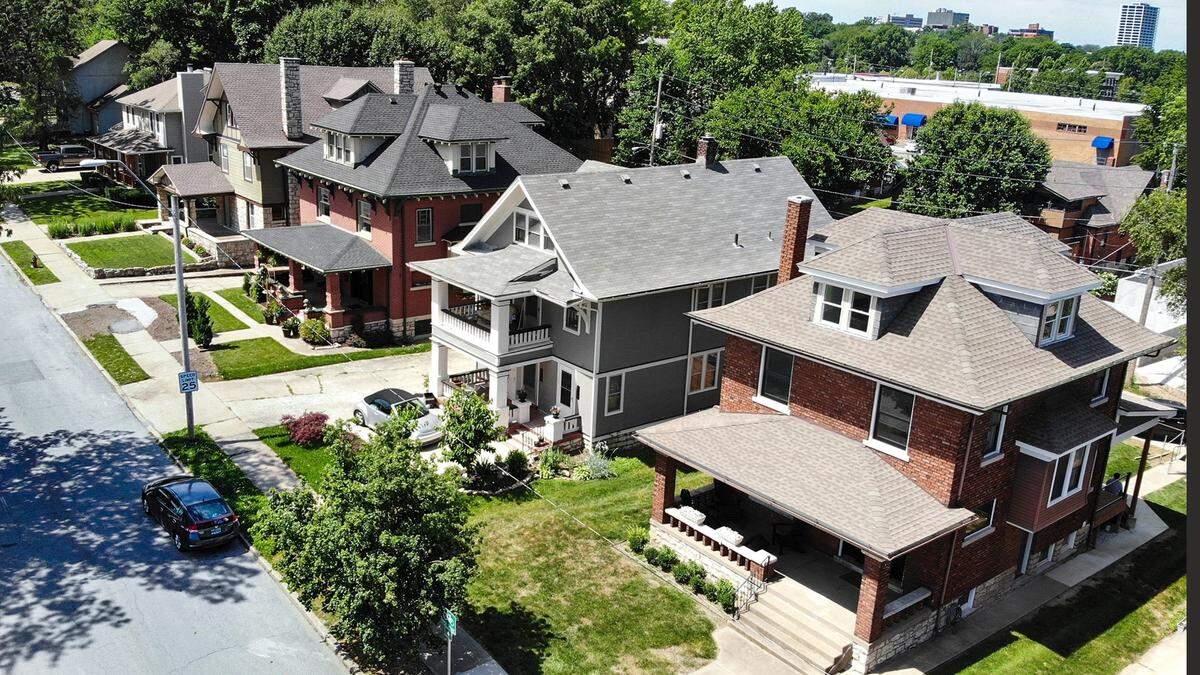
Homes in the Longfellow neighborhood. Tammy Ljungblad tljungblad@kcstar.com
Longfellow is a neighborhood in midtown Kansas City that stretches from 31st Street up to Hospital Hill. The cozy, largely residential area lies between Gillham Road and Troost Avenue, featuring stately old houses and towering trees.
“Longfellow is a close neighborhood with an interesting history and fun restaurants, coffee shops and bars scattered throughout,” longtime resident Sarah Hirsch told The Star.
Must eat or drink:
A number of cozy eateries call Longfellow home. Ruby Jean’s Kitchen and Juicery is a Black-owned cafe that’s got you covered for smoothies and healthy options.
You Say Tomato and Succotash are favorite brunch spots, and family-owned Teocali serves authentic Mexican dishes including $10 lunch specials.
For a more upscale dining experience, make a dinner reservation at the Antler Room.
Must do:
Visit Sister Anne’s, a combination coffee shop and record store for music, zines and caffeine.
Then it’s a short walk to the leafy oasis of Virgil’s Plant Shop and its neighbor Peaches Vintage clothing boutique on the corner of 28th and Cherry streets.
Iconic neighborhood thing:
The Longfellow Community Garden features rows of fresh produce, resident chickens, a miniature orchard of fruit trees and a gazebo.
It was also last year’s winner for Best Urban Garden in The Pitch. Stop by the garden’s free pantry and library any time, or visit on Saturdays to see how you can help out.
Known for:
One longtime resident told us that the neighborhood hosts an unofficial Mardi Gras parade every February featuring drummers, costumes and fire jugglers.
The area also features magnificent trees that some residents decorate with small toys and trinkets to create whimsical ‘fairy houses.’
A bit of history:
Longfellow is the historic site of a woman-run community established in the 1980’s called Womontown.
Some of the utopian experiment’s original residents still live in the neighborhood today.
Aerial view of Victor Street, in the Santa Fe neighborhood on Kansas City’s east side. Rich Sugg rsugg@kcstar.com
Hailed as the first organized neighborhood in Kansas City in 1827, Santa Fe Place is a neighborhood full of history and character.
The historic east side neighborhood sits between 27th Street to Linwood Boulevard and Prospect Avenue on to Indiana Avenue.
The community is now predominantly Black, but that wasn’t always the case. The neighborhood was the first in Kansas City to regulate the maintenance and upkeep of residential properties. It intentionally lacked commercial properties and catered to rich and upper class neighbors, instilling a racial covenant in 1931 that banned Black people from buying or renting property.
But a Black Kansas City doctor, Dr. Dennis Madison Miller, challenged that in court and became the first to integrate the neighborhood.
Alex Ellison, a longtime resident who has lived in the neighborhood with his wife since 1983, said that the neighborhood is still a goldmine, depending on how you look at it.
“I mean the historic nature of the neighborhood, you know, at one time there were none of us,” Ellison said.
Today, many people pass through the neighborhood as tourists to see the old stomping grounds of legendary Kansas City figures including Satchel Paige, Bruce Watkins, Alan Wheat and Rev. Wallace Hartsfield.
Must eat or drink:
There aren’t that many restaurants in Santa Fe Place since commercial properties were excluded in the development of the neighborhood.
Residents like Ellison suggest that people check out a few Black-owned establishments on the outskirts of the neighborhood, including The Combine on 30th Street and Troost Avenue.
Must do:
Be sure to check out all the beautiful architecture. Many of the homes in the area are shirtwaist style or bungalow homes, according to Brox. The homes in Santa Fe are also special because they were built to last and carry a lot of history.
The book Santa Fe Place: Moving to the Top of the Hill has a nice walking tour guide that can give you a head start as you journey through the neighborhood. You can also check out the African American Heritage Trail, which has a map of the neighborhood and a few prominent landmarks.
“The housing and the neighborhood is still pretty much intact,” said James Brox, who has lived in Santa Fe Place since 2004 and is known as neighborhood historian. “It basically looks exactly like it did 100 years ago.”
Fun fact:
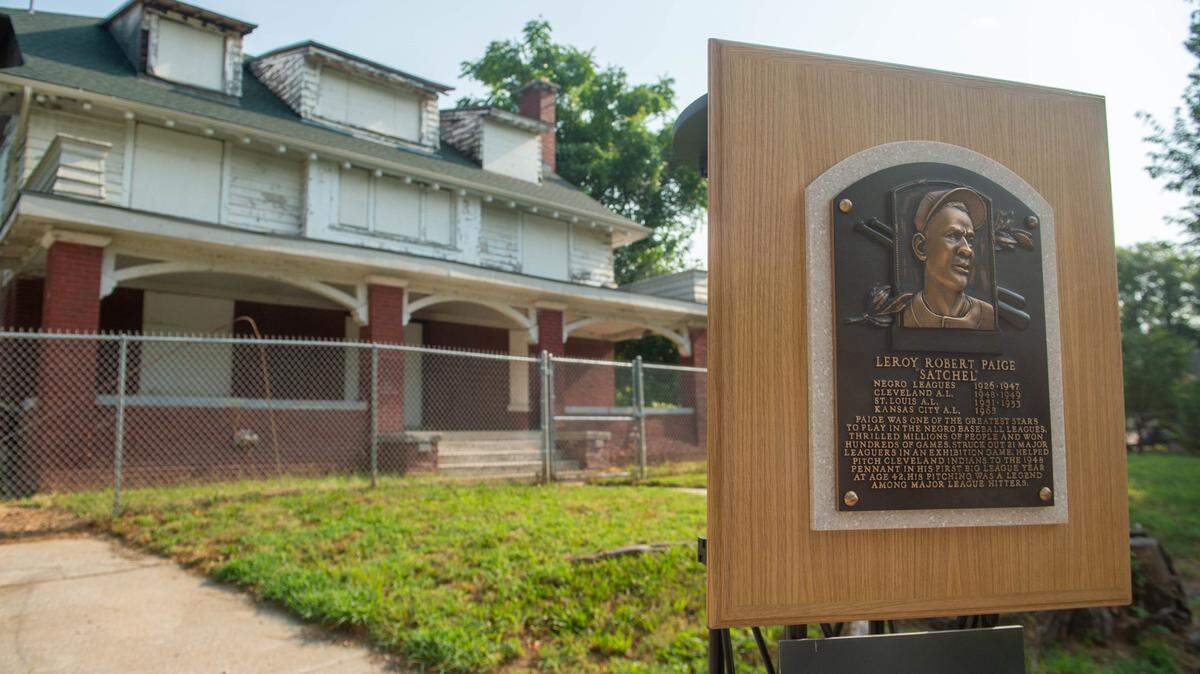
In August, city officials announced plans to renovate the home of Satchel Paige, the great baseball player who was one of the first to integrate Santa Fe Place in 1950. The home will be turned into a museum in partnership with the Leroy Satchel Paige Home Corp. non profit.
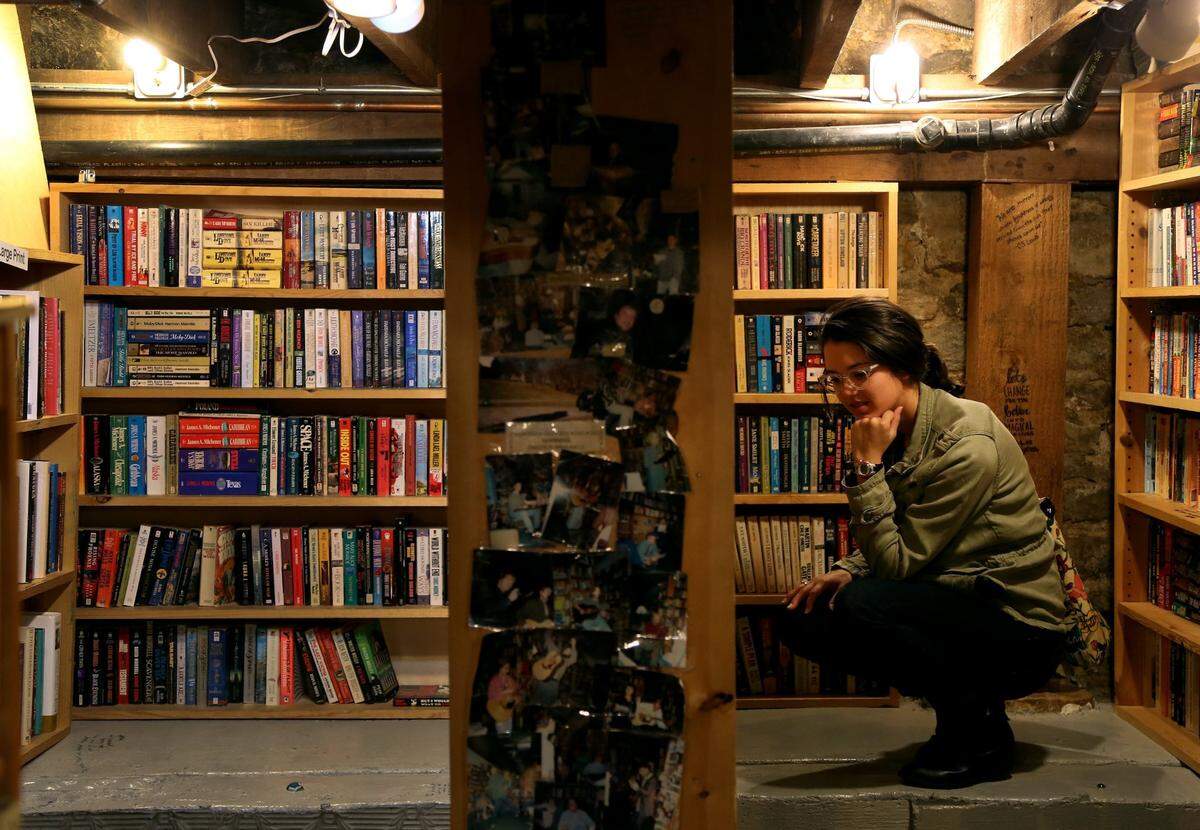
Samantha Gibbs browses books in the basement of Prospero’s on the corner of 39th and Bell streets in Kansas City. The bookstore is a favorite for those who love to browse their diverse collection or tuck away in one of the shop’s many nooks to read. File Kansas City Star
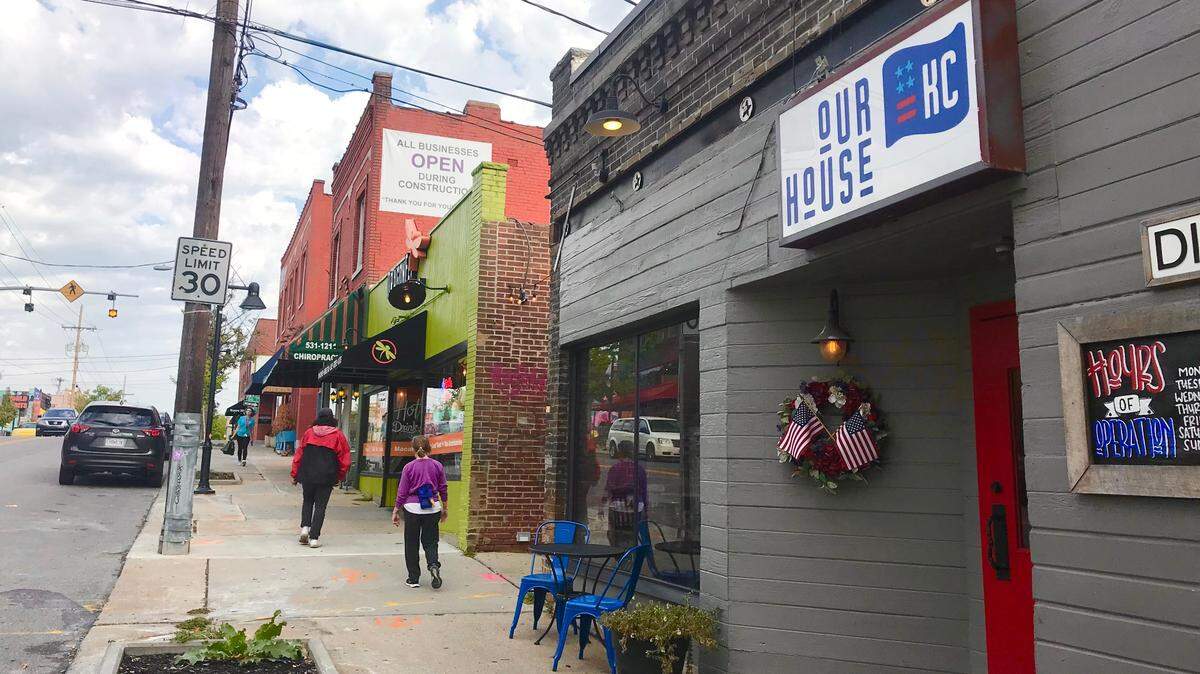
Neighbors call the local business-packed strip of West 39th Street between Southwest Trafficway and State Line Road the heart of the Volker neighborhood, while the sidestreets are marked by homes with plant-filled front porches and small apartment buildings with patios.
Some residents find the area so synonymous with Midtown that they use the two names interchangeably.
Must eat or drink:
Get a taste of some of Kansas City’s favorite barbecue at Q39.
If you’re in the mood for California-Mexican fare, Tiki Taco is open until 10 p.m. most nights serving up street tacos, burritos, horchata and their new take on the Choco Taco.
For craft cocktails in a trendy space, head further west to Goat and Rabbit.
“There’s just a lot of love behind the food and drinks on the street,” said Maggie Zahner, a co-owner of Our House KC, a combination bar, restaurant, barbecue joint, coffee shop and live music space.
Must do:
Prospero’s Books on the corner of 39th and Bell streets offers three floors of secondhand books, as well as a small selection of records, zines and other media. A trip to the shop’s basement floor is worth it just to browse the years worth of colorful graffiti on the walls and shelves.
At a time when so much clothes shopping is done online or in large corporate chain stores, Donna’s Dress Shop offers a glimpse of a bygone era. The clothing boutique features vintage and modern pieces in a variety of styles and sizes — plus plenty of eclectic jewelry.
Iconic neighborhood thing:
Volker is home to a lot of artistic people, resident and restaurant owner Mazen Iskandrani told The Star.
The arts-focused Charlotte Street Foundation also hosts community events, performances and artist residencies, contributing to the creative character of the neighborhood.
City in Motion dance company holds a free dance recital every year in another beloved spot, Roanoke Park. While this park straddles several neighborhoods, Volker residents consider it a valued community spot for enjoying nature.
Known for:
Multiple people told The Star that Volker offers a welcome relief from the car-centric bustle of daily life in Kansas City. Zahner called it “one of the best neighborhoods to not have a car in,” pointing to how closely-packed the businesses of West 39th street are.
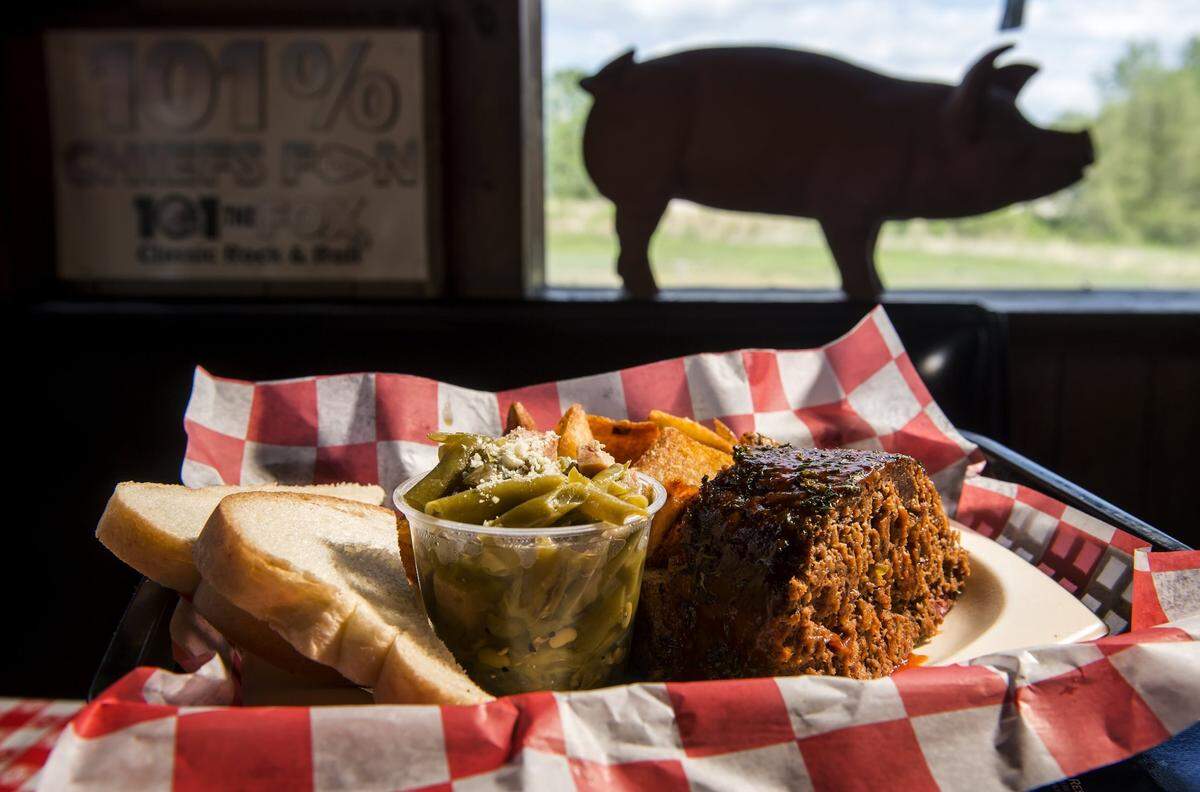
The BBQ meatloaf, a blend of smoked beef brisket and ground beef with sweet barbeque sauce, served with skillet fries and green beans, available at BB’s Lawnside BBQ, 1205 E. 85th Street in Kansas City File Kansas City Star
For Diane Hershberger, the Marlborough neighborhood—a southeast KC community that spans from Gregory Boulevard to 89th Street and Troost Avenue to Bruce R. Watkins Drive—is a comfortable place to be.
She’s lived in Marlborough for 26 years and currently serves as the interim executive director of the Marlborough Community Coalition. There’s a lot to love about Marlborough, she says, from its diversity, its green spaces, easy access to the highway and its interesting history.
“Marlborough is a community that cares,” six year Marlborough resident Anthony Barnes said. “We care about new residents. We care about our current residents and we care about the overall community.”
Must eat or drink:
BB’s Lawnside BBQ has both food and live music for you to check out next time you’re near Marlborough, Barnes suggested.
The Borough is a new neighborhood food hall that includes an ice cream shop, cafe and a farm to table restaurant that Hershberger owns. She bought the restaurant with her husband after the previous restaurant occupying the building closed in 2019.
“We were concerned that no one was going to reopen it as a restaurant [and] we knew there was a need for a gathering place,” she said. The Borough opened in April 2022.
Must do:
Barnes and Hershberger agree that the parks and outdoor spaces in Marlborough are what make the neighborhood special.
To start, check out the park that sits at 81st Street and Troost Avenue. The space has a kid-friendly zip line and doubles as a green space, which hosts native plants and retains stormwater to prevent sewage backup. The park is one of three major green spaces in the neighborhood that have grown to include more native plants and retain stormwater.
The other two include a five acre park at The Paseo and Hickman Mills Drive and Arleta Park at 77th Street and Prospect Avenue.
The city recently added new protected bike lanes along Hickman Mills Drive that connect all the way to the end of the Trolley Track Trail.
Iconic thing about the neighborhood:
The St. Augustine Catholic church at 79th Street and The Paseo is a Marlborough landmark. The building was built in 1948.
Known for:
For Barnes, Marlborough is known for how neighborly it can be.
“[There’s a] strong sense of community,” he said. “People in the community can work together. It’s a decent place to live and raise a family.”
The diversity in housing stock is also something that stands out to Hershberger. She said when you walk down a street in the Marlborough community, it’s easy to see buildings from any era.
Marlborough also has a community land trust that is working to create affordable homeownership opportunities for low to moderate income residents, and to redevelop a neighborhood school.
A historical fun fact:
The Marlborough neighborhood used to be connected to downtown and Midtown by Kansas City’s old streetcar system, which also connected to the Pacific railroad.
This story was originally published November 16, 2022 at 5:30 AM.
Kansas City is home to more than 240 neighborhoods. They are almost like mini-cities that stand on their own, each with their own histories, things to do and unique vibes. These guides, shaped by recommendations from those who call each place home, will help you explore the city neighborhood by neighborhood. More are on their way, too.

.JPG "KCM_SnakeSat102F031222JAT (1).JPG")
.JPG)