Kansas City has inspired dozens of songs. But which one is the best?
Fifty years ago, a musical group called the Les Humphries Singers was having huge success with the song “Kansas City.” It had reached No. 2 on the German charts and No. 1 in Switzerland, and the recording was leading off the C-side of a new two-disc live album.
But this “Kansas City,” sung in English by the German group, almost certainly isn’t the “Kansas City” you’re thinking of.
Unless this sounds familiar:
“Kansas City with a friend of mine
“We drank some whiskey and we really felt fine
“Then we started leaving on the run
“Hey ho yippeeiayay
“He shot up Kansas City on a very fine day.”
Nowhere to be found is “They got some crazy little women there and I’m gonna get me one.”
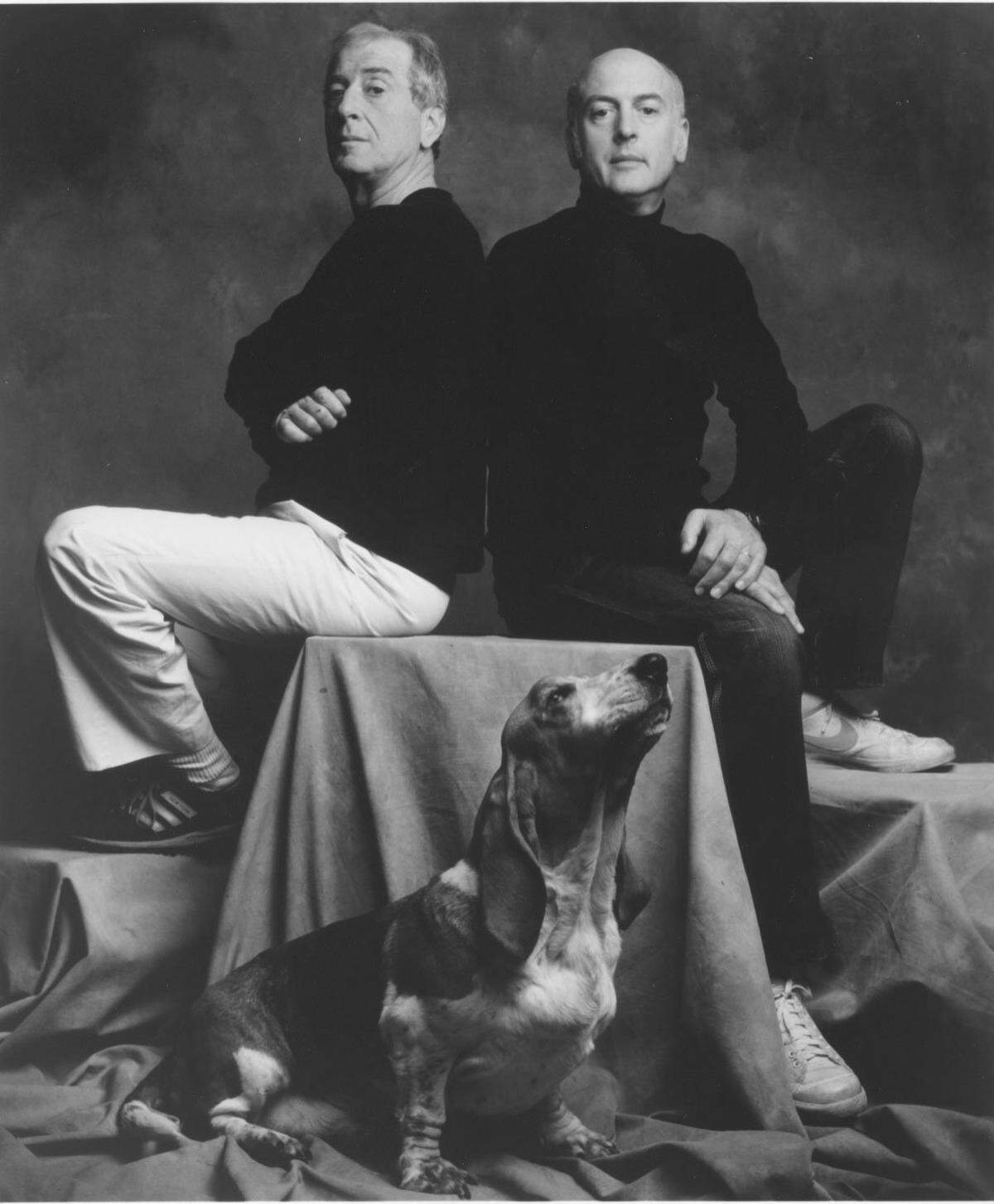
Those lyrics are from the far more familiar “Kansas City” written by Jerry Leiber and Mike Stoller. It is the city’s official song, and hundreds of artists have recorded it.
But, as the Les Humphries Singers’ recording shows, the Leiber-Stoller composition is hardly the only song titled “Kansas City.” Among others are the Rodgers and Hammerstein classic from the Broadway musical “Oklahoma” and more recent versions from Melissa Etheridge, Tech N9ne and Bob Dylan. Yes, that Bob Dylan.
There also are hundreds of other songs, dating back more than 100 years, with “Kansas City” in the title. Recordings cover the entire musical spectrum, including jazz, blues, ragtime, bluegrass, boogie-woogie, country, rock and pop. (No classical that we could find.)
The Leiber-Stoller composition is generally regarded as the gold standard of Kansas City songs, but we’ve decided to determine whether it is Kansas City’s favorite Kansas City song. And if so, which version rates No. 1?
KC rhythm
One reason Kansas City is a popular choice musically is the rhythm of its name.
“I loved the sound of it syllabically,” Stoller told American Songwriter magazine in 2021. “Kan-sas Ci-ty. Chicago was good, but I liked Kansas City better. Because Chicago is halting consonantly-wise. And Kansas City just rolls out.”
Simply spouting “Kansas City” doesn’t make a song great, of course. Take the Les Humphries Singers.
Taste in music varies, but suffice it to say that the German-born “Kansas City” from 50 years ago has not stood the test of time. It features repetitive chords and cloying lyrics that will strain the patience of any listener.
“It’s terrible,” said Chuck Haddix, director of the Marr Sound Archives at UMKC and the city’s premier music historian. “Kansas City has long been a destination in song. It’s just that this one took a really bad detour.”
The Les Humphries Singers, formed by Englishman Les Humphries in 1970, featured a varying number of singers of diverse ethnic origins. They sold millions of records in Europe but never made it to the United States.
While The Rolling Stones, Aerosmith, Black Sabbath and Queen were rocking the world, the Les Humphries Singers took a more Muzak approach. If you’re familiar with Up with People or The New Christy Minstrels, you get the idea.
“Those were very popular at the time, the whole sing-a-long thing,” Haddix said. “… It was a mashup between that whole singer tradition and disco. It’s like the worst of both worlds.”
History of a hit
As for Kansas City songs that are more pleasing to the ear, the Leiber-and-Stoller story is well known: Two 19-year-old New York guys who had never set foot in Kansas City compose a rock ’n’ roll song in 1952 that turns into a hit by Wilbert Harrison in 1959.
The first recording was by Little Willie Littlefield with the title “K.C. Loving.” Artists who have recorded it since include Fats Domino, Muddy Waters, Peggy Lee, Tom Jones, Ann-Margret, Jefferson Airplane, James Brown, Sammy Davis Jr. and Kansas City’s own Marilyn Maye.
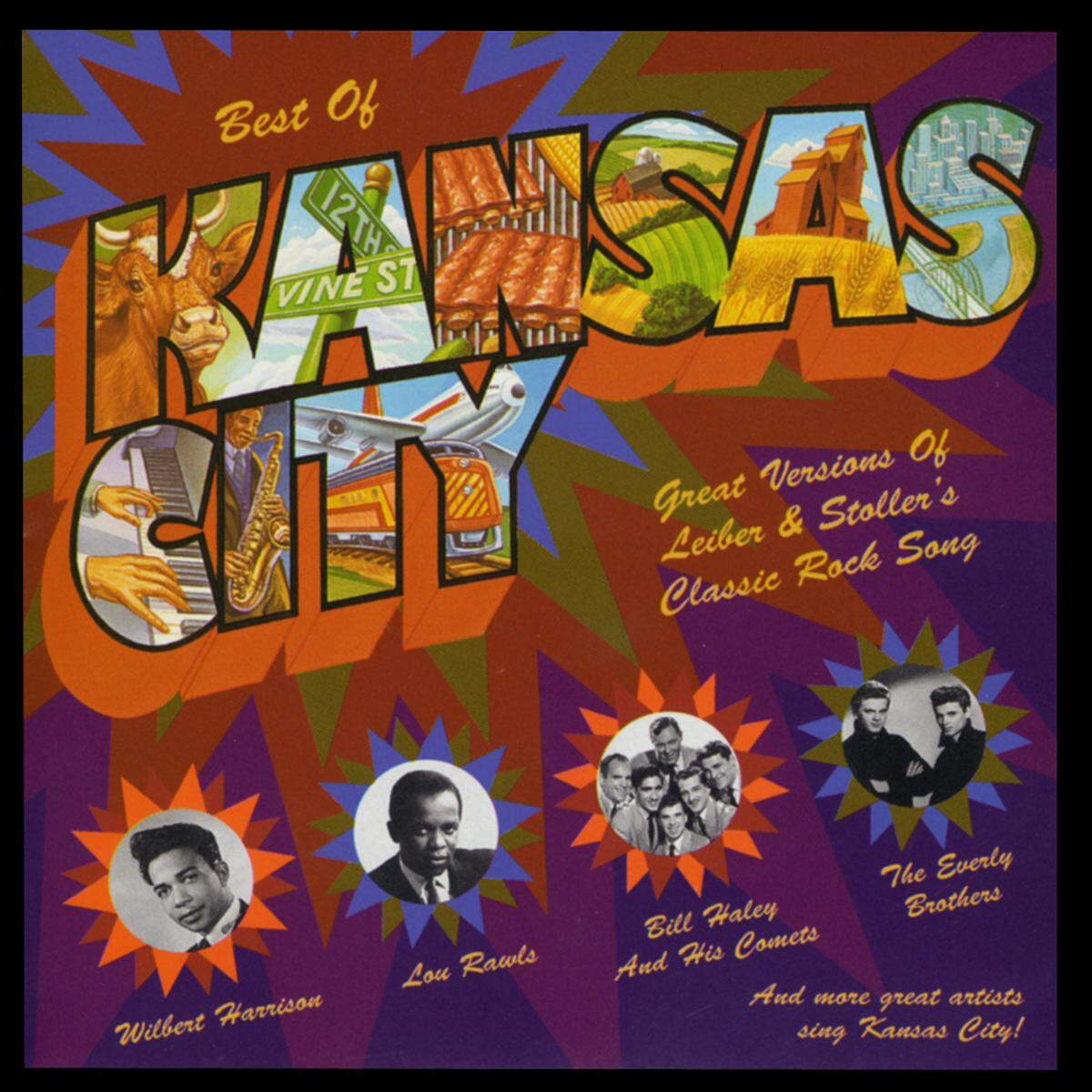
Harrison’s “Kansas City” was added to the Grammy Hall of Fame in 2001 and was included in the Rock and Roll Hall of Fame’s 500 Songs That Shaped Rock and Roll, compiled in 2004.
Still, it took until 2005 for the city to recognize “Kansas City” as its official song. After a months-long campaign by The Star’s Mike Hendricks, the city council voted 11-0 to replace a ditty called “Kansas City, My Hometown,” which had been the official song since 1950.
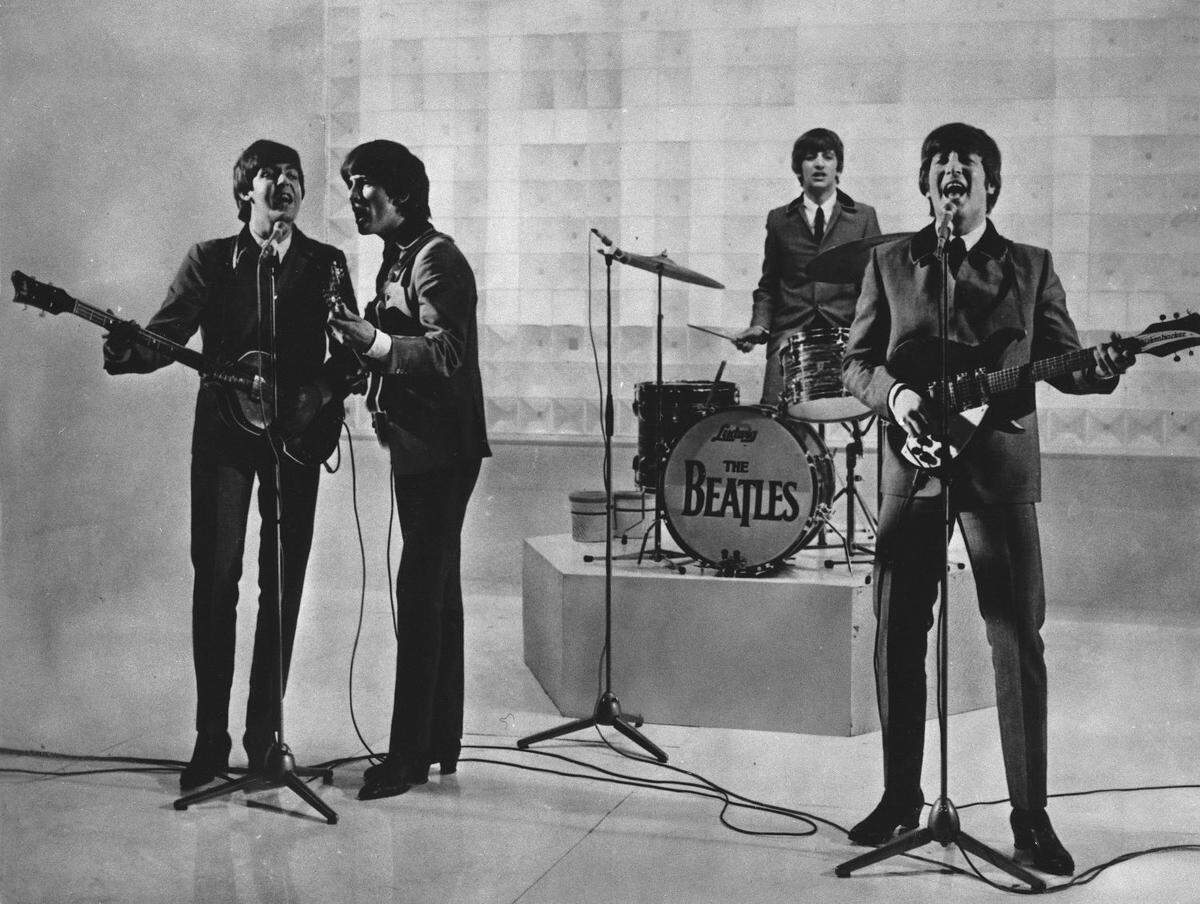
That proclamation doesn’t designate a particular version, however. Harrison’s is vastly different from Little Richard’s or The Beatles’ (which Leiber and Stoller said they didn’t care for), and every other artist has put his or her own spin on the original (Leiber and Stoller said their favorite was by jazz singer Joe Williams in 1964).
So, determining the city’s favorite Kansas City song involves choosing among several performances from the Leiber and Stoller tree as well as the other compositions named “Kansas City” or with our town in the title.
Hometown heroes
Starting with the most recent, rapper Tech N9ne can claim perhaps the most Kansas City “Kansas City” song. Written with Rich the Factor and The Popper in 2016, it features the words “Kansas City” 38 times (along with “K.C.” three times and “Kansas Citian” once), as well as shoutouts to Ollie Gates, freezing winters, sweaty summers, Shane Ray, the Royals, Andy Reid and other local institutions.

Moreover, Tech N9ne, who will headline Boulevardia on June 14, is the rare musical artist who grew up here, became a superstar here and stayed here. He released “KCMO Anthem” in 1985 to celebrate the Royals’ World Series victory and “Red Kingdom” in 2019 to support the Chiefs. Now he’s written the official Sonic ID for Kansas City’s 2026 World Cup soccer games.
Like Tech N9ne, Etheridge has penned multiple songs celebrating Kansas City — the Chiefs in particular. The Leavenworth native’s “Deal With It” aimed at opposing NFL fans debuted on the NFL Network earlier this year. In her “Kansas City,” she sings of driving on the interstate in her “old man’s Delta 88” with “hundred miles to go to Kansas City.”

Going to, coming from and longing for Kansas City are common themes in the odes to our town. In many cases, the titles tell the story. Here are a few:
“Get Me to Kansas City,” “Goin’ to Kansas City,” “Leavin’ Kansas City,” “Movin’ to Kansas City,” “Home to Kansas City,” “Kansas City on My Mind,” “Kansas City Bound,” “Train From Kansas City” and “Goodbye Kansas City,” which was Harrison’s 1960 follow-up to his 1959 “Kansas City” hit.
But perhaps the king of KC comings and goings was Pete Johnson, a boogie woogie and jazz pianist from Kansas City who later moved to Buffalo. His songs included “Kansas City Farewell,” “Kaycee on My Mind,” “Kaycee Feeling,” “J.C. from K.C.” and “627 Stomp” (named after the local union established in 1917 by Black musicians).
Johnson often accompanied singer Big Joe Turner during gigs at Kansas City saloons. Turner, one of the rare performers who has been inducted into both the Blues Hall of Fame (1983) and Rock and Roll Hall of Fame (1987), wrote a song about Kansas City that didn’t have the town in the title.
In “Piney Brown Blues” (1940), Turner bemoans:
“Well I been to Kansas City
“Girl and everything is really alright
“Well I went back to Kansas City
“My little girl was gone.”
Other highlights
▪ “Lost on the River: The New Basement Tapes” deserves a special mention for its double homage to Kansas City. The 2014 album was produced by the iconic T-Bone Burnett and featured a supergroup called The New Basement Tapes consisting of Jim James, Elvis Costello, Marcus Mumford, Taylor Goldsmith and Rhiannon Giddens.
The 20 tracks, based on lyrics handwritten by Dylan in 1967, include “Kansas City” and “Six Months in Kansas City (Liberty Street).” Costello couldn’t make the recording session for “Kansas City,” so an amateur named Johnny Depp filled in.
Dylan, by the way, performed the Leiber-Stoller version — with Tom Petty & The Heartbreakers — at what was then Sandstone Amphitheater in Bonner Springs in 1986. Afterward, he said, “Well, that’s the first time I’ve ever played that.”
▪ Jim Jackson was a legendary Mississippi blues man, but his first hit and most influential song was “Kansas City Blues.” Janis Joplin co-wrote and recorded another song called “Kansas City Blues,” which included the lyrics “Going to Kansas City to bring Jim Jackson home.”
▪ Roger Miller’s 1965 hit “Kansas City Star,” which was covered by country singer Kacey Musgraves in 2018, is about a children’s TV personality, not a newspaper.
▪ Without much question the greatest pairing ever assembled for a Kansas City song was saxophonist Charlie Parker, a local product, and trumpeter Miles Davis on “K.C. Blues” in 1951. Parker also teamed with fellow Kansas Citian Jay McShann on the album “Kansas City Memories” in 1955.
▪ Count Basie, another stalwart in Kansas City jazz history, released an album with his orchestra in 1960 called “Kansas City Suite” that included “Vine Street Rumble,” “Jackson County Jubilee,” “Paseo Promenade” and “Rompin’ at the Reno.”
Pick three
So, now it’s time to choose a favorite Kansas City song.
With input from Haddix, Hendricks, Rick Hellman of the Kansas City Rock History Project, and Dina Bennett, executive director of the American Jazz Museum, we’ve assembled 30 candidates.
Mark your three favorites, and feel free to write in any we missed. We’ll compile the votes and reveal the winner in a later story.
▪ “Kansas City Rag,” James Scott, 1907
▪ “Carrie’s Gone to Kansas City,” Blind Boone, 1909
▪ “Kansas City Man Blues,” Mamie Smith, 1923
▪ “Kansas City Stomp,” Jelly Roll Morton, 1923
▪ “Kansas City Blues” Jim Jackson, 1927
▪ “Kansas City Kitty,” Harry Reser’s Syncopators, 1929
▪ “K.C. Moan,” Memphis Jug Band, 1929
▪ “Kitty From Kansas City,” Rudy Vallee, 1931
▪ “Kansas City Farewell,” Pete Johnson Trio, 1939
▪ “Kansas City,” written by Rodgers and Hammerstein, 1943
▪ “Kansas City Boogie Woogie,” Deryck Sampson, 1943
▪ “Kansas City Mama,” Jesse Price, 1946
▪ “K.C. Blues,” Charlie Parker (with Miles Davis), 1951
▪ “Kansas City Boogie,” Julia Lee, 1952
▪ * “K.C. Loving,” Little Willie Littlefield, 1952
▪ “Kansas City Railroad Blues,” Bill Monroe & the Blue Grass Boys, 1956
▪ “Kansas City Woman,” Chuck Willis, 1956
▪ * “Kansas City,” Wilbert Harrison, 1959
▪ * “Kansas City (Hey-Hey-Hey-Hey),” Little Richard, 1959
▪ * “Kansas City,” The Beatles, 1964
▪ * “Kansas City,” Joe Williams, 1964
▪ “Kansas City Star,” Roger Miller, 1965
▪ “The Train from Kansas City,” The Shangri-Las, 1965
▪ “The Kansas City Song,” Buck Owens and the Buckaroos, 1970
▪ “Kansas City Southern,” Pure Prairie League, 1975
▪ “The Eternal Kansas City,” Van Morrison, 1977
▪ “Kansas City Lights,” Steve Wariner, 1982
▪ “Kansas City,” Melissa Etheridge, 2012
▪ “Kansas City,” The New Basement Tapes, 2014
▪ “Kansas City,” Tech N9ne, 2016
* based on the Leiber-Stoller composition