
Tick-repelling clothes might actually stop the little blood-suckers, CDC says
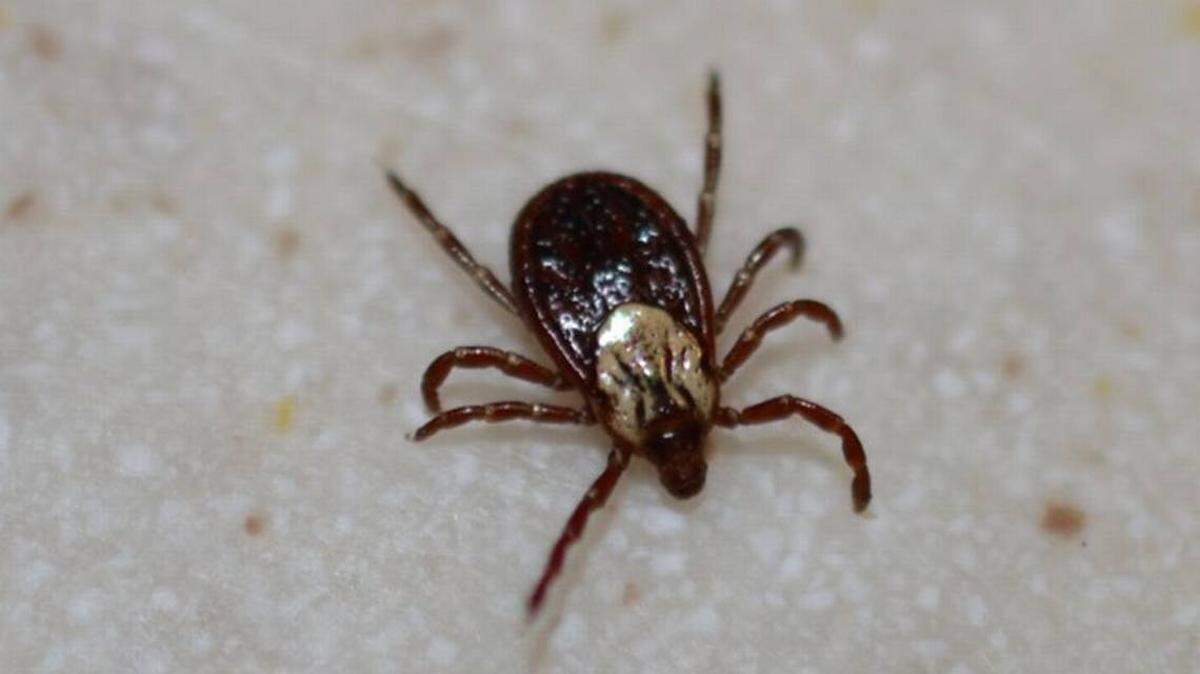
Clothing treated with the insecticide permethrin had "strong toxic effects" on three species of ticks known to spread illnesses such as Lyme disease in the United States, a CDC study has found.
In other words, tick-repelling clothing might actually shield against the little blood-suckers.
The permethrin on the clothing made the ticks sluggish, impairing their movement and ability to bite, according to the study published Thursday in the Entomological Society of America's Journal of Medical Entomology.
After just a minute or two of contact with the treated fabric, the ticks fell off. Researchers called it the "hot-foot" effect.
The research might sound promising, given that the number of tick-borne illnesses are on the rise. Nationwide, the number of reported tick-borne diseases more than doubled in the past 13 years, the Centers for Disease Control and Prevention reported earlier this month.
But Consumer Reports cautioned that it's still unclear whether the permethrin-treated clothing actually prevents bites because the study "did not test any items while they were being worn, so it doesn’t show conclusively how well the clothes might keep ticks from biting you," said James Dickerson, chief scientific officer for the consumer organization.
Permethrin is a synthetic form of an insecticidal compound that comes from chrysanthemums. Its ability to protect against tick, mosquito and fly bites has been documented since the late 1970s, but researchers continue to study that effectiveness on various species under various conditions, according to Entomology Today, which said the new CDC study adds to the promise of permethrin-treated clothing.
In this latest study, CDC researchers put ticks on swatches of cloth cut from pieces of permethrin-treated clothing — shirts, pants and socks — made by Insect Shield, which makes bug-repellent apparel sold by Orvis, ExOfficio and other companies, according to Consumer Reports.
Three species of ticks were used in the experiments: blacklegged ticks, the main spreaders of Lyme disease; lone star ticks and American dog ticks. The majority of them exposed to the insecticide-treated fabric couldn't move normally after just a few minutes of exposure.
The treated fabric seemed to have strongest adverse effects on the blacklegged tick nymphs, which after spending one minute on the fabric couldn't move normally one hour later.
In some tests where the treated fabric was placed at a 45-degree angle, the ticks simply let go and tumbled off.
"All tested tick species and life stages experienced irritation — the 'hot-foot' effect — after coming into contact with permethrin-treated clothing," Lars Eisen, research entomologist at the CDC's National Center for Emerging and Zoonotic Infectious Diseases and senior author on the study, told Entomology Today.
"This caused the ticks to drop off from a vertically oriented treated textile designed to mimic a pant leg or the arm of a shirt. We also found that sustained contact with permethrin-treated clothing — up to 5 minutes — resulted in loss of normal movement for all examined tick species and life stages, leaving them unable to bite."
A larger study in which people wear regular or treated clothing in normal outdoor activities is needed to determine whether permethrin-infused clothing actually stops tick bites, Eisen told Consumer Reports.. “We do not have that study yet," he said.
Still, he said, "we know that permethrin-treated clothing is toxic to ticks. So we are assuming that if you are adequately covered by permethrin-treated clothing, there’s no reason it should not be protective.”
Consumer Reports says its experts are more cautious, and that while there's probably little harm in wearing permethrin-treated clothing, using a bug repellent — which the consumer outlet tests each year — should be the first line of defense against ticks.
Most of the magazine's recommended brands contain deet at concentrations of 15 percent to 30 percent, while a few contain 20 percent picaridin or 30 percent oil of lemon eucalyptus, it said.
The CDC offers more advice on preventing tick bites on its website.
This story was originally published May 24, 2018 at 1:34 PM with the headline "Tick-repelling clothes might actually stop the little blood-suckers, CDC says."