
H&R Block says tax refunds show the impact of the Affordable Care Act
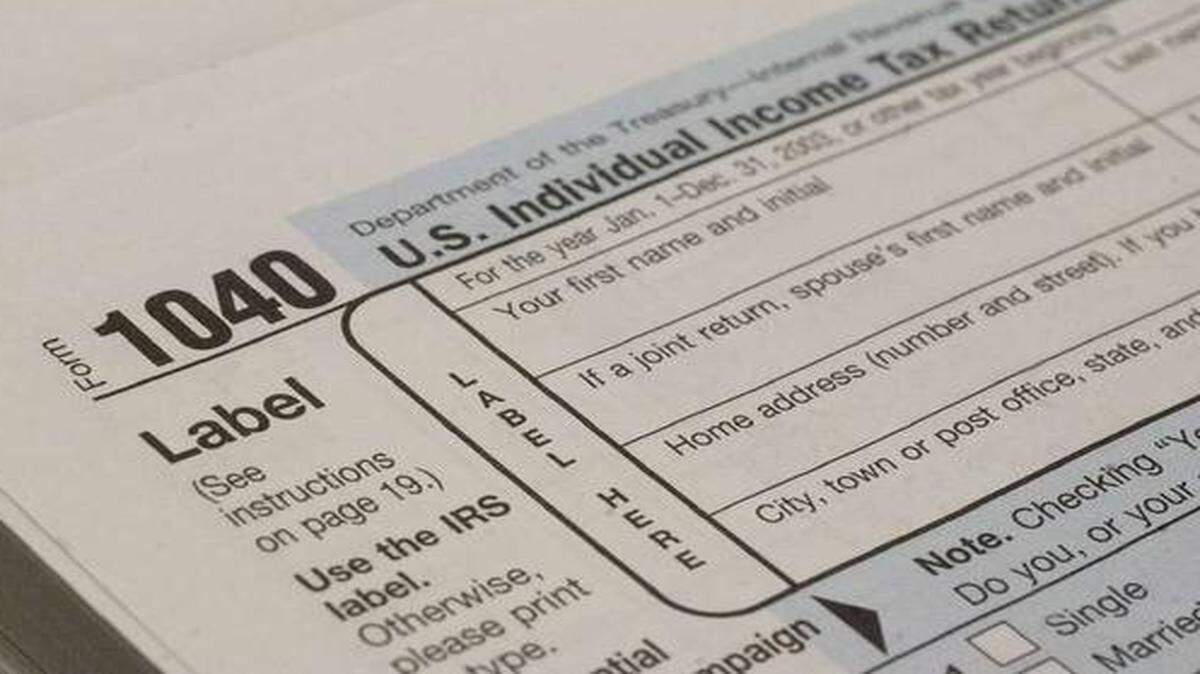
The Affordable Care Act helped millions gain health insurance last year but is cutting into the tax refunds for many as they file returns this year.
H&R Block said Tuesday that the health care law is changing the refunds for 90 percent of its clients who had enrolled for health care coverage through federal or state exchanges for 2014.
“Over half, 52 percent, are actually paying a portion of their refunds back,” Mark Ciaramitaro, Block’s vice president of health care and tax services, said at a presentation in Washington.
These filers are seeing smaller refunds, on average $530 smaller.
The change in refunds occurs as taxpayers reconcile their 2014 income with the benefits they received under the Affordable Care Act.
H&R Block said 38 percent of its customers who gained coverage under the act are seeing larger refunds, on average $365 larger, according to returns filed through mid-February.
Thanks to the bump up, their average refund totaled $3,816, Block said. Those who lost part of their refund would have gotten an average of $3,100 back but ended up with about $2,570.
Information on the act’s tax impact is not yet available from the Internal Revenue Service. H&R Block said that its report covered only the first six weeks of the tax filing season, and the results may change as the April 15 filing deadline approaches.
This tax season, Americans who received an advance tax credit to make health care affordable during 2014 are required to reconcile those benefits with their earnings in 2014. The credits had been based on their estimate of what they would earn during the year.
Those who earned less than they had estimated should have gotten a bigger government assist in buying health insurance during the year. So they’re getting a bigger tax refund now.
Taxpayers who earned more than they had estimated got a bigger insurance premium subsidy than their actual income allowed them to qualify for. They’re giving back the difference.
H&R Block said only 10 percent of its customers who bought insurance through the exchanges got their income estimates essentially right and were seeing no effect on their taxes.
One such taxpayer worked with George Helmkamp, who is providing free tax help under the AARP Foundation’s Tax-Aide Program in Kansas City. He said the full-time student at the University of Missouri-Kansas City held several jobs last year but earned about what she had expected.
“She nailed that one perfectly,” Helmkamp said.
Another of his clients did not have health care coverage last year and owed a $95 penalty, which is figured into the 2014 tax return.
The penalty is $95 or 1 percent of income, whichever is larger, for those who failed to get health care coverage. Many exemptions are available to avoid the penalty.
H&R Block said those who faced a penalty on their taxes owed on average $172.
The early effect on refunds and assessments of penalties under the health care act are about in line with what H&R Block had said it expected in this first year of reconciliation. Still, it acknowledged that this is only an early snapshot and the full tax season may show a different outcome.
Jim Meyer, who is providing free tax assistance help through NextStepKC.org, said the Affordable Care Act’s effect on taxes also has had an upside.
For example, he has helped some filers find exemptions from the penalty for not having health coverage last year. And it has helped sell them on enrolling for coverage for 2015.
“Wouldn’t you rather have insurance than an exemption?” Meyer has told them.
To reach Mark Davis, call 816-234-4372 or send email to mdavis@kcstar.com. Follow him on Facebook and Twitter @mdkcstar.
This story was originally published February 24, 2015 at 6:10 PM with the headline "H&R Block says tax refunds show the impact of the Affordable Care Act."