
Trump’s shameless meddling in World Cup is reminder of why sportsmanship matters
AI-generated summary reviewed by our newsroom.
- President Trump pressured FIFA to rescind Folarin Balogun’s red card and suspension.
- FIFA rescinded Balogun’s suspension for the next match, per the BBC.
- The author says the meddling 'radiated corruption' and harmed integrity.
Back in 67 A.D., the Roman Emperor Nero brazenly seized the Ancient Olympics.
He altered its very calendar, shunned traditional emphases to make a show of power and politics and insinuated himself into events — including a few contoured to him and a four-horse chariot race he entered with … 10 horses.
Never mind that he was ejected from the chariot along the way; Nero was declared the winner. Whether that was by way of executive fiat or via bribed or intimidated judges varies some by historical sources. But regardless of how it came to that, it was an obvious sham hidden in plain view.
The shame of which is why political pressure and flexing, especially by despots who believe they are above any and all rules, tends to infect sports when it should be taking cues from them.
Even when — especially when, really — stuff goes awry.
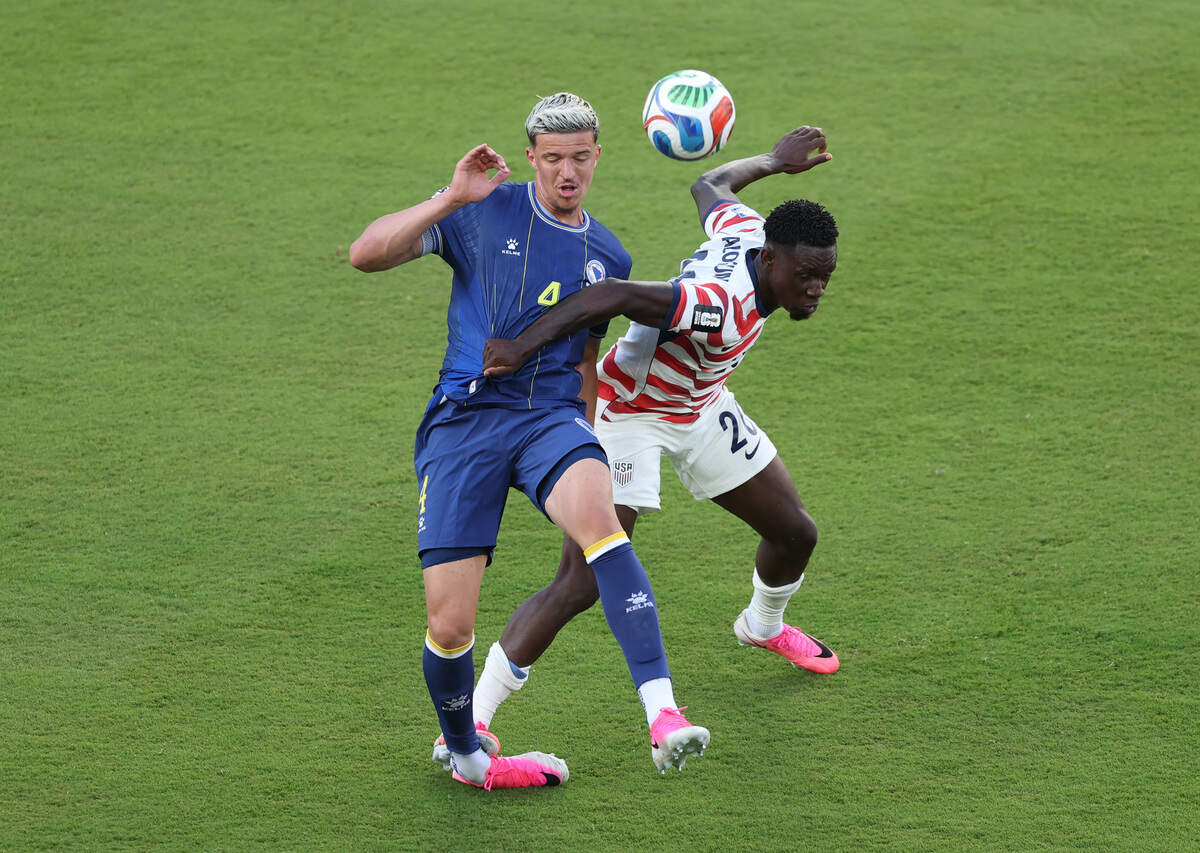
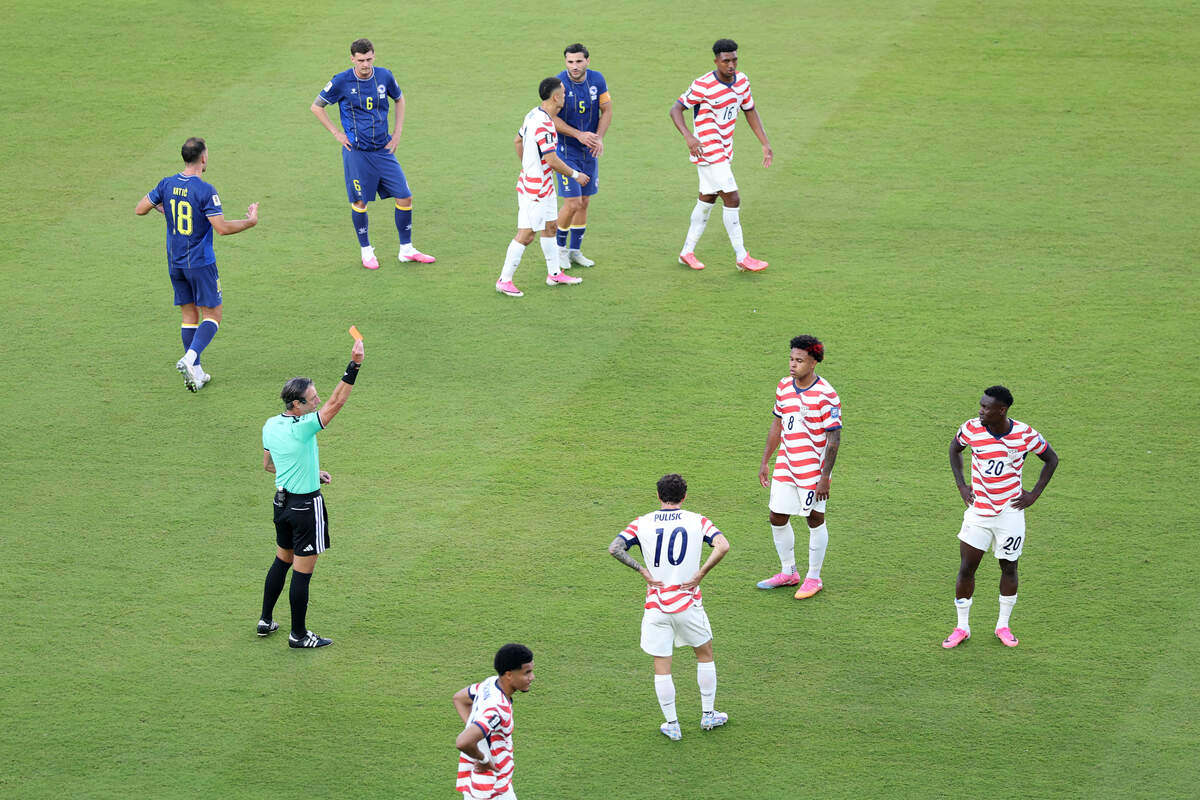
The latest all-too-familiar case in point is FIFA’s delaying of the red-card suspension for Folarin Balogun under duress from U.S. President Donald Trump, a decision that roiled the World Cup and created a bizarre scenario for Team USA.
As if FIFA were, say, Georgia Republican Secretary of State Brad Raffensperger following the 2020 presidential election, Trump leaned on the organization with a phone call seeking to overturn results.
Unlike Raffensperger, who honored the process and democracy itself, FIFA by all public appearances succumbed.
Presto, Balogun played in the team’s World Cup Round of 16 match on Monday night against Belgium in Seattle — marking just the second time in 188 red cards administered during World Cup matches that a player’s suspension was rescinded for the next match, according to the BBC.
The other time was in 1962, amid considerable controversy and before automatic bans were in place.
With its own history of scandal and curiosities, such as awarding Trump a contrived “FIFA Peace Prize,” small wonder FIFA indulged Trump.
But instead of it being a statement of righting a wrong, the result was so unsavory and disillusioning as to smack of rigging the game.
Enough so to leave any number of U.S. supporters torn. It’s one thing to want to win at all costs with no conscience, after all, and quite another to do so feeling beyond reproach.
To me, it would have been an admirable statement for the U.S. to sit Balogun despite the ruling. Trouble is, there was a competing moral imperative once he was eligible: a deep obligation to team and country to try to win.
Some will argue that the bogus red card Balogun received justified Trump’s intervention.
But the notion of ends rationalizing the means is problematic on many levels, most of all because without boundaries and structure there is chaos, and few have the same means and leverage at their disposal.
As the Union of European Football Associations put it in a statement:
“When the certainty of rules is no longer guaranteed by its guardians, the integrity of the game is at stake and the credibility of a competition is undermined. Equally, such decision creates a precedent in the ongoing tournament, where similar situations will now require an equal treatment, to the detriment of the competition.”
Instead, the meddling radiated corruption over due process of an unfortunate but longstanding rule that has remedies seldom invoked in the middle of the World Cup.
And the appearance of squeezing over procedure only was amplified by FIFA’s 13-point statement on the matter. FIFA failed to include a shred of its reasoning — something that would have been useful if it wanted to illustrate actual process or absolve itself of caving to Trump.
Quite sadly, but with a certain element of poetic justice, the American team’s 4-1 humbling by Belgium was the opposite broader effect that Trump evidently but delusionally had in mind.
While Belgium simply appeared to be the superior team, it’s no great leap to reckon the shenanigans tilted the dynamics of the match. Instead of being possessed of the mindset of rallying without its best player, Team USA was put in an untenable position — a victory would have been affixed with an asterisk in the eyes of many.
Meanwhile, Belgium surely was extra motivated by the decidedly rogue action. At least enough so to compel its players to celebrate with post-match maneuvers evidently mocking Trump’s dance stylings.
As much as some wish to deny it, sports and politics have been entwined forever — from Nero to now, at least. While there are plenty of wretched examples of bad behavior in sports, for the most part it offers a model that politicians should seek to embrace instead of trample over.
In this case, no one handled it with more admirable grace than Balogun in the wake of the red card against Bosnia and Herzegovina.
“For me, it was just important to stay calm,” he told reporters in Seattle two days later. “I never want to react out of anger and emotion.
“There’s still lots of people we’re inspiring. Little kids, boys and girls are watching. We have to show them the correct way to handle things even when you think they are unjust.”
Yes, people in sports sometimes cheat and sometimes behave horribly. But because there are rules and codes that have to be honored to make sports work, the transgressors typically are penalized or at least shamed for doing so.
Put another way, sports would be unwatchable mayhem and impossible to administer if every bad call compelled attacks on the integrity of the games and interference from political grandstanders.
If rules are demonstrably bad or wrong, they need to be fixed from within … instead of enabling the appearance the fix is in.
Because a shameful sham tends to be remembered forever.