
Uniquely KC energy of World Cup, July 4 & WWI museum has taught us something great
All at once this weekend, the United States is commemorating its 250th anniversary, the National World War I Museum and Memorial is observing its centennial (albeit with more to come) and Kansas City once again celebrated its role as a 2026 FIFA World Cup host.
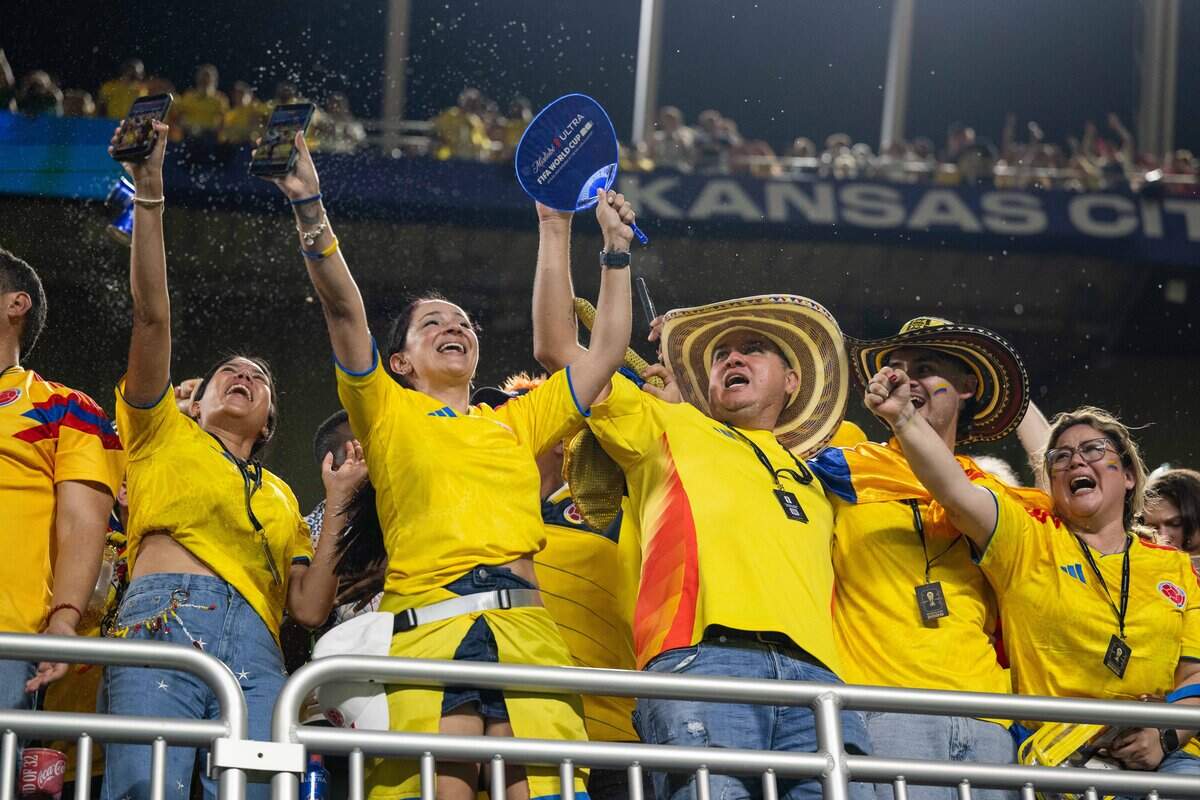
In the fifth of six matches here, Colombia beat Ghana 1-0 on Friday night in a Round of 32 match at “Kansas City Stadium” (Arrowhead) — unfurling over the iconic home of the Chiefs another intoxicating and surreal juxtaposition of pageantry, cultures, colors, chants, songs and other collective noises that defy description.
The three momentous events stand on their own, detached enough to seem entirely unrelated.
But they also are tethered together in a vital and distinct way, coalescing here as nowhere else even while reflecting something deeper and broader that this particular World Cup has come to mean.
The people of Kansas City, after all, created and cultivated what became the national landmark to WWI, and the World Cup emerged out of its embers — both in the spirit of the Christmas Truce of 1914 and the notion that it could serve as a form of peacekeeping to make a reality of the so-called “war to end all wars.”
When the tournament was launched in 1930, then-FIFA president Jules Rimet — a WWI veteran — envisioned it as a vehicle to bring nations together and avert future global conflicts.
“For peace — it was sort of a grandiose idea, wasn’t it?” Matt Naylor, president and CEO of the museum, said in an interview with The Star on Friday. “But we get tastes of that now and again when we find ourselves in the community of others.”
And that’s what’s been most striking and memorable about these last few weeks, hasn’t it?
The magical engagements, from several incredible matches to the indelible Algeria-Lawrence tale to the utter joy of the Netherlands’ Oranje Fanwalk.
From the gratifying casual exchanges being experienced by anyone going to Fan Fest, getting on the KC Streetcar, happening upon visitors in restaurants or attending satellite festivities.
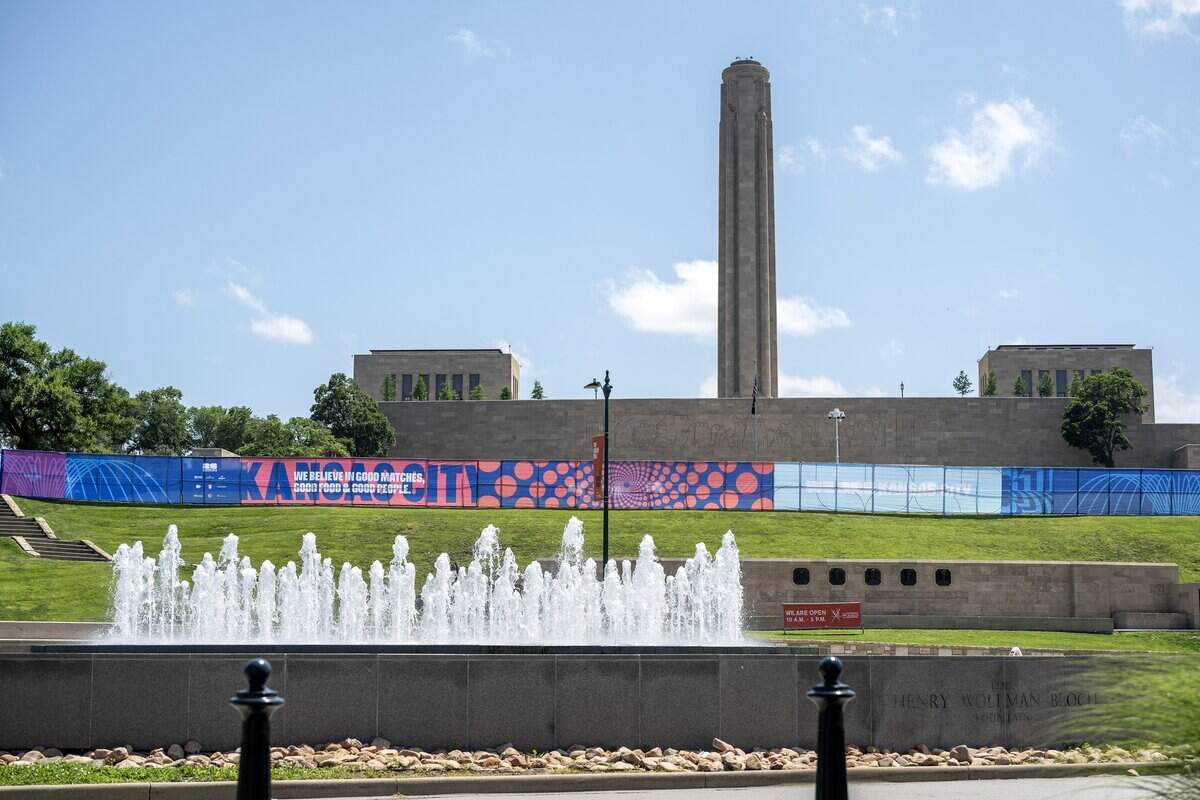
With the world in strife, with many apprehensive about how welcome they’d be here in the United States in the current climate, there is a certain wonder to how this has played out ... especially with fans from more than 130 nations attending matches in Kansas City as visitors while more than 150 have been scanned in at Fan Fest on the grounds of the museum.
But maybe the fascinating dynamics really are just a reminder — and reassurance — of how politics can be transcended when people meet.
And that traditional core American values include being a welcoming melting pot and nation of immigrants who want to embrace the world.
Turns out we can enjoy and share our Fourth of July festivities — a “quintessentially American experience,” as Naylor put it, with vast arsenals of fireworks seldom if ever before seen by most international visitors …
All while also appreciating and sharing in the zeal of our guests — compellingly epitomized in the poignant way so many players have sung their national anthems during the tournament.
“Suddenly, we are not only Americans, but we are people of planet Earth,” said Naylor, a native Australian.
Fleeting as this might be, the “other” right now is another one of us with differences converted into exotic flourishes to be valued or curious about instead of avoided or feared.
During the Oranje Fanwalk, as Naylor saw it, “people were suddenly Dutch. They probably never thought of themselves as being supporters, but suddenly, we have this experience of being together, of being on the same side, even though we’re playing against others.
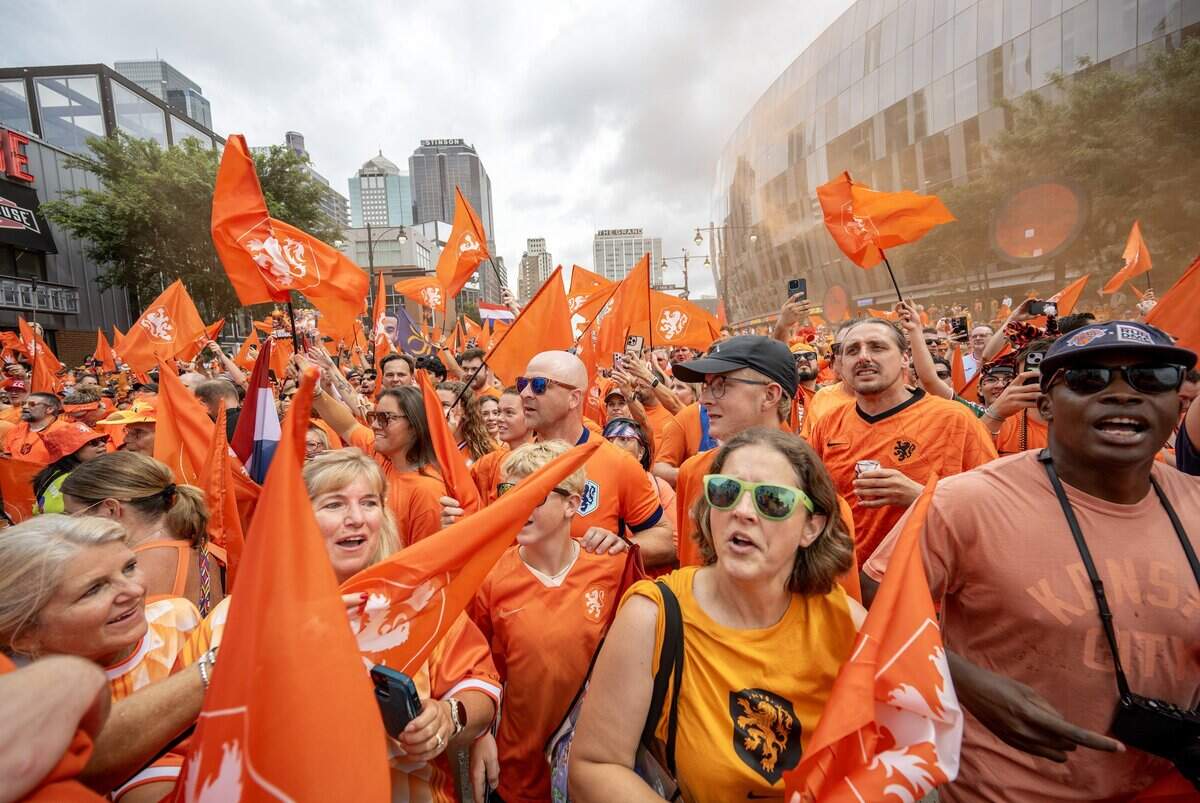
“People sing together in stadium. They dance, and I think that people celebrate that. It seems to me that it speaks to the yearning that we all have to put aside our differences, if only for a while, instead of being divided, to instead be united.
“And when we have those moments, I think it does something to nourish who we are.”
Nourishment we so badly needed — and that we can only hope has some sustaining power going forward.
Not merely in terms of the legacy of the World Cup in Kansas City, a multi-layered and developing story in itself, but also in the annals of sports diplomacy.
It would be naive to think that governmental world-views will shift much, if at all, from these experiences, a point most recently illustrated by the way Iran’s team was treated by the U.S. government and the graceless comments of Homeland Security Secretary Markwayne Mullin after the team was eliminated.
But that doesn’t mean the bonds and awakenings that have been sown won’t grow in their own ways, whether in terms of enduring perceptions or travels to or from here to other nations or inspiring future leaders.
And that doesn’t change a renewed sense you can be both an American citizen and global citizen.
While Naylor has been primarily focused on how soccer has been at the epicenter of such historic bonds, including in the museum’s current exhibition, The Beautiful Game, he knows that events such as the Olympics and other sports have been part of that over the generations.
To bring people together through ways they otherwise would not.
In this case, on a “grand, global” scale that Kansas City is uniquely quite in the middle of — from being in the very heart of the World Cup to being at the convergence of such monumental events.
And all the while, standing tall for something we so dearly needed to be reminded about on this birthday — something that emanates from what Naylor called “those values in the shadow of the memorial for (those) whose lives were given for the sake of democracy.”
As Naylor has witnessed or spoken with people from numerous nations at the museum the last few weeks, he’s heard over and over about what they are seeing, feeling and surely will remember most from here.
“Welcoming and kind and gracious,” he said. “That’s the spirit of the Midwest. And it’s the core of who Americans are, I think.”