
Jarring as it is, there’s a win-win in Chris Klieman’s departure from K-State
AI-generated summary reviewed by our newsroom.
- Klieman retired citing health and showing mental strain amid modern college-sports stress
- Athletic director Taylor denied ouster claims and said no contact with Collin Klein
- Klieman left a 54-34 record, bolstered K-State program and cleared succession
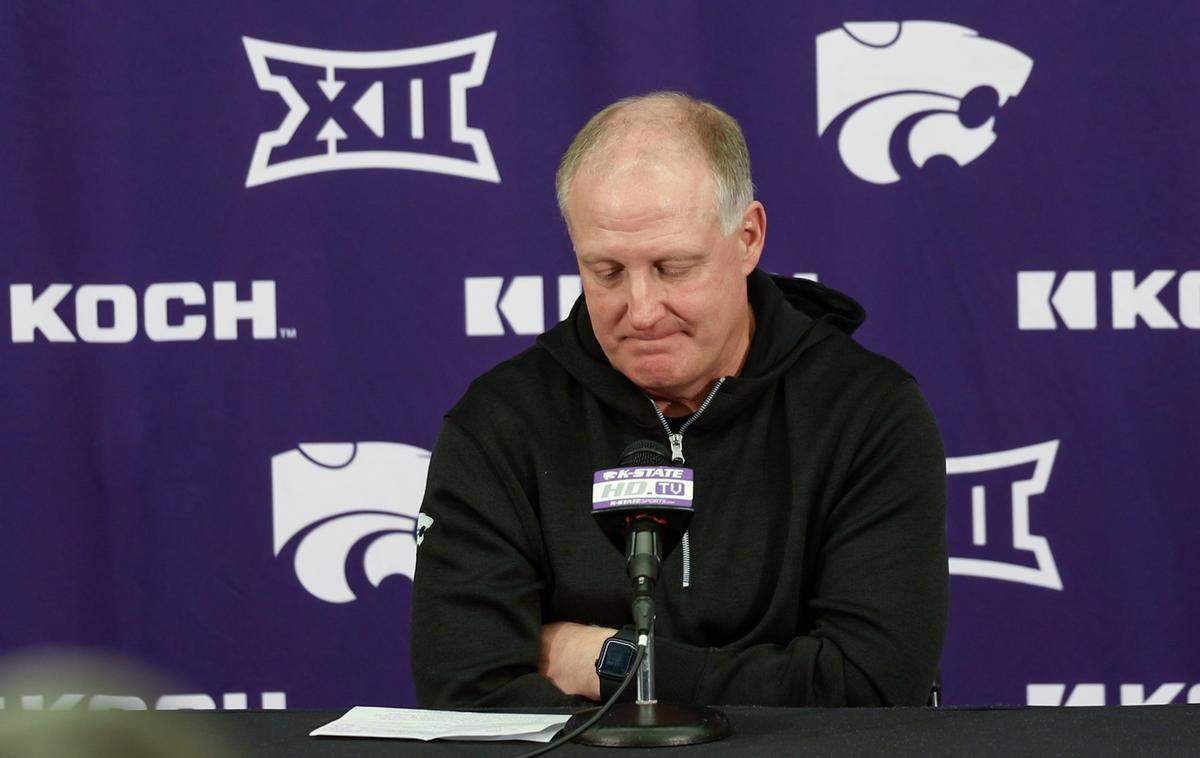
Less than two weeks ago following Kansas State’s crushing 51-47 loss at Utah, K-State coach Chris Klieman began his postgame news conference with what unfolded into a jarring opening statement.
It was really hard to watch.
Through tears and fighting in vain to compose himself, Klieman seemed a man in distress as he spoke of hearing he’d “cashed it in,” and that new leadership was needed, and how he’d given his “friggin’-ass life for this place for seven years.”
When he became so agitated he was unable to speak for some 25 seconds, athletic director Gene Taylor came to his side and made an extraordinarily tender gesture to console Klieman. With his arm around him, Taylor said, “You ain’t going anywhere, brother, OK? Understand that? We’ve got your back. We’ve got your back, OK?”
At the time, Taylor said Wednesday at a news conference in Manhattan, he figured it was just an intense reaction shortly after a painful defeat.
But Taylor recalled his daughter asking if he was concerned about Klieman.
And now we’re left to wonder what that episode might have said about Klieman’s broader state of mind by the time he decided to retire this week at the age of 58.
The reasons Taylor and Klieman gave for an apparently abrupt decision (that was perhaps longer in the making than it might appear) were somewhat vague. But both were nonetheless vehement that it was entirely Klieman’s choice.
In a statement released Wednesday, Klieman alluded to the decision being “the culmination of many factors, including my own personal health.” Taylor also referred to Klieman mentioning his health and brought up “where he was mentally” after a pointed opening statement about how the current climate of college sports is what drove out Klieman.
“And if we don’t get this thing fixed … , if we don’t get this thing under control, more really, really good guys like Chris Klieman are going to walk away from this business,” Taylor said, later adding, “Because they just aren’t ready to deal with what we’re dealing with. We have to get this thing under control.”
There’s a lot to be explored there when Taylor elaborates on what he means.
But with Taylor fighting tears of his own and saying he’s been “a mess all day” and lionizing Klieman’s feats — which included a Big 12 title and six bowl games in the considerable wake of legendary predecessor Bill Snyder — you’d have to be quite a cynic to believe the nagging narrative that he elbowed Klieman aside to make way for widely presumed successor Collin Klein.
Despite reporting by The Star’s Kellis Robinett that he is the heir apparent, Taylor denied that K-State had yet had any contact with Klein, the former KSU star quarterback and assistant coach who currently is the offensive coordinator at No. 7 Texas A&M.
“Absolutely not; I’m not even sure if I still have his number,” Taylor said. “But I guess I’d better find that out at some point.”
Wherever and however all these hazy elements converge, a few aspects are clear.
Klieman did a terrific job at K-State. With a 54-34 record, he’s the second-winningest coach in school history and made the job appealing in ways it wouldn’t have been before. He took over from a legend, demonstrated he wasn’t the only one who could win there and, in fact, left it better than he found it.
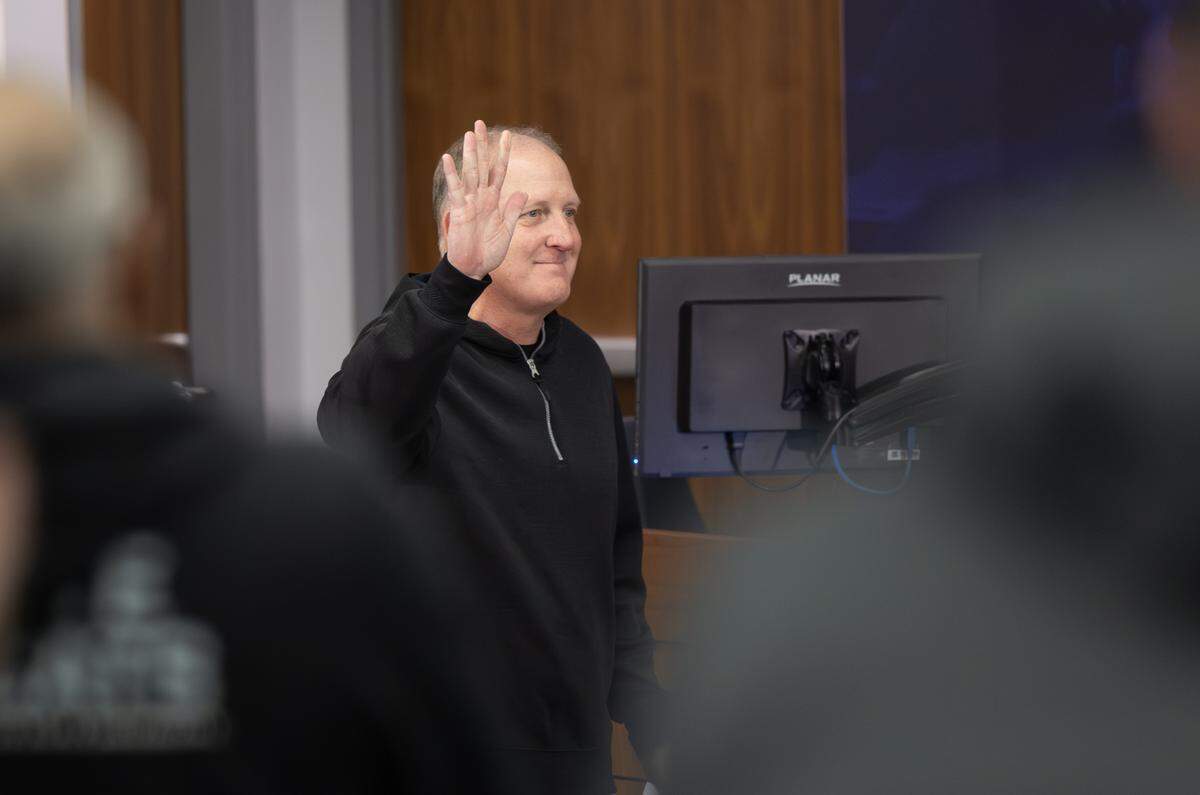
“I am at peace,” said Klieman, who spoke Wednesday for several minutes but took no questions.
That suggestion was quite contrary to what he was feeling at Utah a couple of weeks ago, and who wouldn’t wish this feeling for him?
Beyond that, even this decision is part of his legacy now.
Whatever they might mean when referring to his health and where he is mentally, it’s evident from his words and Taylor’s that the most contemporary demands of the job — including NIL ramifications and the transfer portal — aren’t conducive to improving that.
So discretion is the better part of valor, as the saying goes, for Klieman now.
It’s a shame it’s come to this in many ways, including for the reason Taylor pointed to.
But the reality also is that the evolving new frontier is the coin of the realm, literally and figuratively, if K-State is going to compete for conference titles and more.
And standing aside for someone new to come in — such as the 36-year-old Klein, who presumably will embrace the very things that evidently were disrupting Klieman’s sense of the job — should bring with it a certain sense of closure to what Klieman did for K-State.
He both bolstered the present and ushered in the future — an outcome that’s clearly best for him as KSU seeks to be able to say the same.