
Out of futility to perennial contention, Chiefs have reset Kansas City’s self-image
On the cover of “The Quinton Lucas Sports Journal” the future mayor of Kansas City faithfully kept as a student at Barstow Middle School, Lucas also inscribed a motto of sorts:
“Sports. They’re good for you!!!”
Believe in that notion as he might, though, the now-38-year-old also understood the abiding agony of defeat attached to Kansas City sports of that era.
The Royals were mired in a 29-year postseason drought, for starters. And the Chiefs were amid not just a half-century Super Bowl absence but decades between even playoff victories — a futility made all the more demoralizing by a tendency toward tormenting postseason flameouts.
At times you could feel the whole city sink into depression, former mayor Sly James said on Thursday, and with that came a kind of hovering defeatism.
“We were just accustomed to that nothing good ever happens here (in sports), but we’re good people, so it’s OK,” said Kathy Nelson, president of both The Kansas City Sports Commission and Visit KC.
So numbingly predictable had the fiascoes become that trap doors springing open felt inevitable. The idea of hope was so pervasively vague as to be more like mere yearning.
Which is to say the sentiment that writer Nick Hornby referred to as “the hope that stings like chlorine,” author and Chiefs fan Michael MacCambridge recalled.
“That sense it could all go wrong,” MacCambridge said, “and it hurt to hope that much.”
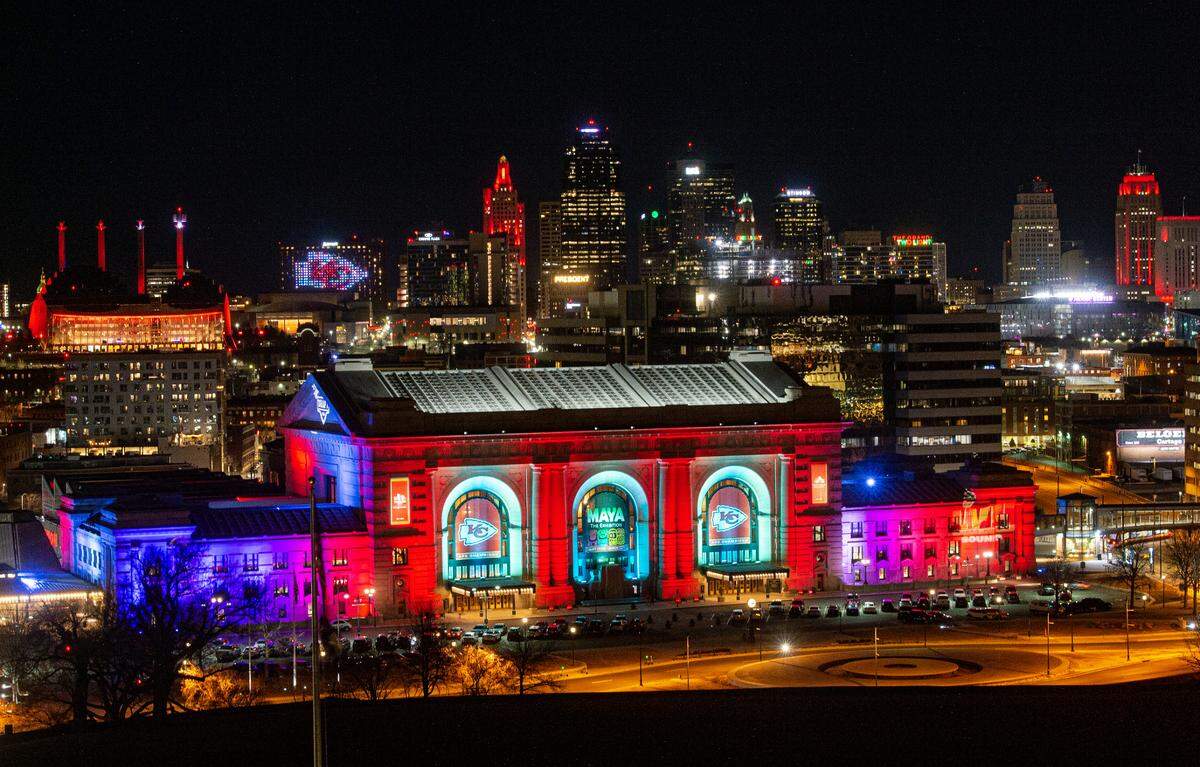
‘Just another year in Kansas City’
So entering the playoffs one night in the mid-to-late 1990s, Lucas called into what he remembered as The Star’s “hot-take line” to sum it all up.
“I said something intimating, ‘We’re likely to lose again,’” he recalled by telephone on Wednesday. “‘Just another year in Kansas City.’”
All of a sudden, just another year in Kansas City means this:
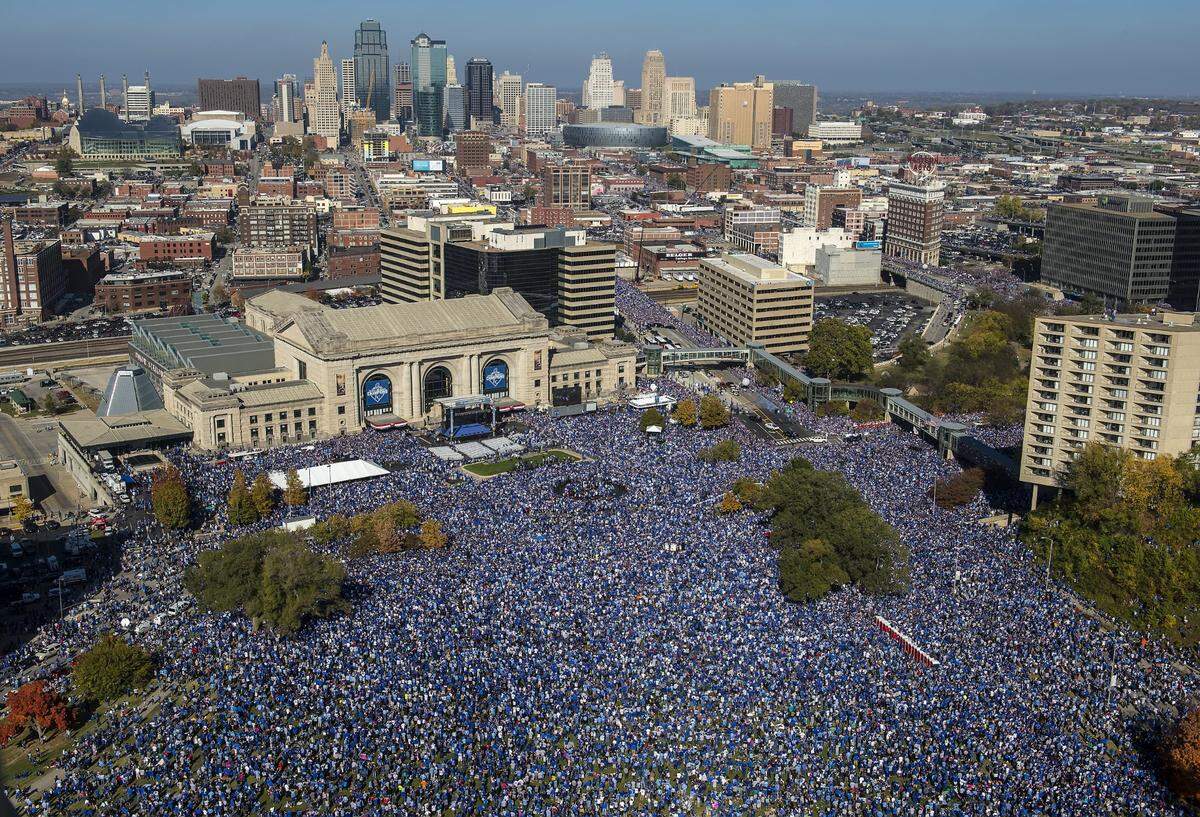
In the last decade, Sporting KC won the MLS Cup (2013), and the Royals won back-to-back American League pennants and the 2015 World Series.
Most profoundly, the Chiefs have played host to five straight AFC Championship Games and are bound for their third Super Bowl in four years when they take on Philadelphia next Sunday in Arizona.
“We are,” Lucas said, “a championship city now.”
One with a certain energy that comes with 53 million people watching the Chiefs beat the Bengals in the AFC Championship Game — and more than 100 million expected to watch the Super Bowl — at a time when Kansas City rightly feels it has plenty to show off.
“The Chiefs success is a linchpin for a lot of the (other successes) that we’re having right now,” Lucas said.
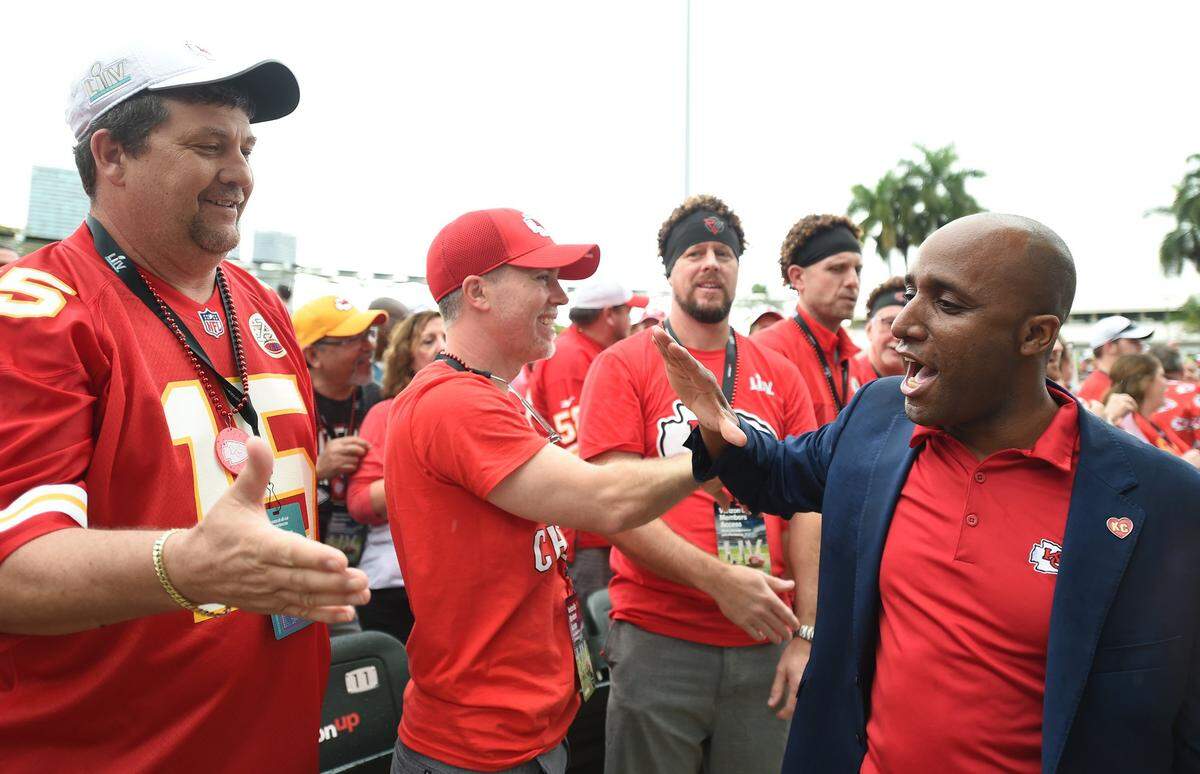
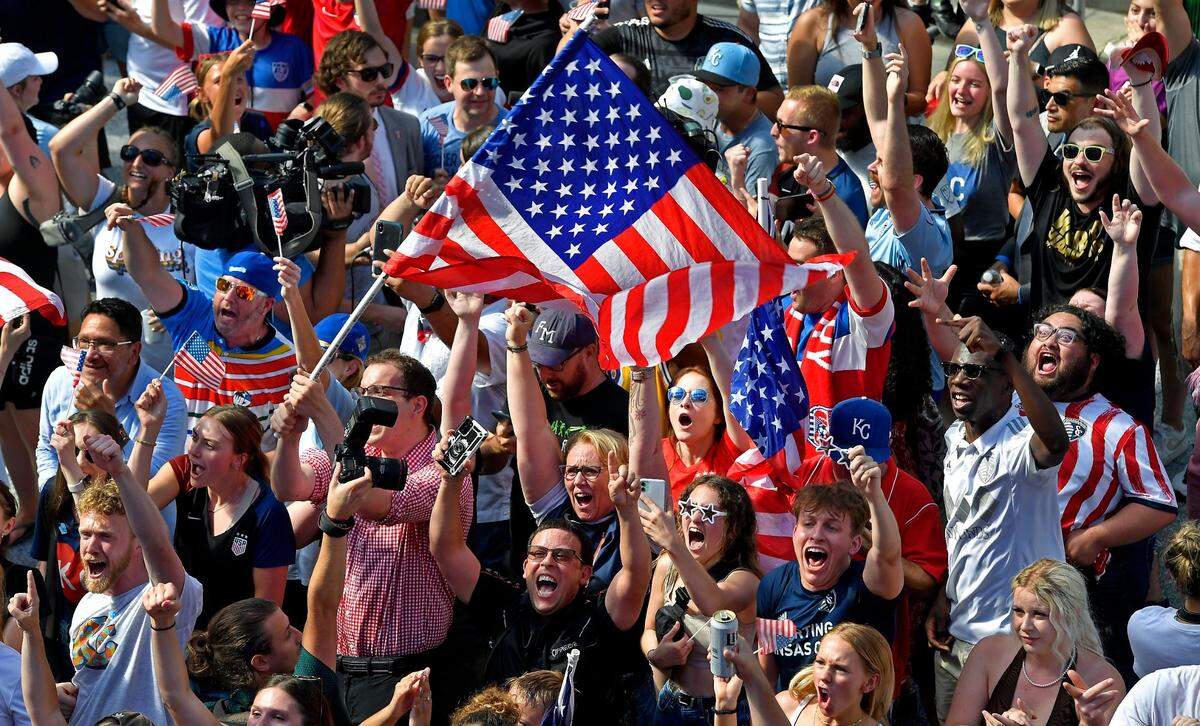
From the new Kansas City International airport opening at the end of the month to the NFL Draft (which will take place here in April), from the KC Current’s groundbreaking endeavors in the world of women’s soccer to the streetcar expansion and the ongoing preparation for hosting games and base camps during the World Cup in 2026, now seems the perfect time to beckon such a spotlight.
“This roll the Chiefs have been on has elevated this city in the consciousness of so many people across this country,” Negro Leagues Baseball Museum president Bob Kendrick said, speaking from experience with his endless travels. “A city that maybe people once upon a time looked over as almost a flyover city.”
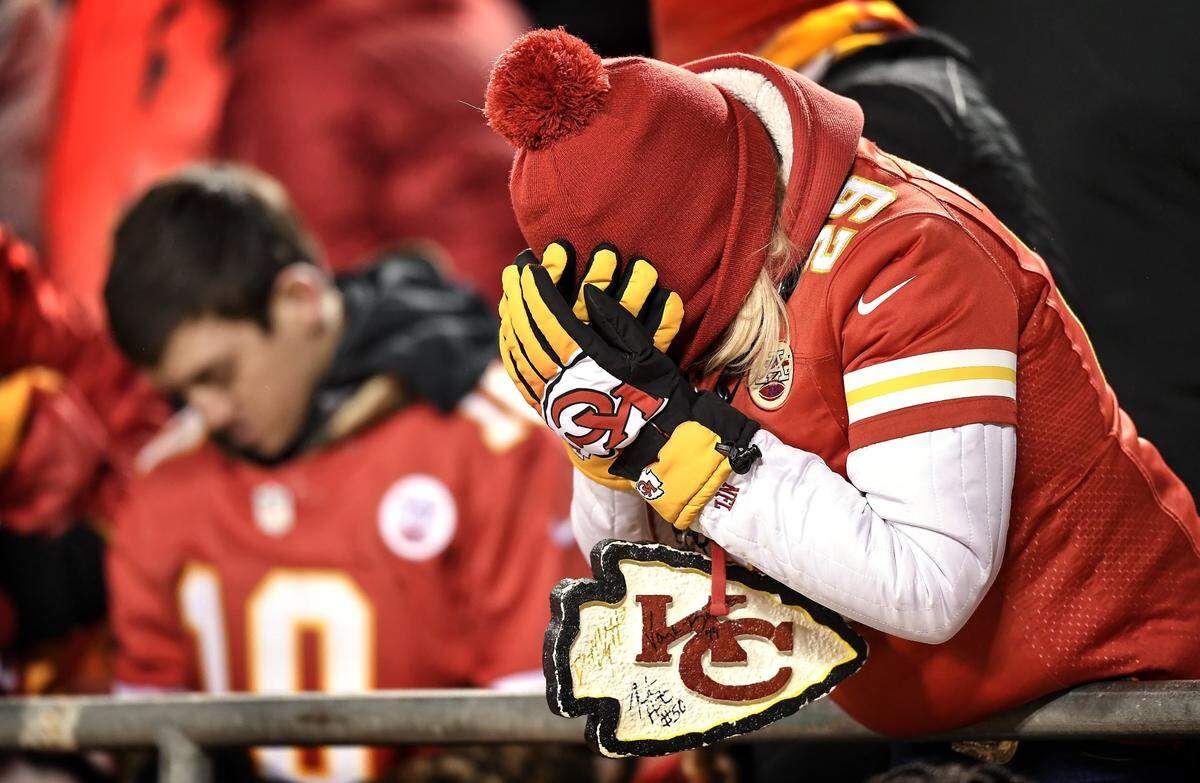
It’s hard to overlook it now.
“If you have a house, and your house shows up on the evening news as some neat place to be all of the sudden, then you’re really proud of your house,” James said. “Well, the Chiefs have put Kansas City’s landmarks on television for the last five years, and it’s seen all over the world.
“And people come here … with newfound understanding of what Kansas City is.”
.JPG "LIN ELLIOTT FOOTBALL CHIEFS COLTS(3).JPG")
Chiefs and KC self-image intertwined
As the phenomenon of the Chiefs has provided a picture window into a Kansas City on the move, that image also is burnished by the winsome face of the team now entwined with our own image.
Patrick Mahomes, who is likely to win his second NFL MVP award and is a candidate for the league’s prestigious Walter Payton Man of the Year award for community service, isn’t just a singular “magic unicorn,” as MacCambridge likes to call him, who changed the paradigm on the field.
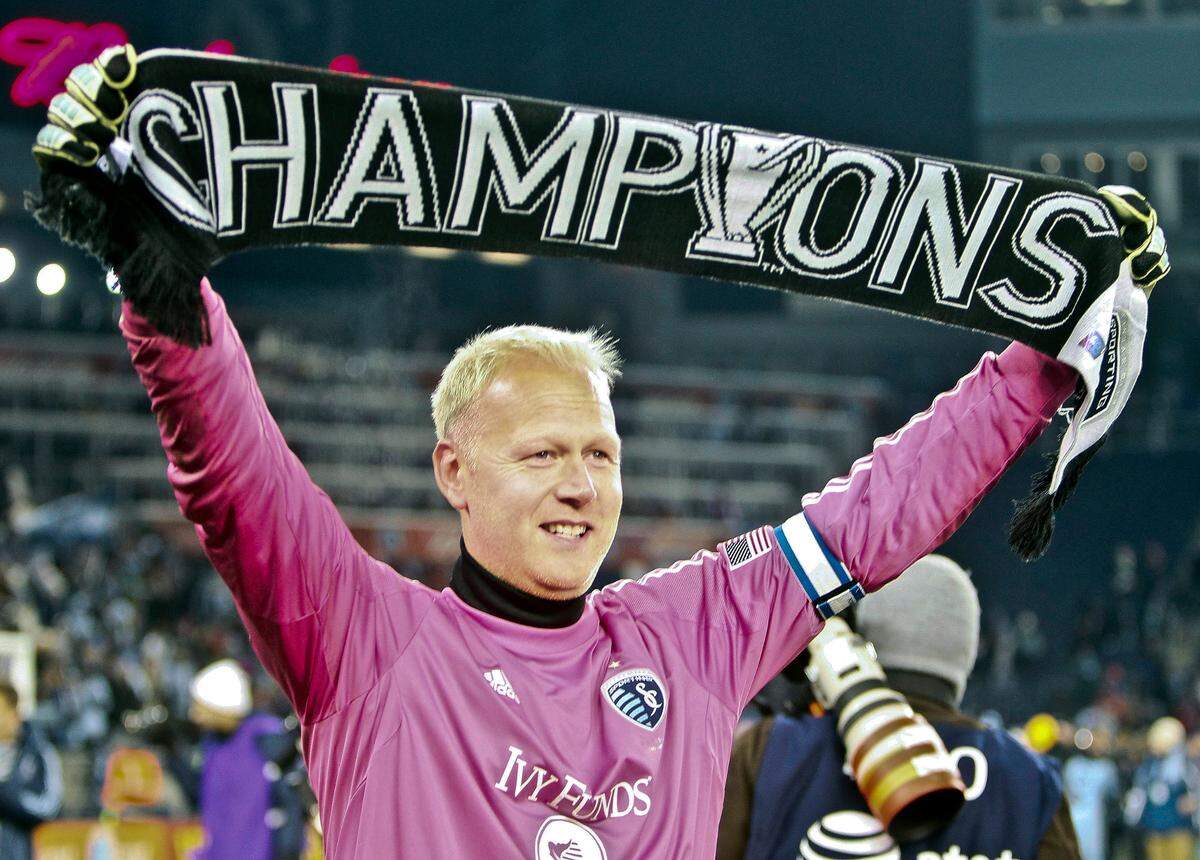
He also is among the most-recognized athletes in the world. From Africa to Italy to Qatar and about anywhere in between, Mahomes essentially represents Kansas City.
Luckily for us, he isn’t just infinitely appealing and dynamic on the field but also possessed of a demeanor that makes him about exactly who we’d like to have be our face to the world.
“I think Patrick has a huge role in terms of what kind of the Kansas City identity and viewpoint is all about …” Lucas said, noting Mahomes is as polite and pleasant when the cameras aren’t rolling as when they are.
That association is reinforced by Mahomes’ stakes in the Current, Royals and Sporting, not to mention Kansas City-area Whataburgers.
Or such gestures as his repeated inclination to wear a Kansas City Monarchs shirt, which Kendrick takes to mean “the outstanding young man” just “gets it” about both the city and the history that helped create his own opportunities.
“There’s an awareness that he’s investing back in our city,” Nelson said. “And if you’re a fan of Mahomes, then you kind of have to be a fan of Kansas City, because he represents our city so well.
“People feel attached to him, and I think that just passes through as an attachment to Kansas City.”
But there’s another dimension to this.
This burg is BIRG-ing
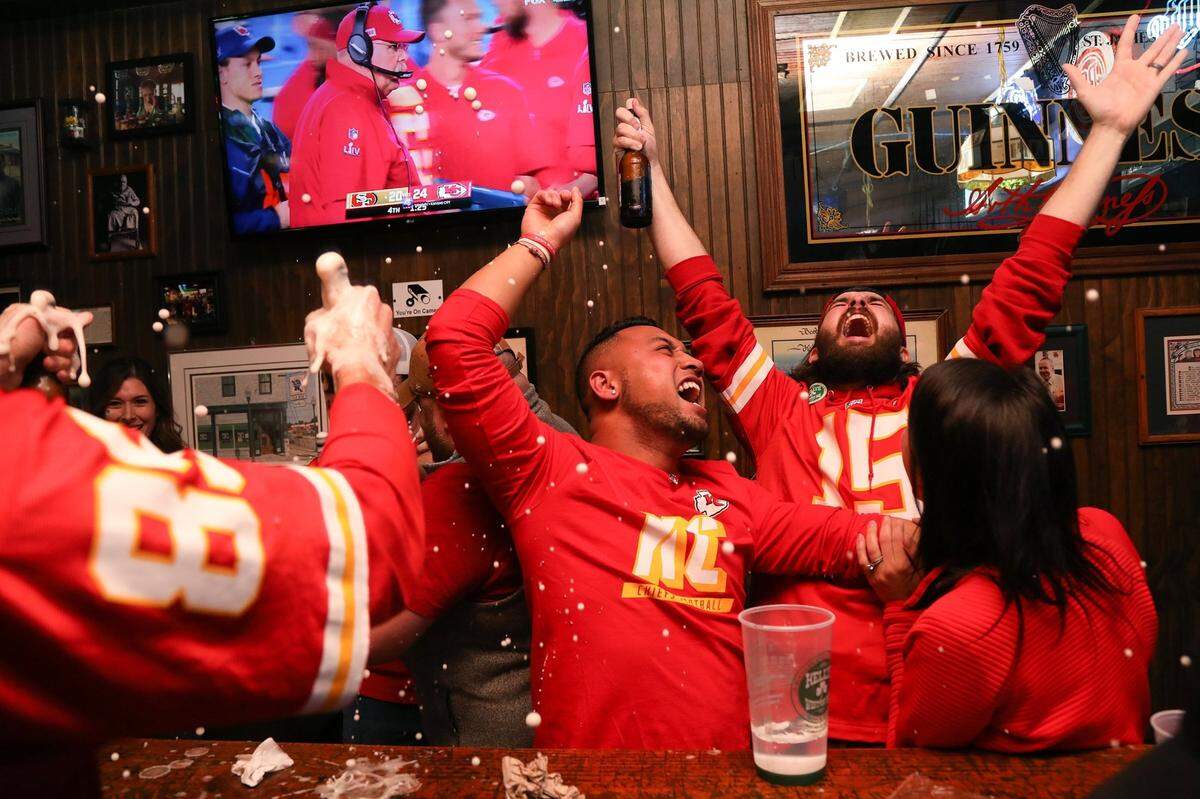
This isn’t just about the sense of how others might see us differently but, in fact, in our own self-image through what sports psychologists call “basking in reflected glory,” aka, BIRG-ing.
As defined by the American Psychological Association, that’s the “tendency to enhance one’s self-esteem by heightening one’s association with a successful or prestigious group.”
“If you’re talking about the self-identity of sports fans from the Kansas City area, for a long time you could never say that winning is a part of your identity,” said Dan Wann, a devout Chiefs fan, professor of psychology at Murray State and co-author of “Sports Fans: The Psychology And Social Impact of Fandom.”
“Now,” he added, “it is.”
Or as Kendrick put it: “I think for those who don’t understand the power of sport and what it means to a city and to a community, you need look no further than the Chiefs. Winning permeates. Winning changes your mindset. Your disposition. And you don’t necessarily have to be a football fan. You’re still in the midst of it, and you’re feeling it.”
And if momentum can build through sports victories or in business dealings, Wann said, that also applies to cities in terms of seizing the moment.
The pursuit of the World Cup might be seen as a case in point.
Against a backdrop of the Royals World Series and Chiefs Super Bowl triumphs and the approval of construction of a new airport in 2017, the more the sports commission was awarded NCAA championship events, the more became possible.
Each breakthrough for what she also likes to call a “city of champions,” Nelson said, “makes us a little more bold” and willing to go after things they might never have thought possible before.
To say nothing of helping generate feelings that weren’t possible before.
While the mood generated by a Chiefs team that’s now a perennial contender is no substitute for solving social issues, Wann said, “There’s no doubt it can impact the mindset of a community, and there’s no doubt that a successful sports team can give a community a sense of pride.”
Lucas can feel that vibe all around him, whether with Kansans or Missourians, Republicans or Democrats or politicians from larger markets around the country asking about the Chiefs.
Uplifting as this all is right now, James urges Kansas Citians to heed the lessons of 50 years ago — when a new airport and stadiums were built and “we just stopped, and things went to seed.”
Coincidentally, that was right about when it turned that way for the Chiefs — who won just three playoff games between Super Bowl IV in 1970 and the 2015 postseason.
Now they’re at a point where Wann wonders if fans will begin to grow apathetic about reaching the AFC Championship Game year-in and year-out if the Chiefs don’t win another Super Bowl now or soon.
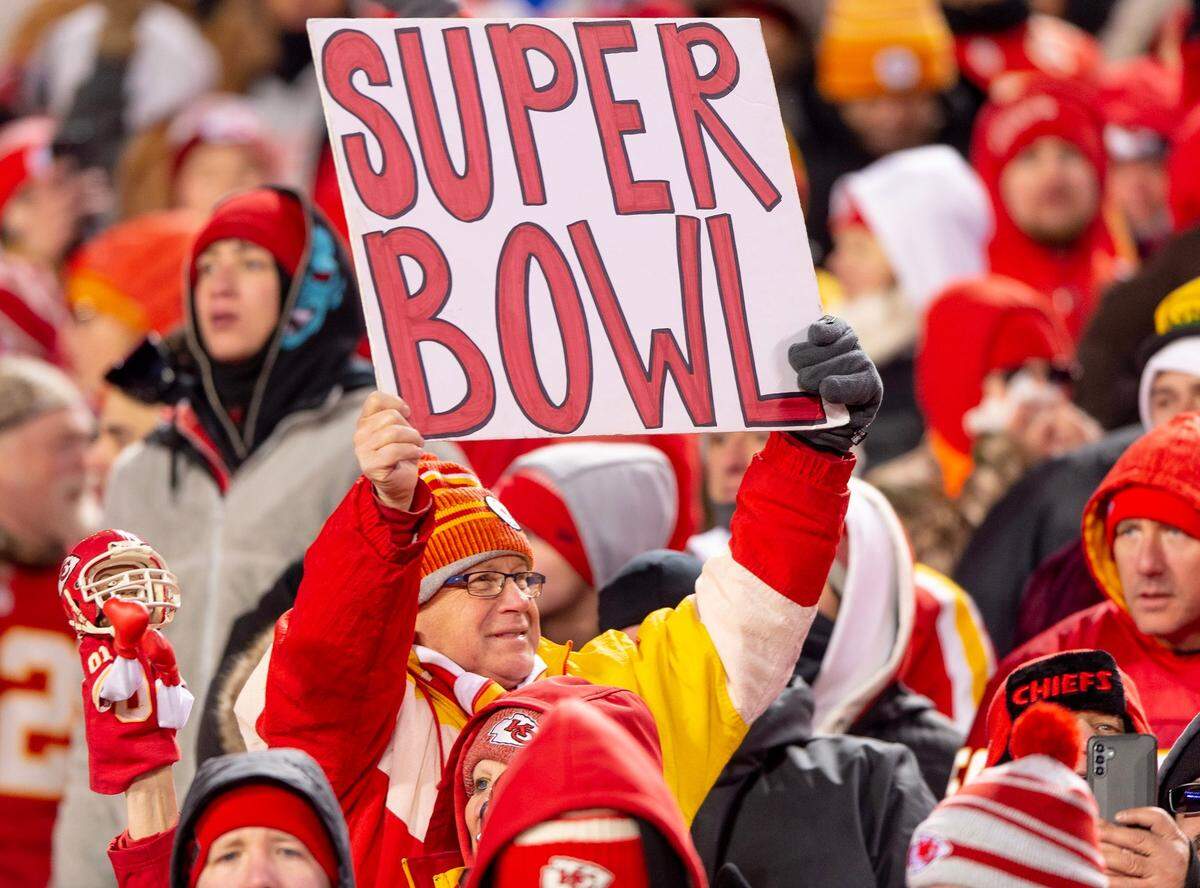
Maybe that’s coming.
But it still seems a ways off, doesn’t it?
If not, it should be.
Because this is a fine time to pause and cherish how this has changed in the Mahomes-Andy Reid era.
Even if the Chiefs lose to the Eagles, James figures most fans will be saying, “You know what? We’ll be back next year.”
Because this isn’t aimless hope that hurts too much anymore.
It’s a faith that only a few years ago was unthinkable.
This story was originally published February 6, 2023 at 6:00 AM.