
A hungry heart, 12 cents and Vietnam have changed Mike Alden’s life
Restless with jet lag on a Nike trip to Vietnam 10 years ago, the first overseas trip of his life, then-University of Missouri athletic director Mike Alden wandered out of a luxury hotel in Ho Chi Minh City around 5:30 a.m.
Standing at a chaotic intersection of five roads converging with infinite motorbikes zooming by, Alden tried to figure out how to navigate the way across. “Like playing Frogger,” he calls such crossings now, perhaps channeling George Costanza’s moves on a “Seinfeld” episode.
But on this occasion, his way was made simply thanks to an older Vietnamese man taking his arm and slowly walking him across the road.
Watching people board a ferry across the Saigon River, Alden had an impulse to join them. For about 12 cents in U.S. currency, he set off on an adventure that ultimately changed his life and has had a substantial impact on many others.
He exited the ferry into a gritty but bustling area where he could feel the energy and goodwill by people looking him in the eye and smiling. Unable to speak the language and the only “European-looking person” there, Alden ate a bowl of pho from a street vendor and was touched that so many wanted to make him feel welcome.
All of that was “my trigger,” he says now, the spark for an immersion in Vietnam that his wife, Rockie, calls so removed from his previous role that “it seems almost like a pipe dream.”
The change gained momentum subtly. Invited back by Nike in 2012, Alden eagerly returned and was struck anew, particularly in the rural home of a woman using an old pedal sewing machine to make piece material for shirt pockets.
That spurred him to help expand Nike’s micro-financing program, which offers small loans at token interest rates for those so poor they don’t have access to traditional financial institutions. Soon after he retired as MU’s AD in 2015, he went back with Nike to help present loans.
Turns out that was just a start — both in the new course of his life and as a catalyst of a deep and multi-tiered Mizzou initiative in Vietnam.
The Vietnam Institute of MU lists Alden as a “core member” and “associate teaching professor,” but that only begins to define his collaborative, coordinating role.

“It’s a Mike Alden production,” said Anne-Marie Foley, MU’s director of service-learning, laughing and adding, “Everything gets really big, really fast.”
Or, as interim provost Jim Spain put it, Alden is an “Energizer bunny” in connecting what has become an elaborate program.
In conjunction with everything from MU’s International Center to Foley’s office to MU Health Care to the MU International Trade Center, from the colleges of business, education and human environmental sciences, Alden has been instrumental in galvanizing endeavors there that now include a partnership with an AIDS/HIV center and an orphanage for blind children.
In the same span, Mizzou has further developed an international trade internship program and now offers an American high school program affiliated with a Vietnamese school …
And then some. And more to come, he vows.
This has consumed Alden almost since retiring and kept him largely out of view; he publicly resurfaced only recently with news that he has become a senior adviser to UMKC Chancellor C. Mauli Agrawal regarding the school’s athletic future.
He’s been to Vietnam nine times now, often for weeks, because the mission has given him what he considers fresh purpose in life.
If it seems like a curious twist, it’s mostly a heck of a reminder that we often see sports figures through only that shallow lens and forget it’s just one dimension of who they are or might become — especially if their soul seeks a more meaningful calling.
Now the man who raised hundreds of millions of dollars for MU athletic facilities might at any given time be working on, say, funding community clinics for people affected by Agent Orange; trying to further develop relationships with the U.S. Embassy or various universities in Vietnam and schools in the U.S.; playing with orphans and, and, and … so many other things he can hardly contain himself.
“Can you believe this?!” he said during a visit to Kansas City last week for the UMKC work that he preferred to defer to Agrawal to expand on.
In fact, as he talks about the role for which he is paid only expenses, he radiates an enthusiasm unlike anything he ever revealed to the world when he was MU’s AD from 1998-2015.
Alden cherishes his career as an athletics administrator and knows this stage only would have been possible with that behind him.
Still, he knows there is a different tier of significance to what he now does. And maybe it’s liberating, too, not to have to contend with both the routine stresses and the stuff you could hardly make up that he faced on the job in Columbia.
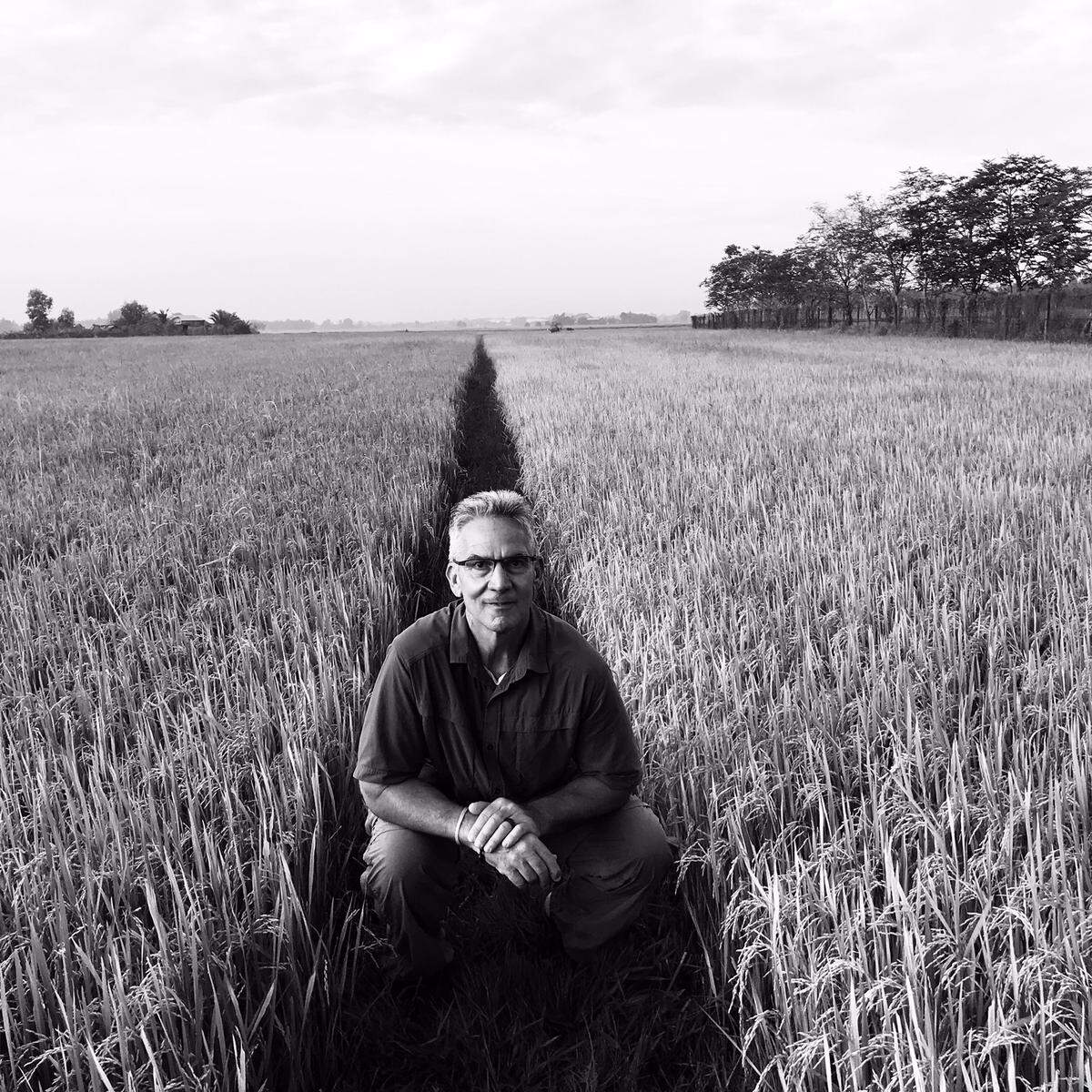
Add it all up, and Alden’s faith tells him that everything took place in due course to bring him to this chance to “try to contribute to something greater than winning a football game or putting together an athletic program — how could you have scripted that better?”
The script went along these lines: When Alden, now 60, retired, he took a teaching position in the College of Education and told MU officials he’d like to do some international work in Vietnam.
He was met with some curiosity but not resistance. So off he went, first turning to Jim Scott, director of MU’s International Center.
Soon, he got involved with Foley and the service-learning program, which takes students to Vietnam for three to five weeks for humanitarian work with organizations for marginalized populations.
“As you can imagine, his remarkable skill set, paired with a real heart for this kind of service, it’s just been an unbeatable combination,” Foley said.
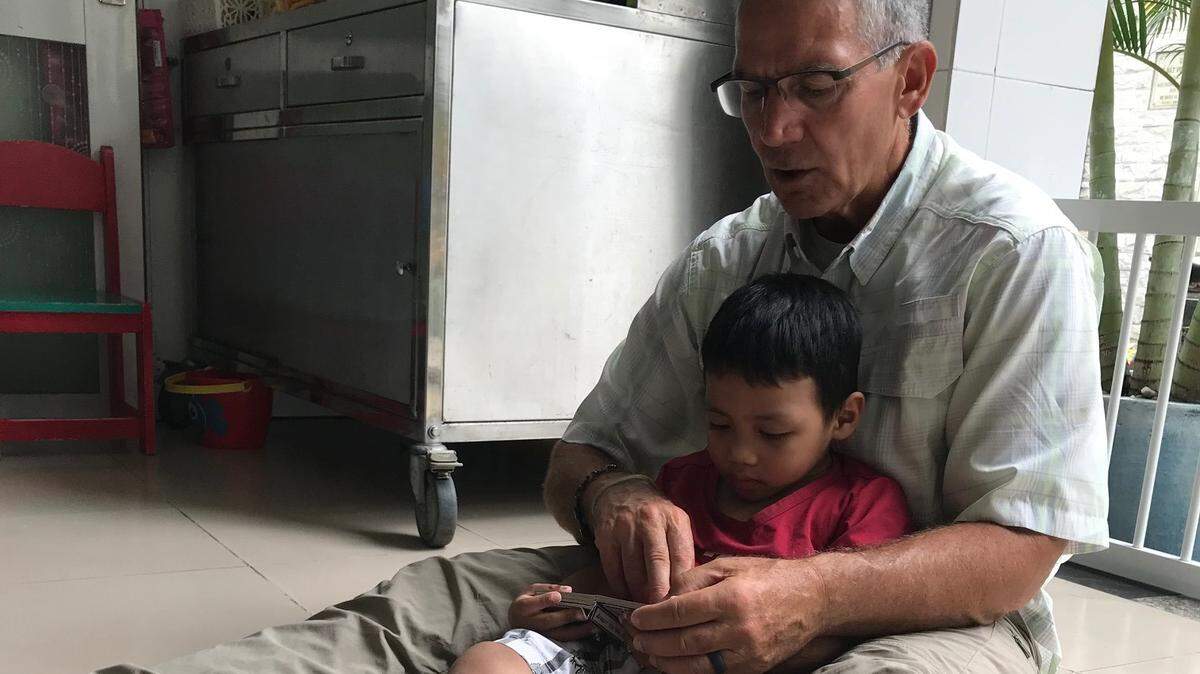
Emphasis on heart: For all they do in Vietnam, maybe nothing moves Alden and Foley more than spending time directly with MU students (dozens have gone in the past and are there now) and the children who are HIV-positive or blind or have been left on the street, kids that typically are orphaned, bullied, shunned and traumatized.
Across language barriers, they work on everything from self-esteem to social skills, character to posture, and just “how you look and feel today,” Alden said. Sometimes, they just play games, from roughhousing to soccer (using “sound balls” with the blind).
But it’s the reciprocating feeling of being there that perhaps most resonates for Alden, seeing MU students blossom from the experiences and learning from those they meet. Whether it’s as simple as being able to count to 10 in Vietnamese or the more broad sense of understanding and empathy for their lives and values that they can absorb every day, Alden knows this is mutually beneficial in unpredictable ways.
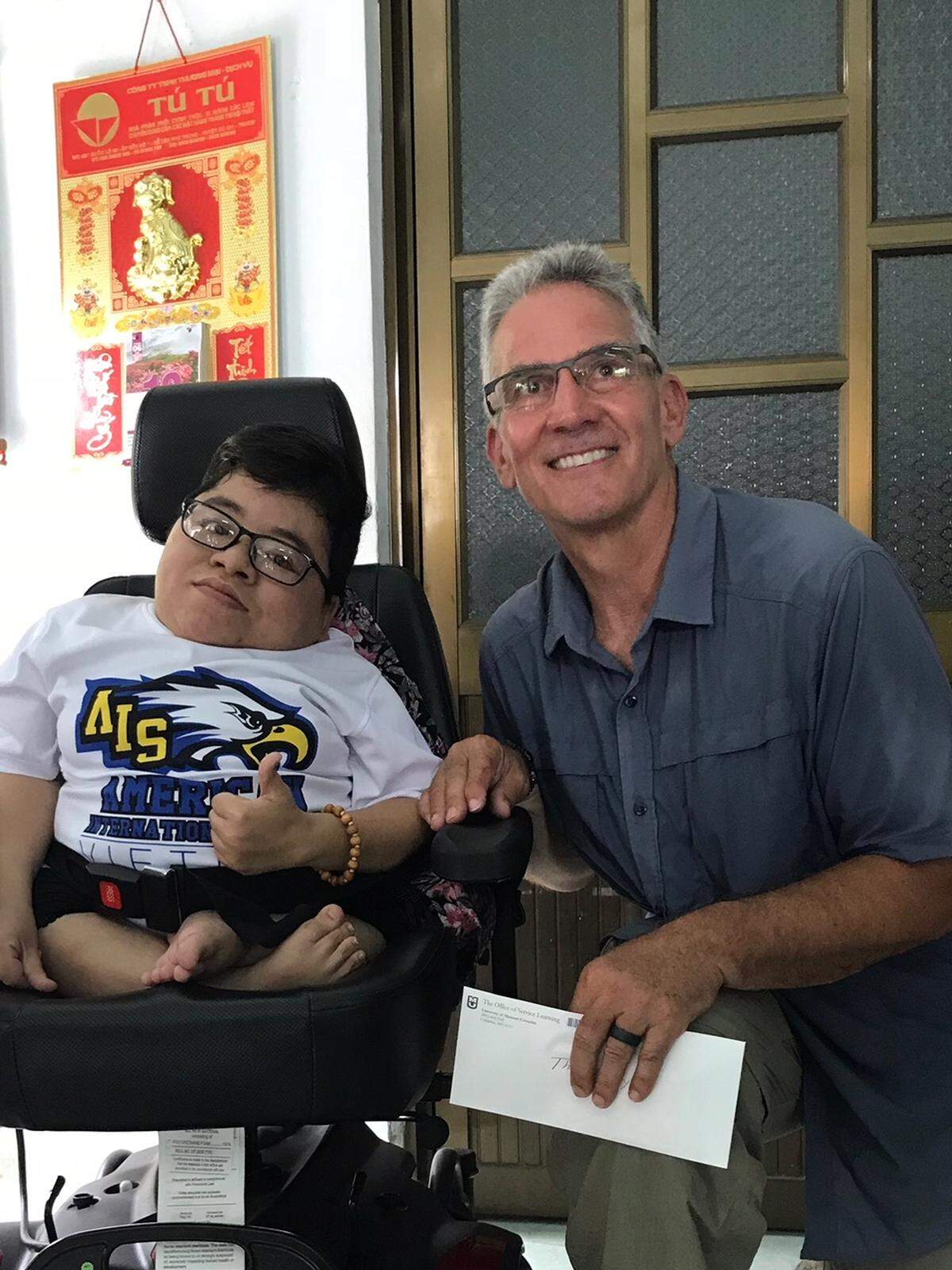
To wit, on one chance encounter, Alden and a friend in a remote coffee shop met American actress and filmmaker Elizabeth Van Meter. She had made a documentary called “Thao’s Library” about her friendship with a young woman, Thao, who had severe birth defects because of exposure to Agent Orange, the Vietnam War defoliant.
That led Alden to visit the library and meet Thao, whose spirit filled him yet more.
At the root of that documentary is another driving point of connection for Alden with Vietnam: He feels something more because of, not despite, our tragic shared history.
Like many of us of a certain age, his inescapable first memories of Vietnam were the televised nightly accounts of devastation throughout the country and the piercing estimated counts of how many were killed or missing in action that day.
The United States suffered more than 58,000 fatalities in the Vietnam War, more than 150,000 hospitalized with severe wounds and numerous more harmed in profound psychological ways.
Meanwhile, who can begin to quantify the impact on Vietnam beyond the numbers? Per Brittanica.com, the Vietnamese death toll was “as many as 2 million civilians on both sides and some 1.1 million North Vietnamese and Viet Cong fighters. The U.S. military has estimated that between 200,000 and 250,000 South Vietnamese soldiers died in the war.”
So Alden had concerns before his first trip there.
“I thought that they wouldn’t want to be around us, that they would hate us,” Alden said. “Quite the contrary: They actually embraced you. The belief in that country about loving compassion, about tolerance of things, and ultimately about forgiveness, it’s fascinating to me.”
But it’s a history that shouldn’t be ignored in either country, Alden knows, from the lessons hopefully learned to appreciation of those who suffered so much and the chance to be part of the ongoing healing.
“We certainly understand how important it is to have compassion and love other people,” he said, “to have tolerance for things and to have forgiveness.”
Meanwhile, he’s also come to understand more about himself through this.
“It’s changed me. I look at things in a different way,” he said. “I have much more of an appreciation for the value of things — value being not material things but relationships.”
People tell him, “You’re so much more patient, you’re so much more relaxed.” The intensity still is there, yes, but it’s harnessed differently — in ways that will be more lasting and say a lot more about his legacy in life than anything he did in athletics.
All because of a restless night and a search for just something more out there.
This story was originally published July 19, 2018 at 4:57 PM.