Could a downtown stadium for the Royals mean a new Kansas City? Here’s what we know
READ MORE
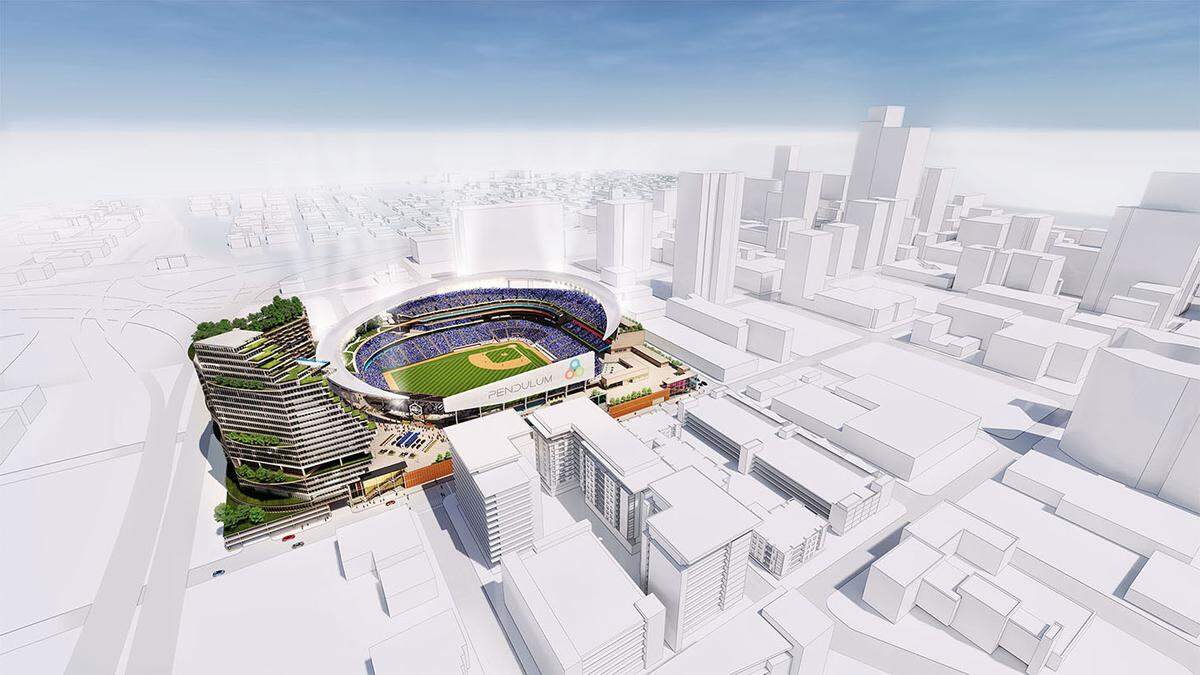
Downtown Kansas City Royals ballpark
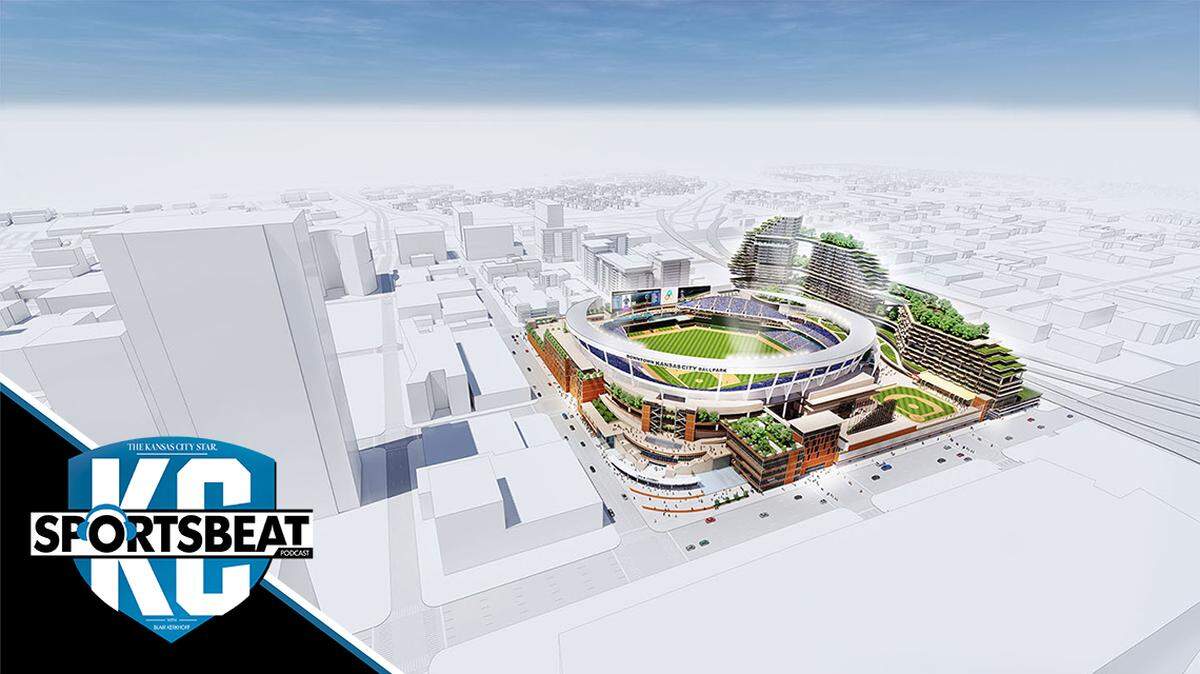
The Kansas City Royals owners have raised the idea of a downtown baseball stadium. That has worked in other cities, but will fans give up Kauffman Stadium?
Expand All
The truth is that John Sherman started thinking about a downtown ballpark before his investment team bought the Kansas City Royals. Now that he’s gone public with the fact that the club is exploring a move, some challenges have come into focus.
The Royals face hurdles: site location and funding, to name two big ones. Those have been overcome in other cities, as we’ll discuss later.
But the challenge in Kansas City is different than it was in Minneapolis or San Diego or Cincinnati or San Francisco. Those cities did not already have a ballpark popular with fans for its aesthetics, history, convenience and familiarity. Those cities could skip right to the steps about specific locations and design.
Nobody was nostalgic about the Metrodome, you know?
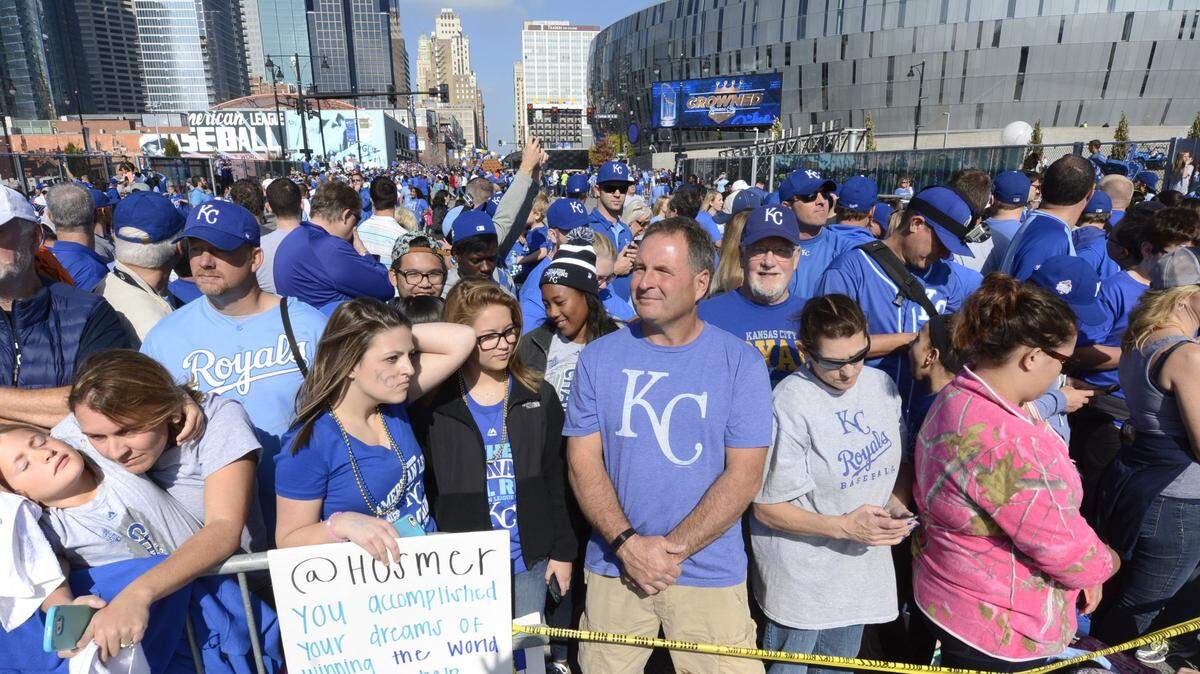
The Royals’ situation is different. Kauffman Stadium is generally popular. For a downtown ballpark to work, Kansas Citians will have to be convinced that not only is it worth the cost but that it’s worth leaving a stadium that most fans still like.
So the Royals’ task is not just about figuring out whether this is what they want to do but, if so, to present the case to fans and Kansas Citians that this is a project worth supporting.
“I think about it as much more than a ballpark,” Sherman told The Star. “Look, (Kauffman Stadium) is great. It’s a beautiful place to play. From a baseball perspective, you’re there 81 nights a year, you have a ballpark and you have a parking lot and it’s a great place to play and we may end up there a long time.
“But if you look around the country and you see what’s happened in these cities where you create more vibrancy, some that have been there a long time and some that have been impacted in the short term — I just think there’s a lot of potential there.”
This is once-in-a-lifetime stuff. Kauffman and Arrowhead stadiums were built 48 years ago, and each has served its team well. A new baseball stadium could be among the biggest construction projects in downtown history, costing somewhere in the neighborhood of $500 million to $1 billion, based on recent new stadium costs in other cities.
Sherman and his team would have a thousand hurdles to clear, from site choice to land acquisition to — most critically — funding. Sherman’s investment group would contribute heavily, but they might need more than even an extension of the existing 3/8-cent sales tax in Jackson County to make it happen. Options could include a higher tax or a bi-state tax that would ask for contributions from Johnson and Wyandotte counties.
The Chiefs would demand a match of any public money the Royals received. We will get into all of that later, too, but first it’s worth a pause to unveil another open secret: The Royals are framing this as an exploration, and that’s true, but a lot of the questions the public might ask already have answers.
The most basic is that more than half of Major League Baseball’s 30 teams have built new downtown ballparks since the turn of the century. From San Diego to Washington, D.C., new urban stadiums have revitalized struggling parts of cities, boosted surrounding businesses and helped attract young professionals.
“Placed in the right location,” said David Ficklin, who helped design Children’s Mercy Park and the Sochi Olympics, “there has not been a downtown baseball stadium built in the last 20 years that has not been a massive success, in terms of breathing new life into the sport and breathing new life into the real estate around it.”
The viability of this particular project will be largely determined by public reception, perception and, ultimately, ballot support.
So what exactly is the public appetite for such a project?
“That’s what we’re trying to find out,” Sherman said.
The case for KC
Here’s something that’s critically important and easy to miss: Pushing Kansas City forward is not just about creating the best Kansas City for us.
It’s about creating the best Kansas City to draw in more people.
The world is shifting. Corporations today must recruit their talent. The best young professionals have leverage that previous generations didn’t, and they are choosing jobs based not just on pay but also quality of life.
Companies here must recruit not just against each other and not just against companies in other places — they must sell Kansas City as a great place to live when the alternative might be Nashville, Austin, Salt Lake City or elsewhere.
“We don’t have as compelling a case as we’d want, and we need to focus on downtown,” said Cliff Illig, co-founder of Cerner Corporation and part owner of the Sporting Kansas City Major League Soccer club that built a new stadium in Kansas City, Kansas, a decade ago. “The ballpark is a tremendous addition to a downtown that over time can be much more the centerpiece for young people, where lifestyle is a big reason why they want to work someplace.
“It’s not just about having a great downtown. We need Kansas City to have a reputation as a growing environment that is highly attractive to young, career-minded people. We have to have an identity. We have to have something we project: ‘Kansas City is known for dot-dot-dot.’”
Done right, a downtown ballpark could be a destination for millions of visitors a year, giving old businesses new customers and new businesses a broader platform.
Included in Sherman’s stated criteria for a potential move is the premise that any newly constructed venue would have to exert a positive influence on the overall quality of life for Kansas Citians, “with a particular focus on our underrepresented parts of the community.”
Asked about those comments specifically, Sherman talked of the responsibility he feels to run the Royals “in the spirit of Ewing Kauffman” and the current ownership’s track record of acting in the city’s greater good.
Asked if what he’s saying could be summarized as an intentional effort to combat gentrification, Sherman gave a lengthy answer.
“That’s right. I would say you’ve captured that. And we would hope that we could stimulate development that would increase amenities for different income levels, with housing, jobs, on a long-term basis. You’re exactly right. If we just do something and everybody that lives there moves out and it’s not improved for their quality of life, I don’t think that’s a win-win. That’s front and center in how we think about it.
“We have feedback from different parts of the community about that. That there are projects that may or may not have been sensitive to that, and we would want to make sure that, if this works, we are sensitive to that. And we do it in a way that we’re not just trying to check a box, but we do something that’s sustainable for all parts of our community.”
Kansas City already has some public transportation and more than 20,000 people living downtown, so fewer parking spots would be needed than at the sports complex — though downtown already has more parking than the sports complex.
Think about this: If you dropped the Truman Sports Complex into downtown, it would take up almost the entire loop. People already regularly park up to a mile from Children’s Mercy Park for Sporting KC soccer matches — essentially the same distance as Crown Center to T-Mobile Center.
Imagine those distances filled with bars, restaurants and shops instead of asphalt. Sherman has seen traffic and parking studies and believes that when those are made public, the concerns about convenience could be eased.
“There’s a number of things we could do,” he said. “Everybody thinks about parking and convenience. If we do something like this and it’s done right, with infrastructure and things, it would be important to us that this would be convenient but would also create a lot of opportunity that doesn’t exist today.”
In other cities, new downtown ballparks have inspired new residential and commercial development, expansion of public transportation and a crossing-of-the-threshold level of energy, pride and commerce: more walkability, more urban neighborhoods, more safety.
But even if we all agree that Kauffman Stadium is a great place to watch a game, a move downtown could also enhance and modernize the existing sports complex. The Chiefs would have several options, all of them good.
They could build their own new stadium where Kauffman is now and skip the temporary relocation and inconvenience that (for instance) the Vikings experienced when they built their new stadium where the Metrodome used to be.
Or the Chiefs could renovate Arrowhead and turn the Kauffman site into additional parking or (more likely) a smaller-capacity outdoor event space — sort of an Azura Amphitheater for the other side of Kansas City.
In summary: Sherman’s vision of a new ballpark would have plenty of existing parking and follow a model laid out by other cities in building a stronger and more vibrant downtown. That would potentially spur more development and public transportation and attract young professionals, all while watching out for the underserved and allowing the Chiefs more space to serve Kansas City even better.
“We want to do what’s best for Kansas City,” Sherman said. “And if we can help make this a win-win for everybody — the Royals, the Chiefs, the community — that’s our objective here. That’s why we threw it out there — that we’re not just going to be reactive.”
Architectural muscle
The conversation happened a few years ago, and the name will be protected here because it was a casual interaction long before Sherman announced the Royals would explore the possibility of a downtown ballpark, or even bought the team.
The point was made to a leading stadium architect that with so many of the world’s best firms in Kansas City, the competition to land a potential project in their hometown would be fierce.
“You know what’s funny,” this architect said, “is I think we’d all team up. Like an all-star team. You never know, but some of us have talked about that.”
Business is business, so maybe that couldn’t happen, but the point is that the best stadium architects on the planet live in Kansas City, and they have been waiting for a project like this. These architects have designed successful stadiums all over the globe and would bust their blueprints to make sure their new hometown ballpark was state of the art.
What would that mean? For starters, the players would like it.
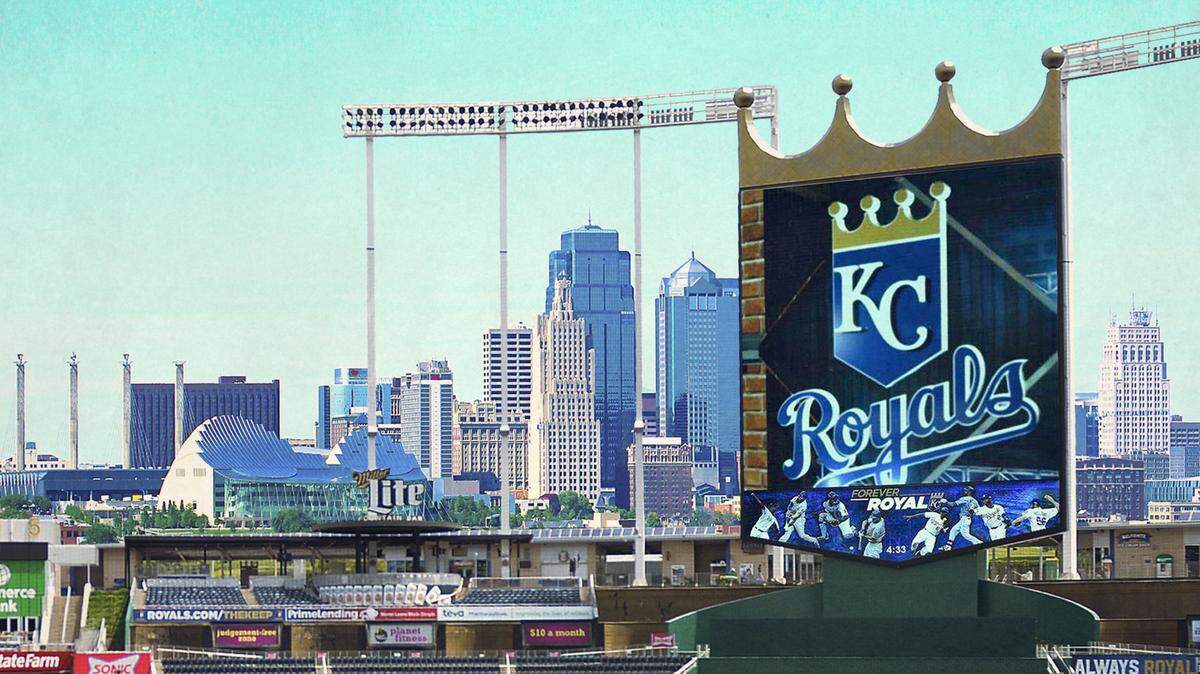
“I know it’s a very touchy subject with people here in Kansas City,” Royals shortstop Nicky Lopez said. “All the downtown stadiums that we go and play in are awesome. Just around the stadium is really cool. Just seeing the city in the background, it’s pretty cool. But I know that this place here is dear to fans’ hearts. This is all they know, the tailgating and everything that goes into it here.”
While it’s far too early to say anything definitively about what a new stadium might look like, we can be fairly sure of a few generalities.
First, it would almost certainly have fountains. And the Royals’ trademark crown would have to be incorporated somehow.
After that, new trends in stadiums include less fixed capacity with more communal areas. More large gathering spaces. Wider concourses. More local concessions options. More personalized experiences, better technology and a more intimate setting.
Sherman was a minority owner of the Cleveland MLB club now called the Guardians, so he is particularly familiar with what is now Progressive Field, which opened to 455 consecutive sellouts. Among other features, that stadium includes an area known as the Right Field District, a general admission ticket option that includes a free drink and local culinary offerings.
“I don’t think we’re there yet,” Sherman said when asked about the specifics of what a new ballpark here might look like. “But if you look around the country at new stadium designs, they tend to be smaller in terms of fixed seating, but they have more public areas and amenities and really kind of being more suited to the mix of today’s fan.
“Where you’re taking care of your traditional base, but you also have your younger and more diverse audiences, particularly in a downtown market where they like to move around …
“I watch every pitch, but not everybody wants to do that. If you look around the new stadiums, you see areas where you have firepits and phone chargers and more of a social gathering for people that want to be at the ballpark but watch it in a different way than maybe I watched it growing up.”
Location, location
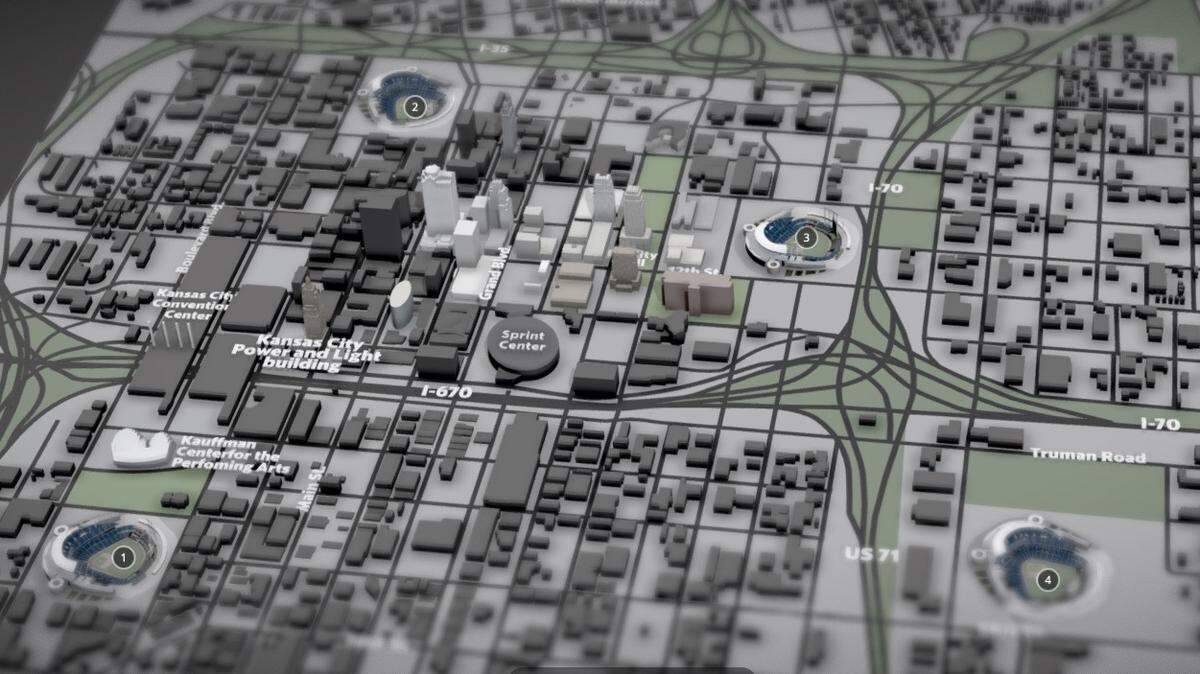
The Royals have not publicly shared specific locations for a potential new ballpark. Sherman told The Star that the Royals have “probably three, maybe four sites we consider to be viable.”
Presumably, those three or four sites are close to existing downtown development, easily accessible by walking and perhaps a streetcar line.
“Those are good locations in that there’s no physical barrier to being able to walk to it,” said Ficklin, the Children’s Mercy Park and Sochi Games co-designer who served as an event specialist for the KC architectural firm now known as Populous. “From all the residents — and we keep adding more residential towers downtown — and all the workers downtown, there’s no physical barrier to people being able to get to the stadium. That’s really important.”
Which means that Kansas City could reasonably expect an outcome similar to some of the most relevant precedent baseball has to offer.
▪ Washington: Nationals Park turned Buzzard Point and the Navy Yard from a backwater to D.C.’s fastest growing neighborhood. Now called the Ballpark District, this area features a variety of new businesses, many locally owned, and from 2012-16 boasted the fifth-highest rate of new-apartment construction of any neighborhood in the country, according to MPF Research.
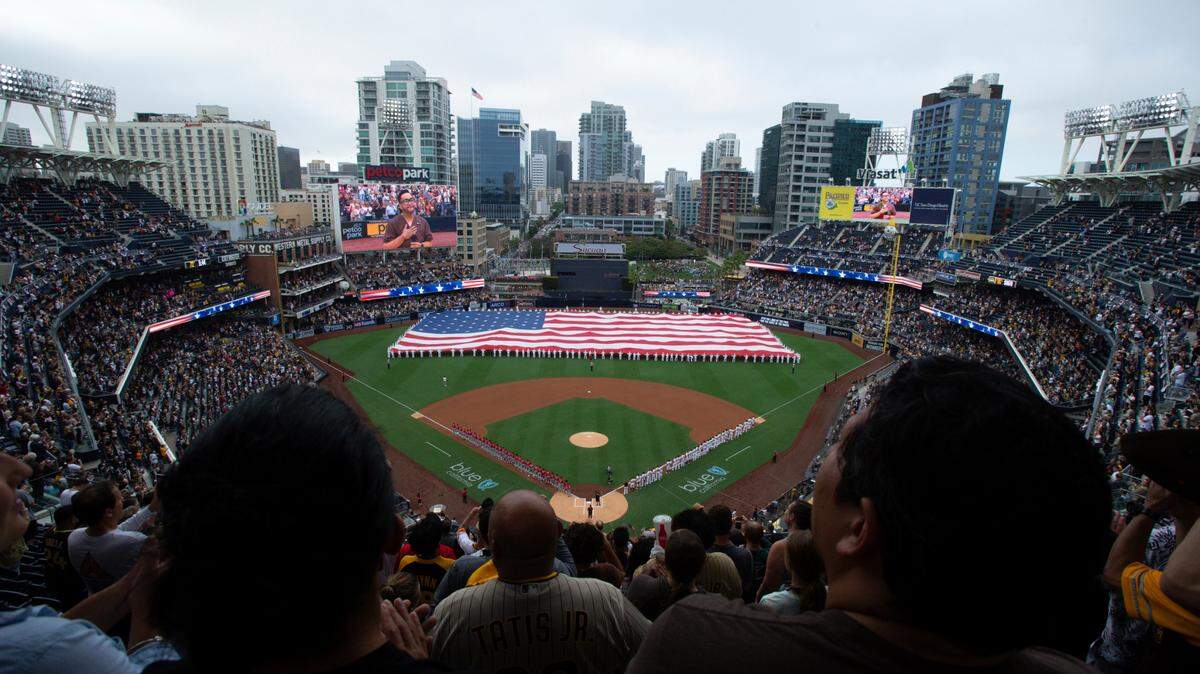
▪ San Diego: When Petco Park opened in 2004, about $550 million in private projects were under construction or had been completed in the city’s East Village area. The total investment eventually went above $1 billion, and the area went from 70% vacant to one of the city’s busiest. By 2014, the San Diego Union-Tribune published a story with this subhead: “Even early detractors of Petco Park agree it’s largely been a redevelopment success.”
▪ Minneapolis: Target Field opened in 2010 on the western edge of downtown, turning a fairly dead part of the city into a hub for transit as well as commercial and residential businesses. Downtown population is up, and in the first year of Target Field, $36 million in construction permits were issued within five blocks of the stadium.
The idea is that while a ballpark can obviously create commerce downtown 81 days a year for MLB home games, it can also be a boost the other 284. Wrigley Field played host to more than 200 events in the last full year before the onset of the COVID-19 pandemic. The Giants have an entire department that works on non-game day events and complementary venues.
Businesses that are boosted by home games can thrive the rest of the year, too. Ballparks don’t create surrounding businesses by themselves — the Truman Sports Complex might be the best example of that, actually — but they have consistently shown to be force-multipliers in turning existing momentum into something even better.
“For all my admiration of Kauffman, and that’s genuine, I’ve been convinced by what I’ve seen everywhere else: that a downtown ballpark just makes sense as part of the overall fabric of a downtown,” said Paul Goldberger, a Pulitzer Prize-winning architecture critic and the author of “Ballpark: Baseball in the American City.”
“It can’t do it by itself, but Kansas City is already doing so much else. That’s the point. It’s got all the other elements. So many good things are happening downtown.”
More feedback needed
The Royals have feedback. They want more, which is part of why they’ve gone public, but Sherman can’t leave his house without getting feedback.
Baseball games have a way of becoming personal, which is part of their charm, so the initial reaction is often on one extreme or the other.
A poll of 640 likely voters conducted by Remington Research Group found that 66% would oppose a new stadium built on a 50/50 private-public split, and 49% would oppose it even if it were to be entirely privately financed.
In an unscientific poll on The Star’s website, 56% of 2,343 respondents said they were in favor of a new ballpark, with 72.5% saying they were in favor of at least some public money to fund the project.
Sherman knows there are a lot of ways downtown baseball could be great. He also knows reasonable people have hesitations.
“Even some close friends of mine,” he said. “There’s a lot of reasons to like where we are. Why change something that’s been so good for us? And that may be the answer. But I think Kansas Citians have shown an ability to — when they understand more about something — get behind it.”
Recent major projects in Kansas City — specifically what is now T-Mobile Center, the streetcar line and the new airport terminal — have generally followed a similar pattern in the public discourse: initial pushback based on need and cost, then gradually more support as concerns are addressed, eventually leading to popular acceptance.
“We seem to be a little more afraid of change than other big cities,” Ficklin said. “And yet when it happens, then we couldn’t imagine life without it. It’s a tough medicine to swallow, but, man, it works. As soon as this new airport terminal opens, we’re gonna say the exact same thing.
“We debated, ‘Oh, we like it just the way it was. We don’t want any change.’ But you know what? It’s gonna be a lot easier and better and (with) better services. And we thought with the streetcar, too — no, it’s not gonna make a difference and no one’s gonna ride it. And then there was a couple years of chaos during construction and then, wow, people ride it and that just makes life so much easier and more fun. And obviously it spurred incredible billions of dollars’ worth of development.”
The precedent is there, but challenges remain for the Royals. T-Mobile Center was built largely on taxes on out-of-towners. The streetcar received heavy federal funding. Construction of the new airport terminal is being paid for by the airlines. There is also more positive sentiment about Kauffman Stadium than existed for Kemper Arena or the current airport terminals.
Sherman has said the potential ballpark project would be a private-public partnership and that the Royals are researching various sources of funding.
“If this happens and it makes sense,” he said, “you could expect (Royals ownership) will invest a meaningful amount of capital in the project.”
This is the phase Sherman and the Royals are in now. His group had this exploration in mind even before it bought the team. Various people and businesses around town have done much of the exploration for the Royals — without being asked — and going public helps mark the point when the Royals take further control of this discussion’s direction and specifics.
Sherman would not be doing this if he didn’t think the case was strong, and now is when he and the team are beginning to take that case public. The challenge will include securing enough funding to do this right and to convince enough of the public that doing it right will be worth that funding.
The future of the Royals and Kansas City will be shaped by the outcome of this process of exploration.
“It’s theoretical,” Sherman said. “But I think it has the potential to make Kansas City and particularly the center of Kansas City a much more vibrant place. And it has become a more vibrant place, if you think about downtown. There’s more residents there, more businesses there. The Sprint Center was a catalyst.
“I’m not so sure the last time this was looked at seriously that it might not have been a good time, right? A ballpark by itself can certainly be impactful, but when you’ve already got some positive momentum, and there’s sites that are available for this type of project, I think it can be a catalyst for a lot of positive things.”
This story was originally published October 17, 2021 at 5:00 AM.