Inside NFL uniform rules: What players can (and can’t) wear during the NFL playoffs
From banning tear-away jerseys to outlawing oversized face masks, the NFL has spent decades refining its uniform rules to balance style, safety and fairness.
And as the Chiefs charge toward what they hope will be a three-peat Super Bowl title, the league’s regulations still play a key role in every player’s gear.
A player’s appearance conveys a message about the league and its success and reputation, according to the NFL manual.
Uniforms are required during games, mini-camps, training camps and practice sessions to ensure apparel quality. The Foot and Ankle Subcommittee, for example, uses those opportunities to test different shoes for their durability and flexibility, according to the uniform inspectors.
And the mandates have changed over the decades for reasons of both fairness and safety.
In 1979, the NFL banned tear-away jerseys so runners couldn’t escape tackles, according to the NFL uniform inspection rules. They banned overbuilt face masks in 2014, with the exception of medical needs, after finding the added weight put players at risk.
So heading into the playoffs, what are the uniform requirements to play in the NFL today?
Uniform requirements
Each team in the NFL has both a white and a color jersey. On game days, the home club decides which they want to wear. The visiting team is allowed to also wear their team color if theirs is deemed a different enough color.
Jerseys must cover all pads and protective gear and be tucked in to the player’s pants. Legs must be completely covered at all times, with white stockings going from the top of the shoe to the mid-calf, according to the manual. An approved team color then goes from the mid-calf to the bottom of the pant leg.
Nicknames can’t be put on the back of jerseys and players are not allowed to display personal messages without the approval of the NFL. Players are always barred from promoting or displaying anything that could be considered controversial, according to the manual.
When it comes to brands, players can choose to wear whatever they want, but can only show the ones partnered with the league. All other logos and brand names must be covered up, according to the manual.
Bandannas are also banned, and so is the modification of kicking shoes. A player’s headgear and other equipment can be restricted if it’s decided the colors are too similar.
But with this many rules and restrictions around uniforms, who helps enforce compliance at the games, and what happens if violations are found?
How football uniform rules are enforced
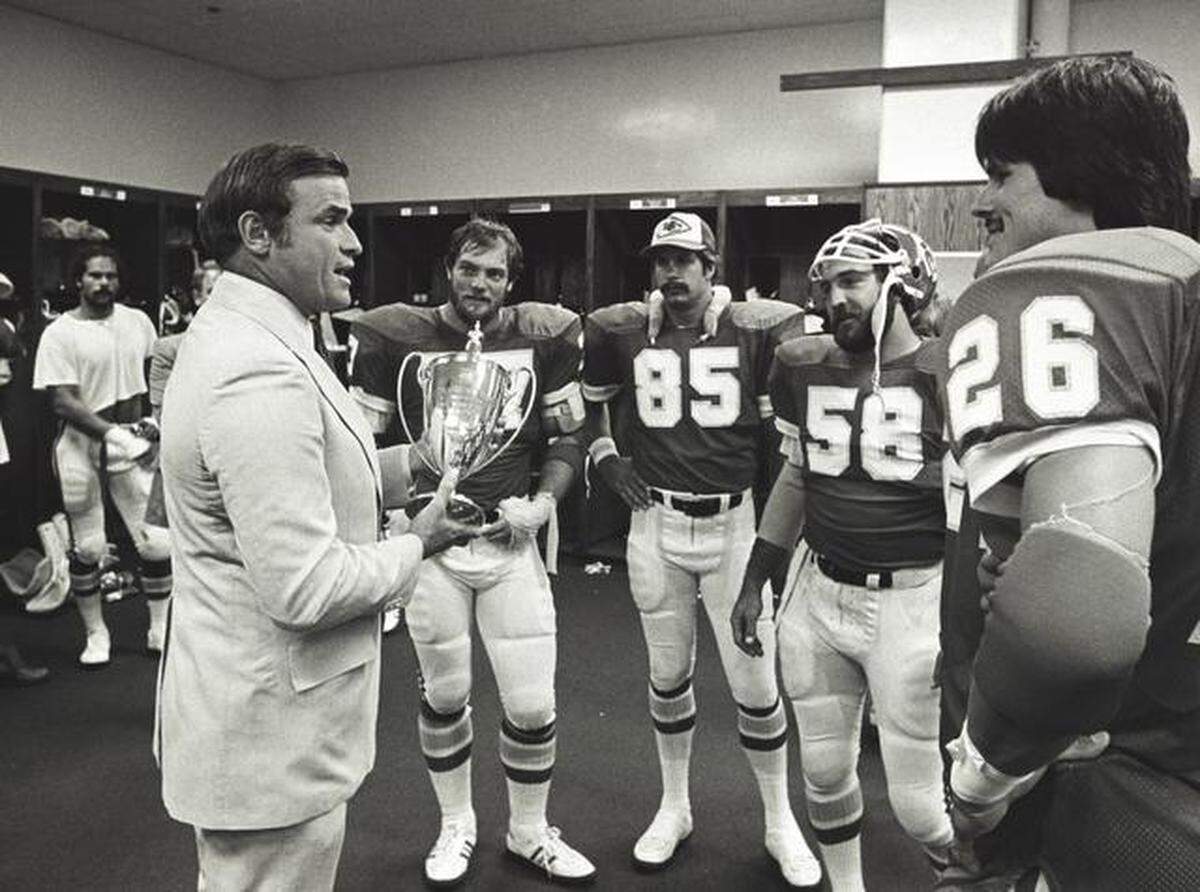
The uniform inspector’s job is to look out for violations and give players the opportunity to correct them.
Before a game, the inspector talks to players and meets with a team representative to report any problems. Players spotted with violations must be cleared by the inspector before kickoff, according to the NFL uniform inspector rules.
But the inspector’s job doesn’t end after warm-ups.
According to the rule book, the inspector continues to keep an eye out during the game. If a violation is found, players and teams have the chance during the next possession change or another appropriate stoppage to fix it, according to the uniform inspector rules.
If the violation is not fixed, the player is not allowed back on field until it is. Failure to fix and getting back on the team would cost the violating team five yards and the player possible disqualification from the game.
After the match, the inspector checks the locker room to make sure that no non-partner logos can be seen before reporters, fans or cameras come in.
This story was originally published January 16, 2025 at 10:41 AM.