
An explanation and brief history of the Kansas City Chiefs’ name debate
The 2020 NFL season kicked off inside Arrowhead Stadium with the Kansas City Chiefs dropping a championship banner high above the press box. A few days after they had opened their Super Bowl LIV rings, they briefly celebrated — one final time — reaching a pinnacle their 49 predecessors could not.
All the while, half a block outside the stadium, a small group of people held signs of a different sort — those of protest.
“We’re not mascots,” one read.
Some 15 years ago, a group of then-college students formed “Not in Our Honor” and made public a protest they had more privately advocated for years — the removal of Native American imagery in sports. More than a decade later, they continue to show up to Chiefs games fighting the same cause, even if some American Indians have rebuffed their fight.
The Chiefs’ name and some of the accompanying traditions — the tomahawk chop, for example — have sparked debate about their appropriateness.
That debate often rests within the American Indian community itself, and the disagreement is often passionate.
More recently, the Chiefs have tried to learn more. For seven years, they have worked with Native Americans, forming what they call the American Indian Working Group, to “honor, educate and create awareness of American Indian culture for our fans,” team president Mark Donovan said.
In policies that derived from those conversations — which remain ongoing today — the Chiefs announced ahead of 2020 season a ban of fans entering the stadium with headdresses or their faces painted in a way that depicts American Indian culture. They also have instructed fans to used a closed fist for “The Chop,” though getting them to follow suit is an evident hurdle.
In 2014, also a product of discussions with the working group, the Chiefs began inviting Native Americans onto the field for the blessing of a drum, on which a former player bangs a mallet to start The Chop.
But they’ve made no plans to take the action that the Washington Football Team made one year ago.
A name change.
The working group says it takes no issue with the name itself, which is not a racial slur. The Chiefs also do not have a logo with the head of a Native American like the Washington Redskins once used, though they are still forever bound to Native American community because of past traditions — even if it’s true that the organization is named for Harold Roe Bartle, the former mayor who helped get the franchise and was once nicknamed “The Chief.”
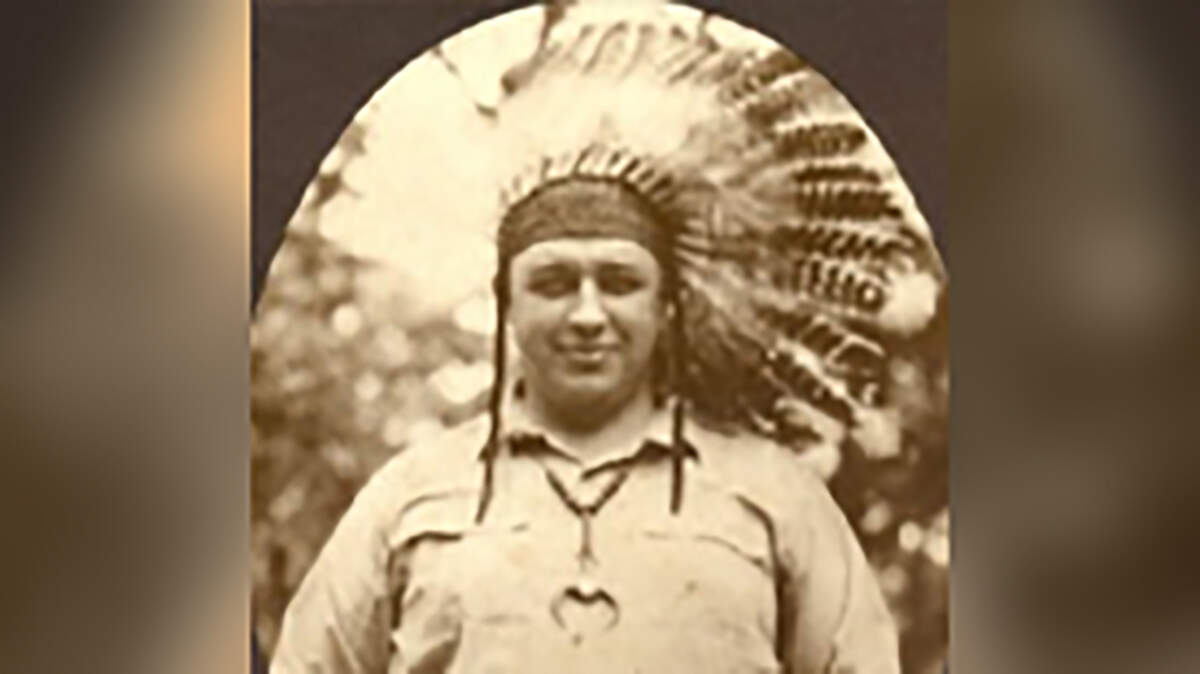
The team used to embrace the connection in more obvious ways. A man in a headdress would ride a horse — Warpaint — across the field after touchdowns. Players once appeared on posters dressed like Native Americans.
Those days are gone.
After conversations with the working group, the headdresses and face paint are banned inside the stadium. The blessing of the drum and blessing of the four directions are permanent fixtures.
It’s enough to appease many.
Not all.
And thus, the controversy remains.