Kansas City Royals GM J.J. Picollo: Our pitching depth as good as we’ve ever had it
While the present remains on hold for the Kansas City Royals and the rest of Major League Baseball because of the lockout, the future continues to take shape on the various fields, batting cages and bullpen mounds of the Royals’ spring training facility just outside of Surprise Stadium in Arizona.
As of Monday, 40 minor-league players were on site as part of the Royals mini-camp, including several minor-league free-agent signees (pitchers Colten Brewer and Arodys Vizcaino as well as infielder Ivan Castillo) who were given the option of attending workouts at the facility.
Approximately another 30 players were taking advantage of the open complex with Royals player development staff organizing workouts for them at the facility.
That doesn’t include some of the top young prospects who have been locked out by virtue of their place on the club’s 40-man roster, and minor-league spring training camp still doesn’t officially start until early March.
Royals general manager J.J. Picollo spoke to The Star about the state of the club’s farm system and how they’ve emerged from a year without the minor leagues due to the pandemic. He also discussed some of the recent changes to their player development structure as well as a project the Royals hope to have on the horizon that could benefit both major-league players and minor-league players.
Farm system’s overall depth
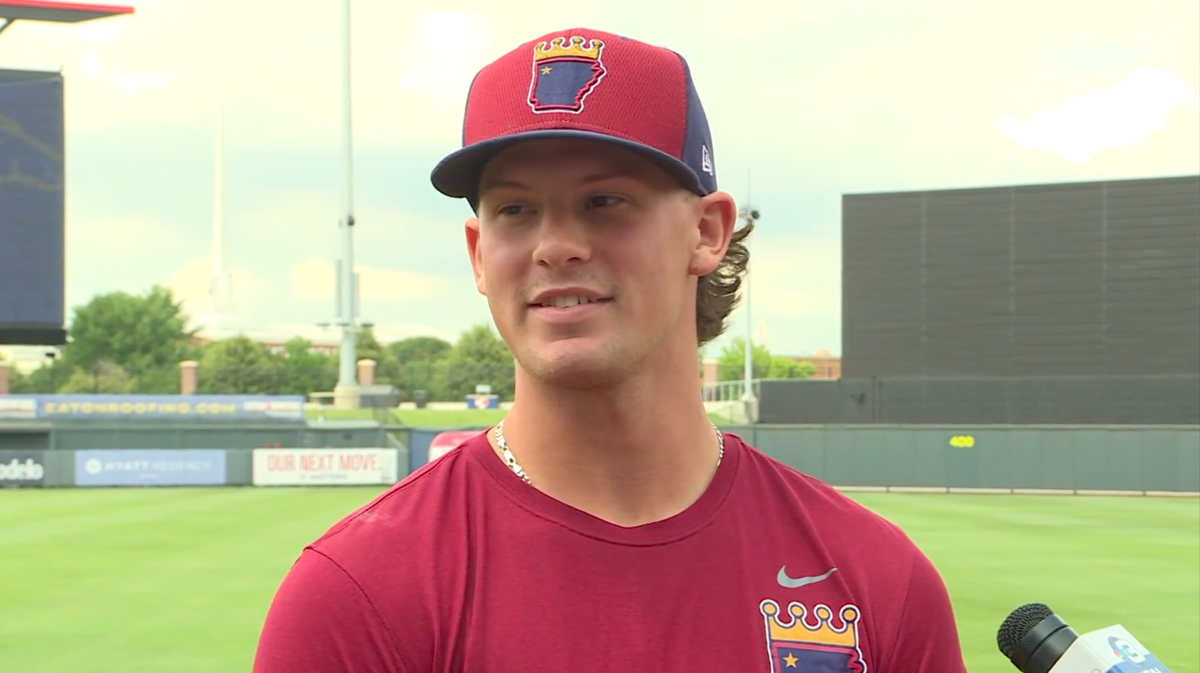
Baseball America ranked the Royals fifth in its preseason organizational talent rankings. Prior to last year, the Royals ranked 13th. They hadn’t landed in the Top 10 since 2014 (eighth).
Shortstop Bobby Witt Jr. (third), catcher MJ Melendez (42nd) and first baseman Nick Pratto (43rd) were all rated among the Top 100.
The Royals could have as many as six home-grown candidates for their starting rotation (Brady Singer, Kris Bubic, Carlos Hernandez, Daniel Lynch, Jackson Kowar and Jon Heasley) entering spring training to go along with veteran Mike Minor and former Rule 5 pick Brad Keller.
“More than anything there’s depth in the pitching and hitting side that I can’t say that we’ve had during our time here, and really impactful talent,” Picollo said.
He said they felt similarly in 2011 and 2012 from the position player standpoint. That group of minor-leaguers grew into the core of back-to-back World Series appearances in 2014 and 2015 and a championship in 2015.
“But I feel like this group is just a tad more deep,” Picollo added. “And then on the (starting) pitching, there’s the group that’s already been in the big leagues, then there’s a group that’s right behind it and then there’s another group below them, from a level perspective, that you could put five or six guys together there as well.
“From potential starting pitching depth, it’s as good as we’ve had it during our time here. It puts us in a good position. When we talk about sustained winning and winning over a period of time, you need those pitchers to keep coming. The scouting department has done a great job to put us in that position, but we feel like we’re there right now.”
Pitching paves the way for trades
In order to facilitate deals that aided in their World Series runs in 2014 and 2015, the Royals dipped into their pitching depth and traded away the likes of pitchers Jake Odorizzi, Mike Montgomery, Cody Reed and Sean Manaea.
With the premium placed on young pitching by every organization, the Royals’ current wealth of pitching could once again be crucial in future trade scenarios.
“We always say it’s the currency,” Picollo said. “You look up and teams always need pitching. So if you’re ever involved in any talks and you have pitching, you’re probably a target for a lot of teams to try to acquire quality pitching. That’s why we say you can never have enough between injuries, trades, roster decisions to make. All different things can impact how long you can keep that depth together. I’d rather have it this way than not.”
Progress and new development structure
The Royals restructured their player development system following the 2019 season in order to create a more holistic and individualized approach that encompassed performance science, strength and conditioning, analytics and traditional coaching.
Improvements were clearly evident in the organization’s hitters last season.
The Omaha Storm Chasers ranked among the top five among all Triple-A East clubs in OPS (fifth), batting average (second) and home runs (first). Northwest Arkansas led among the Double-A Central leaders in both home runs and OPS, and also ranked second in batting average. High-A Quad Cities led the High-A Central Division in batting average, ranked second in OPS and third in home runs.
The Royals had four of the five home run leaders in the minors across all levels this season in Melendez (first, 41), Pratto (second, 36), Witt (fourth, 33) and Ryan McBroom (fifth, 32).
“There’s really two different ways to look at it,” Picollo said. “The first is the hitters. The group that we tend to talk and write about a lot, they had tough years in 2019. Then we had time through the pandemic to address things and really settle in some new practices. Then when they finally got to put it to use in a game, there was a drastic difference in how they performed.”
The pitching results have been more mixed with the Triple-A and Double-A affiliates in the bottom half of their leagues in ERA, WHIP and batting average against while the High-A and Low-A affiliates ranked among the top half.
The Royals also elevated several of their top young pitchers to the majors at different points in 2021. Jackson Kowar, Daniel Lynch, Angel Zerpa, Jon Heasley, Dylan Coleman and Jake Brentz each made their major-league debuts last season. Bubic and Hernandez also spent time at Triple-A but ultimately spent the majority of their seasons in the majors.
“With the pitching, it has been a little bit different,” Picollo continued. “One, it’s a little bit harder to measure. Then also one year they didn’t pitch for the most part — other than the guys that got time in the big leagues. We took advantage of the alternate site, but you’re facing the same hitters. It’s not game competition. I think that can stunt development a little bit from the pitching side. Then last year, we were so conscious of the year off and how do we get guys through the year and we were managing innings in a certain way that we didn’t really cut ‘em loose.
“So I think because of those factors you maybe didn’t see as noticeable of an improvement, but the progress was still made — adding innings totals, quality of pitches, a lot of the things they’re doing now with pitch design, how to attack hitters in certain ways and make your stuff work … Those things were done. I think pitchers, right now, have a better idea of who they are and what their roles may be and how they need to pitch than two years ago.”
Pitching out of the pandemic
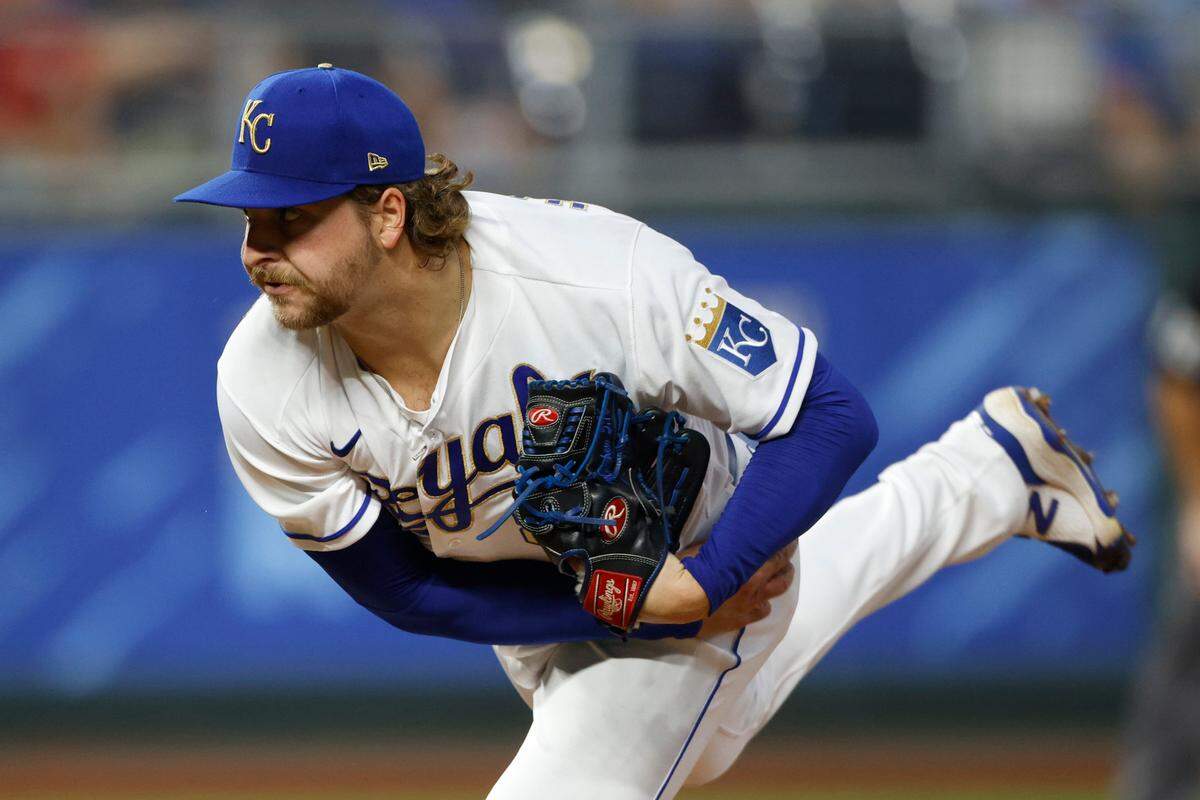
Managing pitcher workloads and keeping them healthy was the major concern across the sport going into last season and coming out of the pandemic and a year without minor-league games.
“Overall, just looking at our numbers compared to the industry we did very well,” Picollo said. “I think what stood out for us was Jon Bowlan had Tommy John. In a lot of ways that’s a blessing and a curse. The blessing is it’s very identifiable. It has been corrected. He’ll be back pitching. The return to play has a very high success rate. That one we feel good about.
“It was some of the little nagging things that were a little more frustrating with some of our better arms where they didn’t get to 100 innings or 120 innings. So our intent with that group is to go slow in the beginning here and let them settle into a normal spring training instead of firing them up in late February or early March. Just let them take a normal minor-league spring training approach to get them ready for early April so we can get 120 innings out of them this year. The good news there is they weren’t anything that was career-threatening or surgical types of injuries [other than Bowlan]. And we were cautious. There were guys that we could have either kept them going or got them back into game play sooner than we did, but we chose not to.”
This story was originally published February 23, 2022 at 8:44 AM.