On and off the field, the turbulent year that was 2020 didn’t bypass the KC Royals
For as much as the pandemic forced the truncation of a typical baseball season, the disjointed and erratic nature of this year also made it feel in many ways like the events of 2020 spanned several years as opposed to one.
In Kansas City, the Royals’ year featured tragedy, triumph, comebacks, debuts, introductions and farewells.
Events away from the ballpark ran the gamut from birth to death and civic engagement to protest. The most unique Major League Baseball season in decades, one that on several occasions seemed in doubt yet forged forward, provided the backdrop for it all.
With a new year of uncertainty and possibility ahead, it’s worth taking a short look back at the most memorable events of the past year.
January-April
The first four months of a 12-month year equate to about the first three innings of a nine-inning ballgame. Without a single pitch having been thrown in a regular-season setting, those four months of 2020 were critical and set a tone.
Mid-January brought news of former owner David Glass’ death at 84, months after he’d completed the sale of the franchise to its current principal owner, chairman and CEO, John Sherman. Glass’ passing elicited tributes from throughout the Royals organization and prominent figures around baseball, the larger sports landscape, the region and titans of the business world.
“The Royals’ 2015 World Championship was a tribute to his stewardship of the franchise and his passion for baseball in Kansas City,” MLB commissioner Rob Manfred said as part of a statement.
That same month ended with two of the faces of the franchise, star catcher and former World Series MVP Salvador Perez and iconic left fielder Alex Gordon, deepening ties with the club.
Gordon officially signed what turned out to be his final contract to remain with the Royals after becoming a free agent.
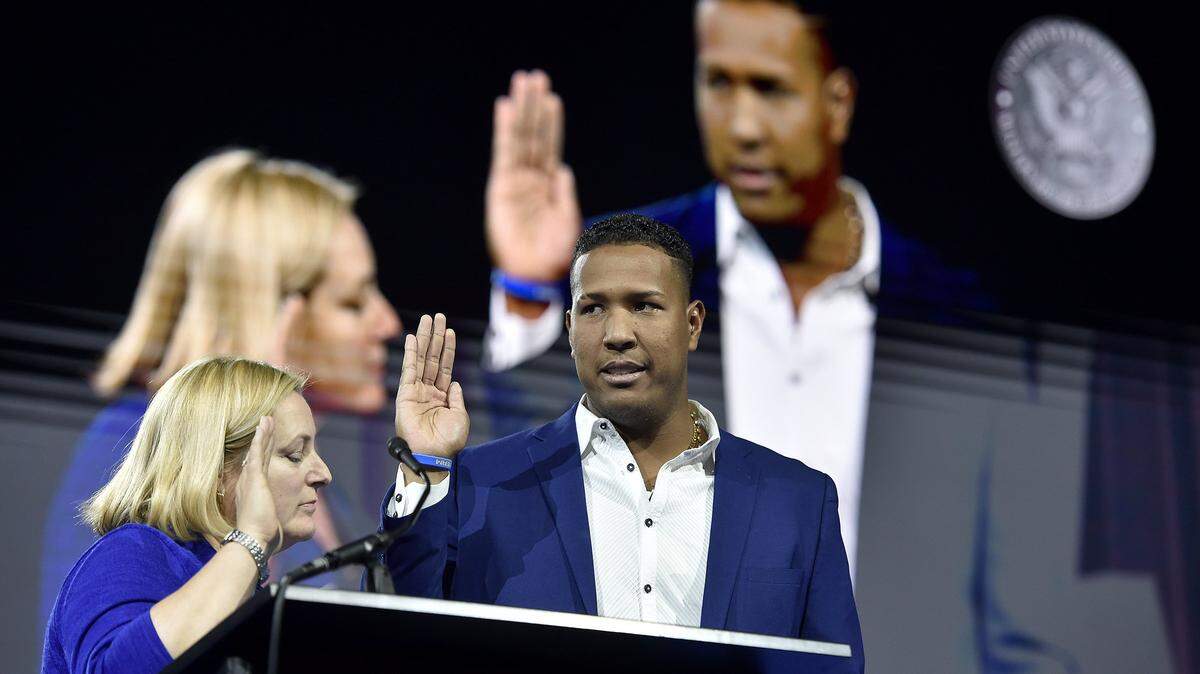
Perez, a native of Venezuela, stood on a stage and recited the oath of U.S. citizenship in a naturalization ceremony at Bartle Hall as part of the Royals’ annual Fanfest. In attendance were teammates, coaches, front-office members, ownership and fans.
Perez said later of his nerves, “I would rather be in the World Series, bases loaded, two outs, 3-2 and hitting than do that thing again.”
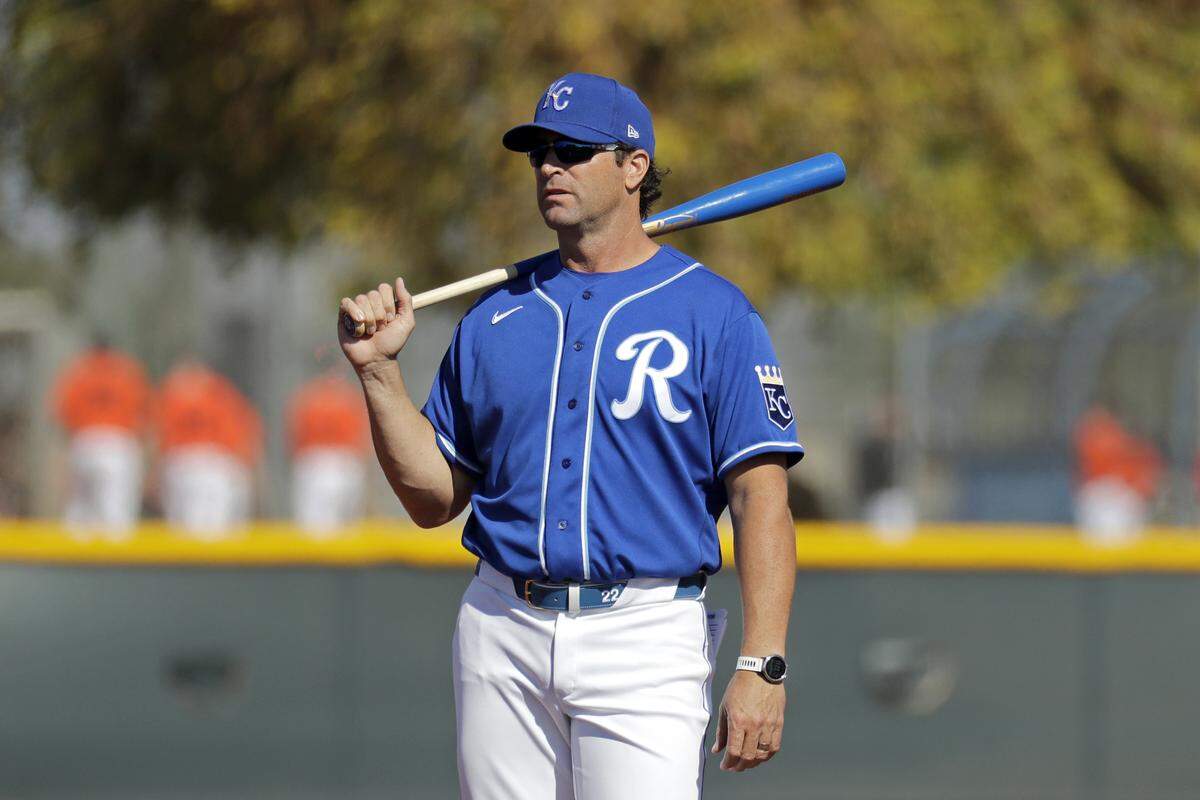
February marked the start of manager Mike Matheny’s first spring training camp as skipper after his hire as successor to Ned Yost. Matheny’s 26-34 record in his first season as manager would’ve put him on pace for 70 wins during a 162-game season, which would’ve been an 11-game improvement over the club’s showing in 2019.
Perez, who missed the entire 2019 season following Tommy John surgery, also made his return to the field during spring training. Perez’s one-year anniversary of his surgery came in March.
With spring training nearing its conclusion and the regular season on the horizon, baseball stopped abruptly in March amid coronavirus concerns. MLB suspended spring training and halted all activities, with nobody quite sure when the camps might resume.
In the days following the shutdown and with no clear timeline in place, veteran pitcher Danny Duffy told The Star, “I think we’ve all done a pretty good job as players to just make an effort to accomplish what you need to accomplish today. Tomorrow will take care of itself. There’s so much still up in the air. We’ve just got to do what we can to win the day and move forward, adjust and react to what they tell us to do.”
The scheduled opening day came and went without games and players were largely scattered around the globe, training in relative isolation.
May-August
As several MLB organizations began releasing and/or making plans to suspend payment to players in their minor-league systems, the Royals garnered attention and goodwill at the end of May when general manager Dayton Moore pledged, on behalf of Sherman, to pay the organization’s minor-league players. The Royals also wouldn’t institute layoffs, with executives opting to take tiered pay cuts in lieu of cutting staff.
Meanwhile, the combination of continued spread of coronavirus cases, varying restrictions and health regulations across North America and contentious negotiations between MLB and the Players Association, kept the season in doubt.
Baseball’s first big league-wide post-shutdown event — an extremely abbreviated MLB Draft — took place virtually.
The Royals selected arguably the top pitcher available with the fourth overall pick. Left-handed Texas A&M pitcher Asa Lacy fell to them and added to the organization’s already highly regarded group of pitching prospects.
“We were fortunate it happened. I mean, we didn’t go to bed last night thinking Asa Lacy might be there at the fourth overall pick,” Royals assistant GM for amateur scouting Lonnie Goldberg said at the time.
With a 60-game schedule hammered out by the MLB and the MLBPA, Kauffman Stadium hosted a “spring training 2.0” summer camp as baseball returned with a bevy of health and safety protocols and procedures that limited the occupancy of major-league clubhouses, mandated masks and required daily testing.
The club held such a tight watch on interactions that Moore even kept a running tally of the brief amount of time he’d spent in the clubhouse, in close contact with players, during the season.
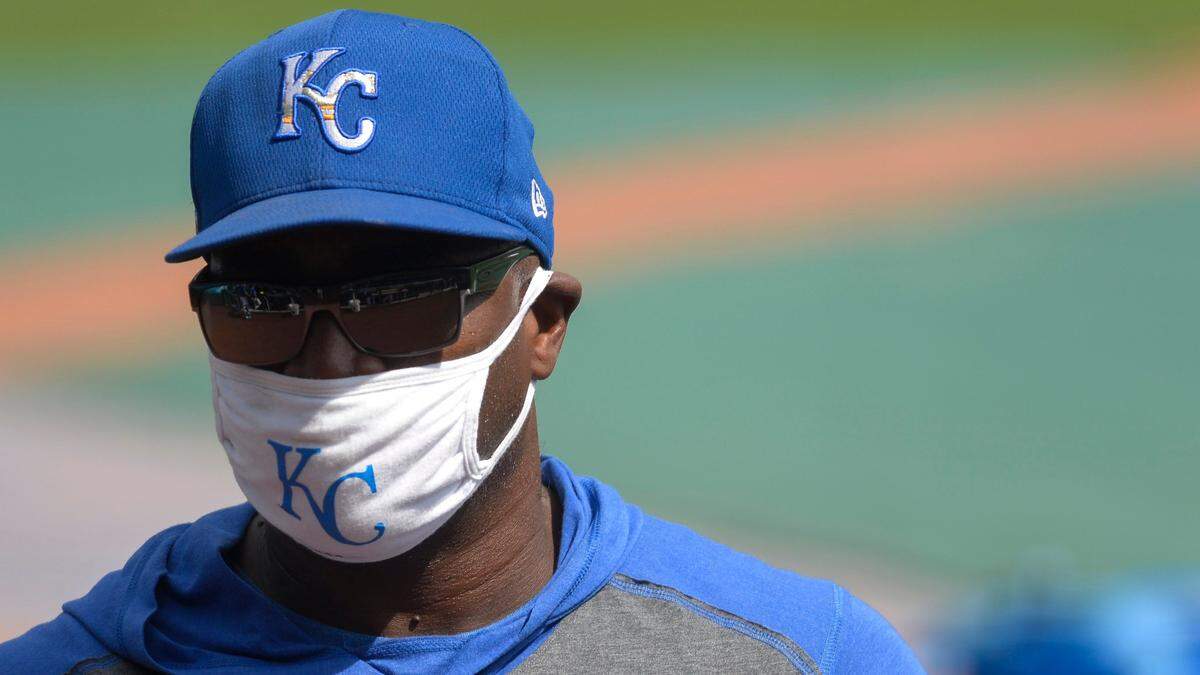
The coronavirus never left the consciousness of the organization. Energetic and experienced first base coach Rusty Kuntz, a favorite of the front office, players and fans, opted out of the season due to health concerns.
Several prominent players in around the majors also opted out, including stars such as Buster Posey, Ryan Zimmerman and David Price, but the Royals’ roster remained intact.
COVID infections cost starting pitchers Brad Keller and Jakob Junis large chunks of time during spring training 2.0, and both began the regular season on the injured list as they continued their progressions.
Catcher Cam Gallagher and first baseman Ryan O’Hearn were similarly sidelined by the virus for extended periods during camp. At least seven members of the Royals’ big-league roster contracted the virus.
On the verge of the club’s rescheduled opening day, the virus forced outfielder/infielder Hunter Dozier out of action ... and the clubhouse was simultaneously rocked by news that relief pitcher Jesse Hahn’s mother had died.
The Royals’ suddenly depleted roster paved the way for a bevy of MLB debuts, including those of top pitching prospects Brady Singer and Kris Bubic. The Royals didn’t have a full five-man starting rotation for the first two weeks of the season.
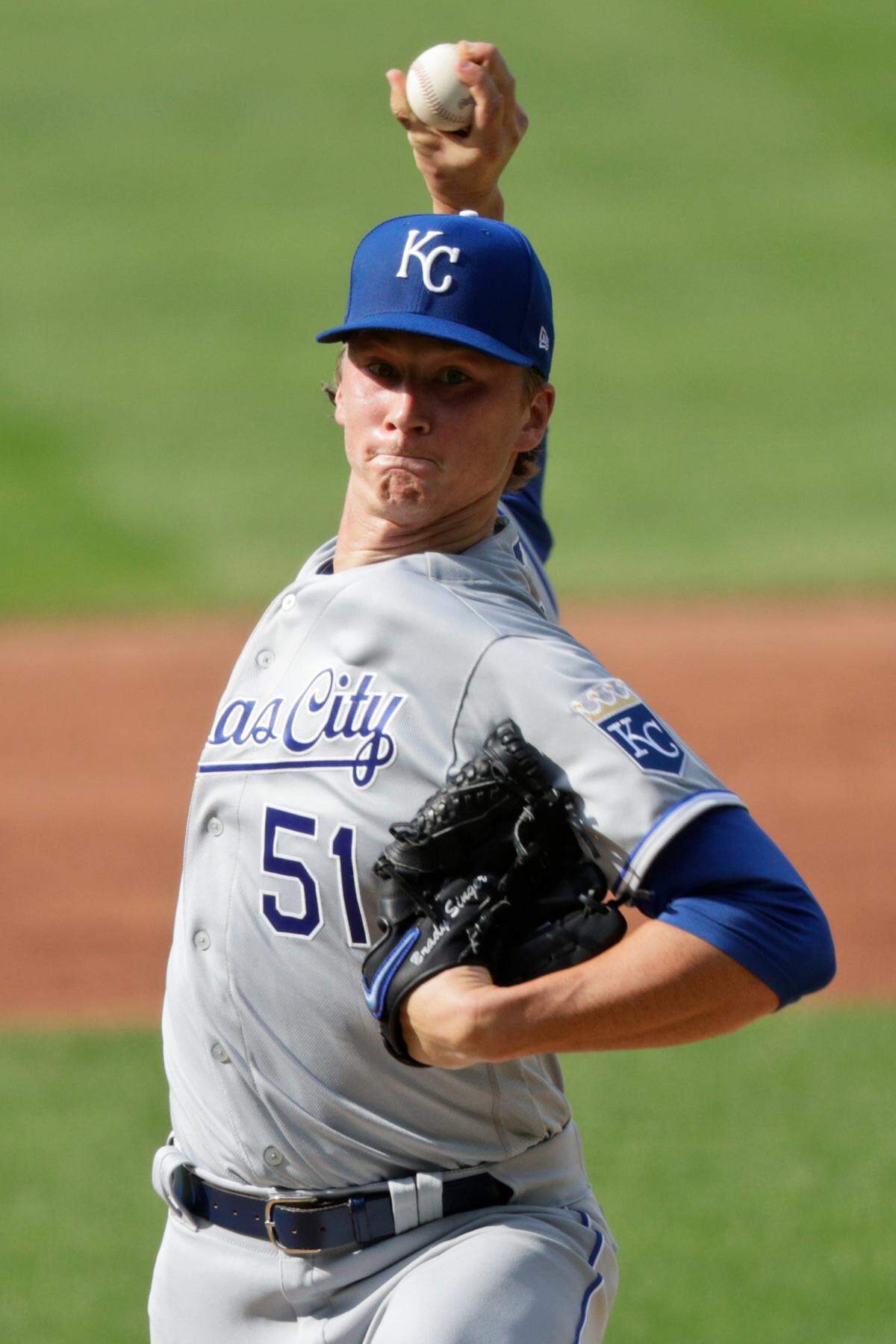
According to STATS the Royals had the third-youngest average age in the majors, at 27 years, 266 days. Rookies accounted for 43 percent of the team’s total innings pitched, and the 222 1/3 innings thrown by Royals rookies were second-most to the Houston Astros’ 266.
As the late-July regular-season start progressed into August, the career renaissances of relievers Trevor Rosenthal, a Lee’s Summit native, and former Royals draft pick Greg Holland led the most-improved area of the ballclub. The Royals traded Rosenthal before August’s deadline, but the bullpen remained a strength.
The Royals’ bullpen posted a 3.84 ERA (eighth-best in MLB), more than a run lower than their 2019 ERA (5.07, 27th in MLB). Royals relievers recorded the fourth-most strikeouts (275) in the majors, and their 19 saves ranked third.
Offensively, the lineup suffered from Adalberto Mondesi’s futility and Perez’s eye ailment, which landed him on the injured list. The Royals finished August eight games back in the AL Central with a 14-21 record.
August also featured former Royals star Mike Moustakas’ return to Kauffman as a visiting player with the Cincinnati Reds, though no fans were in the ballpark.
September-December
The season’s final month included Brady Singer taking a no-hitter into the eighth inning of his ninth start and Keller’s first career shutout sandwiched around a police standoff with an armed individual in the parking lot at the Truman Sports Complex.
Perez, despite a bout with COVID during camp and an eye problem that prompted his stint on the IL, finished an outstanding bounce-back season that earned him Silver Slugger, All-MLB First Team and Comeback Player of the Year honors.
Mondesi’s struggles served as a primary topic of conversation for most of the season, but he compiled one of the best all-around stretches in the majors in its waning month. In the season’s final 22 games, Mondesi led the AL (minimum 85 at-bats) in runs (22), hits (32), batting average (.376), extra-base hits (14), OPS (1.130) and stolen bases (16), and ranked second in on-base percentage (.424).
The final week of the baseball season brought the announcement that Gordon had decided to retire after 14 major-league seasons all with the Royals.
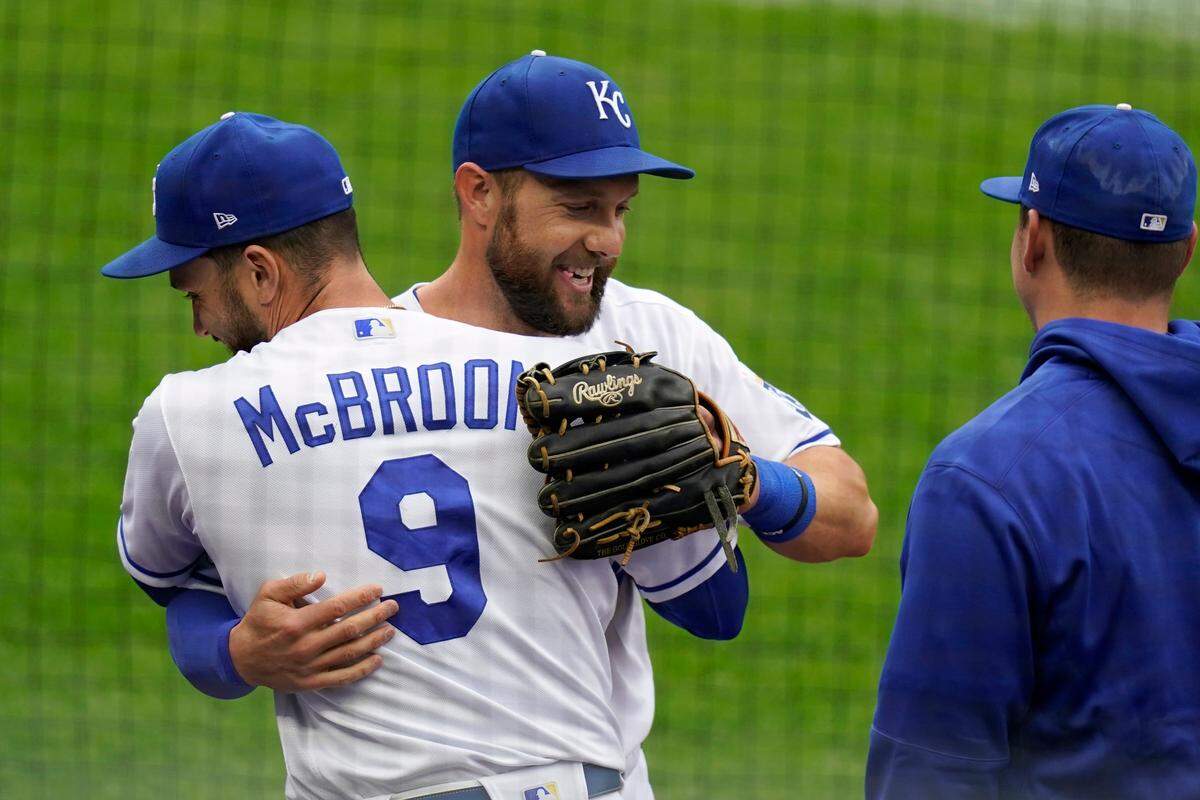
Gordon played his final game at home in Kauffman Stadium and was replaced mid-game in left field by Whit Merrifield. Gordon hugged teammates on his way off the field; in subsequent weeks, he’d earn a franchise record-tying eighth Gold Glove Award, as well as his second Platinum Glove.
“This is hard for me to do,” Gordon said. “This is what I’ve always done my whole life. At the same time, I’m excited to be around my family, be around my kids and just catch up on stuff that I’ve missed all my life.”
Gordon hung up his jersey ranked among the franchise’s all-time leaders in walks (684, third), home runs (190, fourth), doubles (357, fifth), extra-base hits (573, fifth), games played (1,753, sixth), at-bats (6,391, sixth), runs (867, sixth), hits (1,643, sixth) and RBIs (749, sixth).
The Royals tied for the best record in the AL in the season’s final 18 games (12-6), and started the offseason aggressively by signing center fielder Michael A. Taylor, starting pitcher Mike Minor and first baseman Carlos Santana and re-signing Holland.
Matheny expressed optimism about competing for the division title in 2021.
This story was originally published December 31, 2020 at 5:00 AM.