‘Next generation needs to know’: New Negro Leagues documentary streaming July 14
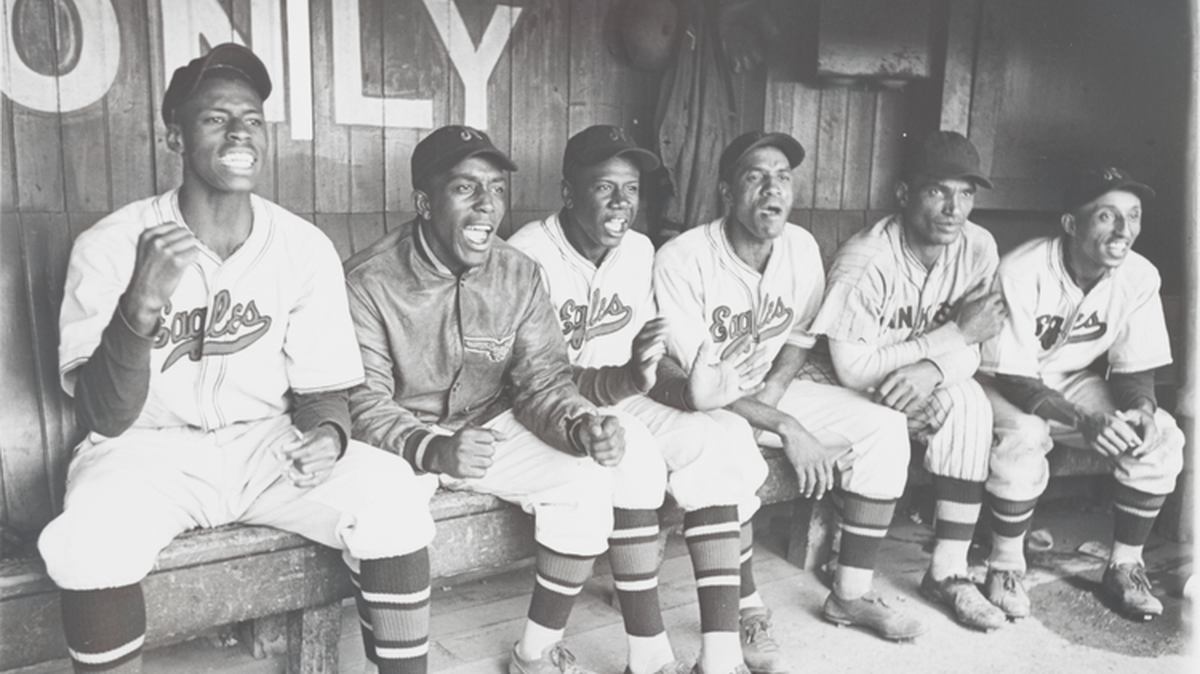
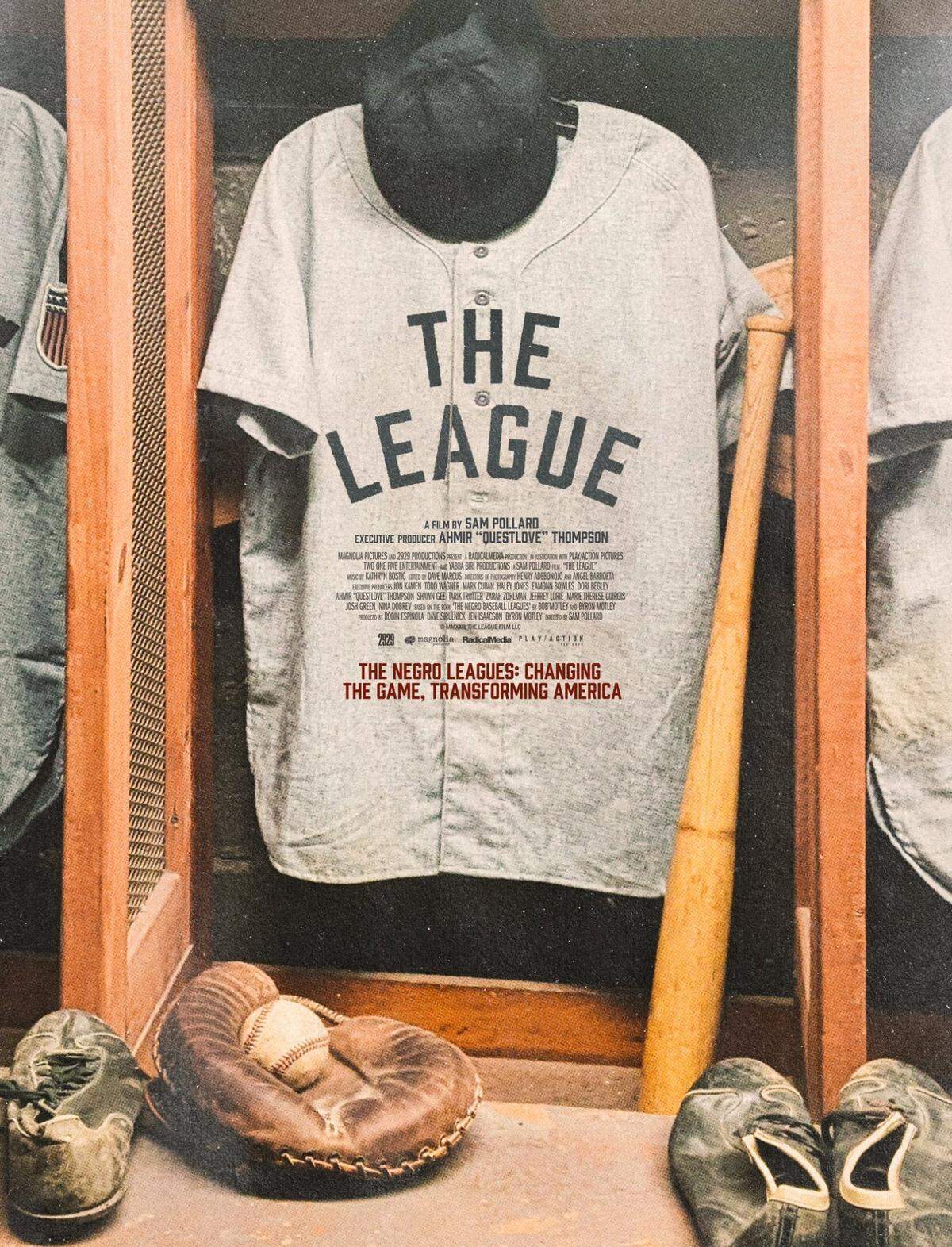
“The League,” a feature-length documentary surrounding Negro Leagues baseball for the first half of the 20th century, will be available on multiple streaming platforms, including Amazon Prime Video and Apple TV, starting July 14.
Directed by highly acclaimed filmmaker Sam Pollard and executively produced by Oscar winner Ahmir “Questlove” Thompson, the film’s uses “previously unearthed archival footage and never before seen interviews,” as written in its synopsis. That includes conversations with MLB Hall of Famers Willie Mays and Hank Aaron, who began their careers in the Negro Leagues, and iconic players like Satchel Paige and Buck O’Neil — careers that began before the start of the Jackie Robinson era.
Perhaps just as important, producer Byron Motley said the film’s goal wasn’t only to tell the stories of the big-name players, but to shine a light on the lives of all Negro Leagues players and the communities they lived in — from big to small.
“That was important to all of the Negro League players I interviewed throughout the years,” Motley told The Star. “I really wanted to keep in honor of them to tell the truth of the story — and (show) the lives they lived and the life they had given to this great American pastime.”
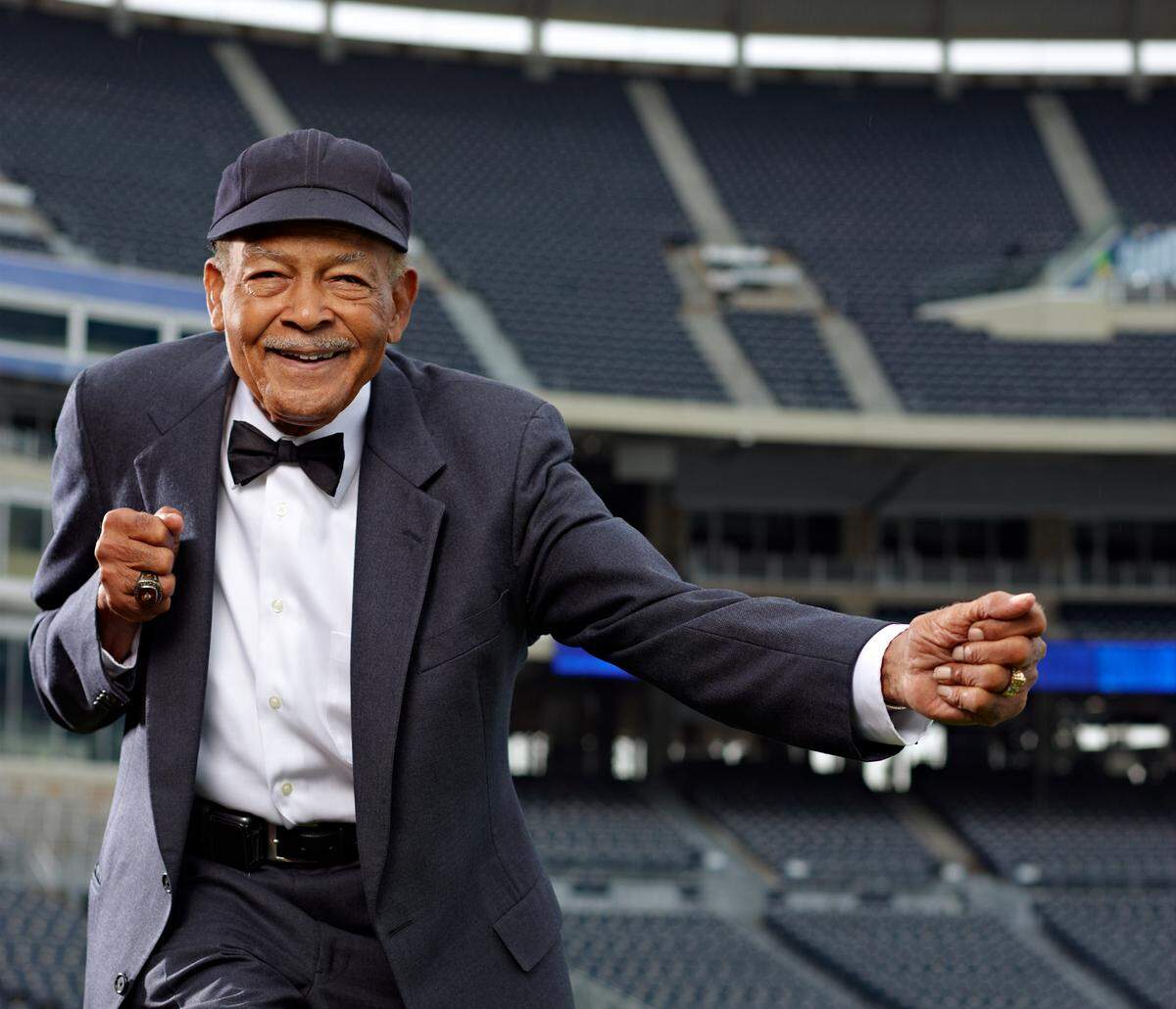
Motley, a native of Kansas City, was the original pitch-maker for the film, derived by his lifelong interest in the league and his father, Bob Motley, who was a well-known Negro Leagues umpire. Additionally, he grew up 10 blocks away from O’Neil and half that distance from Paige.
Hearing stories from his father about Negro Leagues baseball — and through conducting extensive interviews with former players — Motley saw potential for a film. So during a trip to New York for a lecture, Motley contacted Pollard — who he had never met face-to-face — to meet for lunch to discuss the film.
Following their conversation, Pollard was on board. And after solving their biggest issue of funding through media company RadicalMedia, they built out their documentary team of executive producers, interview subjects and more.
Motley said a part of the pitch that intrigued Pollard and sets the film apart from its predecessors is the exploration of Black baseball’s economic and social impact in Black communities. He expressed that no Negro Leagues story can be discussed without including this topic — one he’s lectured on in the past.
“That ... is still affecting our country in any major city, as the community has never recovered from that,” Motley said. “Once Jackie Robinson and the other players started to go from the Negro Leagues to the Major Leagues, it deafened the Black community because at the time baseball was the king.”
The film featured 14 interview subjects, including current president of the Negro Leagues Baseball Museum Bob Kendrick. Phil Dixon, a baseball historian who was also interviewed for the film, said it “hit all the high points.”
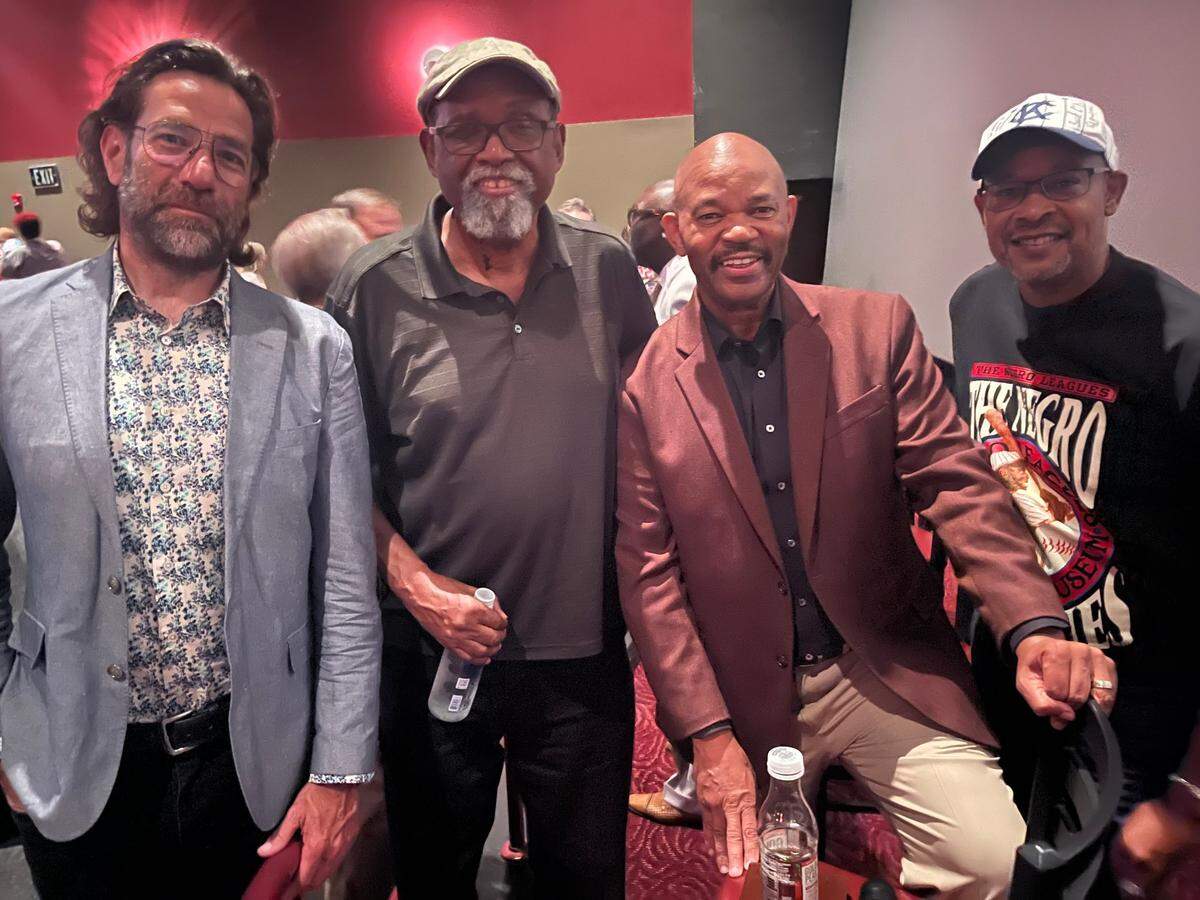
Dixon’s passion for the Negro Leagues holds similar weight to Motley’s, as both devoted most of their lives to interviewing players and people with connections to it. Dixon, who played baseball growing up and later coached until 2020, said his mission has been to spread the love of these baseball players that lived in segregated communities — like himself.
He expressed that players made the “ultimate sacrifice” by continuing to play, even with limited pay.
To Dixon, what set the film apart was its quality of production, smooth editing and usage of Black baseball historians — an aspect that he said hasn’t been very common in baseball documentaries. Additionally, he said the film’s creativity was off the charts, as the filmmakers traveled to different ballparks and used real people to reenact some of the events depicted.
“This film covered more bases than any film I’ve ever seen related to the Negro Leagues,” Dixon said. “There’s something there for everybody, all ages, and people can see themselves in the film. ... Now you can see a Black historian that you didn’t typically see, so it broke a lot of new ground.”
After watching the film, one of Motley’s favorite parts was the interviews, which included a sit-down with Maya Angelou, who came up with the film’s name.
However, Motley was most excited about helping depict a part of his late father’s story and how much he gave to the game behind the plate. Similarly, Dixon appreciated that the film “touches on different communities around the country” — including Puerto Rico and the Dominican Republic — and allows each person to take something special away.
The film was set to run in theaters July 9, 10 and 12 at AMC Barrywoods 24 located in Kansas City, and it will soon be available to stream. The digital version gives viewers another way to experience a documentary that Dixon believes could have a lasting impact.
Dixon said that between 2014 and 2020 he did a 200-city tour nationally and in Canada, giving 30-to-45-minute speeches on the Negro Leagues. During these trips, he said many people were unaware of how the Negro Leagues affected their own communities.
Now, Dixon sees the film as a way for people to continue to learn about this history.
“Our next generation needs to know about these men because it’s an inspiring story,” Dixon said. “When people watch this documentary, they will be proud of the contribution Kansas City is making to keep this history going.”