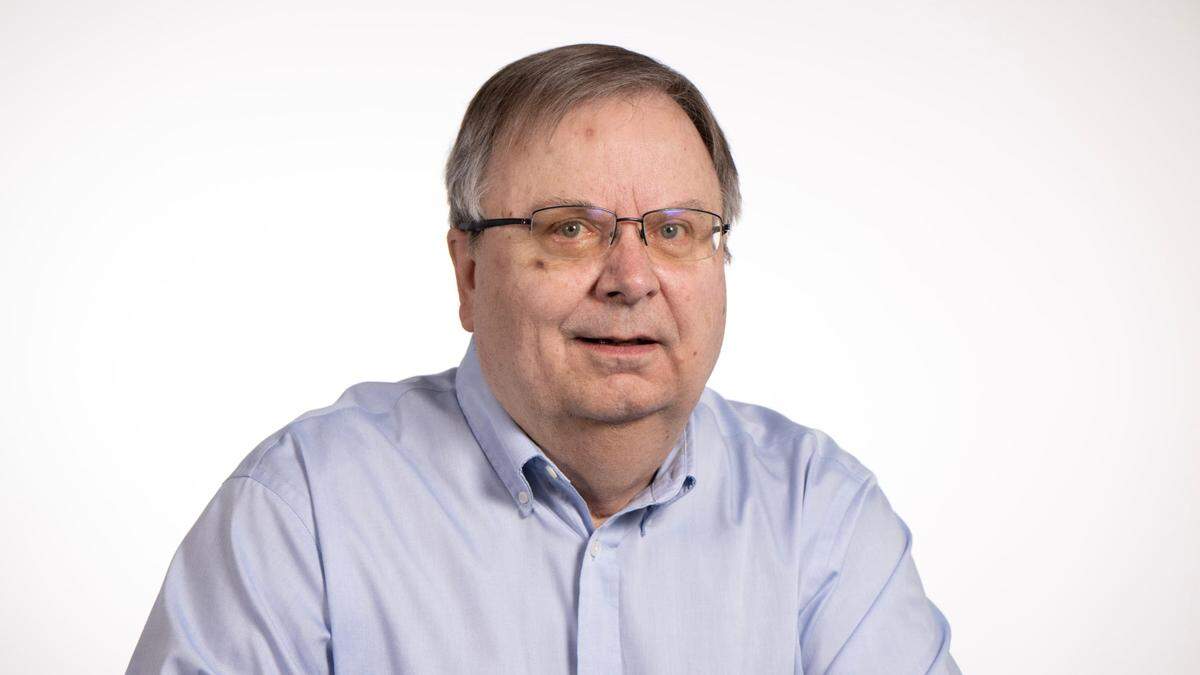
At The Masters, Gary Woodland lays bare the seriousness of his battle with PTSD
AI-generated summary reviewed by our newsroom.
- Woodland credits visible security and his caddy with managing PTSD.
- He links his Sept 2023 brain tumor removal to PTSD that disrupts focus.
- He works on slowing heart rate, thoughts, and relies on his caddy's cues.
Atop the leaderboard as he navigated the second round of the PGA Tour’s Houston Open, Gary Woodland suddenly faced challenges not only from the world’s best players at Memorial Park Golf Course, but demons inside his own head.
“I got hyper-vigilant, extreme on the ninth hole, and I battled the last (nine) holes thinking people were trying to kill me,” said Woodland, the 41-year-old former University of Kansas golfer. He made the comments while speaking to reporters Tuesday in a candid and sometimes shocking news conference at Augusta National Golf Course in Georgia, site of The Masters, which takes place this week.
Woodland led from start to finish in Houston March 26-29 for his first tour victory since the 2019 U.S. Open. But he has been battling post-traumatic stress disorder (PTSD) as an excruciating side effect from the removal of a brain tumor in September 2023.
One month ago, Woodland went public with his PTSD battle, letting fans know why he sometimes behaved erratically on the course. That’s included needing to find shelter in bathrooms, where he said he would temporarily would break down and cry before composing himself and continuing his round.
“I have security with me,” Woodland said, indicating that he and his team have been briefed by Masters officials as to where guards will be stationed on the course. This will be Woodland’s 13th Masters; the tournament begins Thursday.
To effectively combat PTSD, Woodland needs to feel safe — his brain needs to know he’s 100% protected from danger — or the affliction sometimes kicks in.
“Having somebody with me (on security detail), that’s the only reason I won two weeks ago,” he said matter-of-factly.
This begs the question as to how Woodland, who qualified for The Masters by winning in Houston, will be able to manage his PTSD this week during one of golf’s elite events. The opening round is Thursday and he’d play through Sunday, if he makes the cut.
He acknowledged he struggled with a racing mind last week in accepting all the admiration and good wishes sent his way from fellow competitors ... and from the President of the United States.
“It’s a lot of stimulation that comes with winning, stuff that I hadn’t seen in a long time,” Woodland said. “Just like on tour, I’ll have security with me. The main deal is they (Masters officials) were showing me where security is. The whole deal for me is it’s visual.
“If I can see somebody (from security), then I can remind myself that I’m safe constantly. And so I have a good idea now where security is on every hole. My caddy knows, too, so he can constantly remind me, because I don’t have control when this thing hits me, and it’s tough.
“It can be a fan. It can be a walking score. It can be a camera guy running by me. Any startlement from behind me can trigger this pretty quickly, and knowing where the security is (is) a constant reminder that I’m safe. This is one battle I can’t fight on my own.”
He knows it’ll be a challenge to focus on his golf this week.
“It’s a big week for me here this week,” said Woodland, who competed for the Jayhawks from 2003-07. “The fans are very close on the tee boxes. There’s a lot going on, and there’s probably not a safer golf tournament in the world. I’m, I’m happy for that, but it’s still a battle in my head if I’m safe or not, and that’s a tough pill to swallow.
“So I’m emotional from the standpoint I know how close I probably was to never being back here (because of PTSD), and I’m very proud of myself for earning my way back.”
Woodland said he feels a lot stronger now than he did a month ago. Informing the world of his PTSD with the Golf Channel has done wonders.
“When I’m not on the course, I’m in a battle, and when I’m on the course, I’m in a battle,” Woodland said. “I was talking to J.T. (two-time major winner Justin Thomas). He noticed how I looked pretty calm on Sunday.”
That was a reference to the final round in Houston, where Woodland extended a 4-stroke lead to 5 on the final two holes in wrapping up an emotional victory.
“I told him the doctors and everybody I’m working with ... we’re trying to slow my heart rate down,” Woodland said. ”We’re trying to slow my thoughts down and just to function and be healthy. Doing those things obviously helps my golf game, as well. I wish I knew a lot of this stuff 20 years ago, but I can’t think ahead of myself. I’m trying to get through each moment and each day, one day at a time. And I also think that helps, from a golf standpoint, being so in-the-moment — singular focus.”
Woodland, who by his own admission — save for the Houston Open — has not played exceptional golf since his brain surgery, said it’s already been an emotional couple of days. He’s in Augusta, preparing for his first Masters since 2024. He missed the cut that year after tying for 14th in 2023.
“I’ve got to worry about today,” Woodland said with a smile, when asked what it would be like to ride his hot streak from Houston and win a green jacket this weekend.
“Like I said, I’ve got to worry about today,” he said. “That’s a that’s a big task. I love this place. I love the tradition. There’s nothing like driving down Magnolia Lane (onto the property). I definitely drove down a little slower this year than I ever have, even the first time when I was here in 2011 (during his first Masters). I’m definitely taking it all in this week, for sure.”
This story was originally published April 8, 2026 at 7:00 AM with the headline "At The Masters, Gary Woodland lays bare the seriousness of his battle with PTSD."