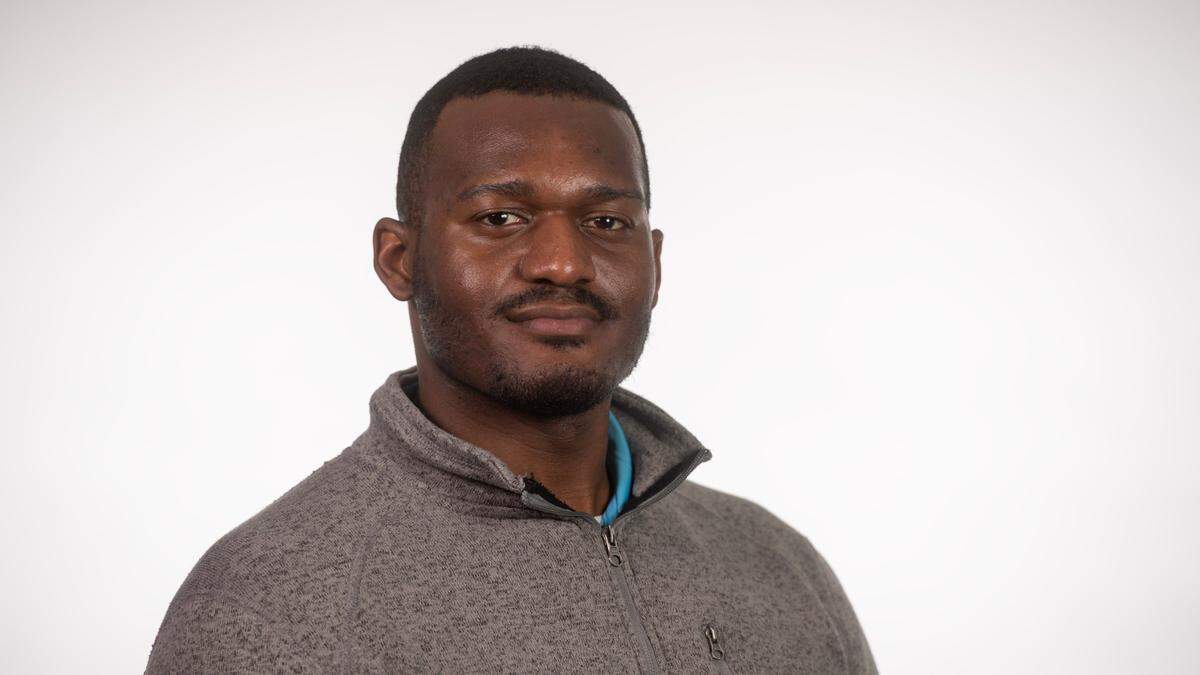
How Grant Wahl’s memory endures at the 2026 FIFA World Cup in the United States
AI-generated summary reviewed by our newsroom.
- Grant Wahl died in Qatar on Dec. 10, 2022.
- Autopsy and genetic testing found a mutation predisposing the Wahls to aortic ruptures.
- Biden staff and State Department contacts helped repatriate Wahl’s body.
For four years, Americans and soccer fans all over the world have been anticipating the world’s biggest sporting event taking place in the United States.
For a select few, however, the countdown coincided with memories of a lost loved one and voice sorely missed in the sports world today.
Shawnee Mission East High School product Grant Wahl was one of the most prominent names in soccer media. Four years ago he was covering the 2022 FIFA World Cup in Qatar, representing his independent newsletter.
He had penned several books on the sport while providing continuously insightful coverage throughout his nearly 30-year career. He became renowned as a senior writer with Sports Illustrated, where his compelling stories — on topics ranging from LeBron James to the U.S. Women’s National Team’s fight for equal pay in soccer — were worldwide news.
While covering a 2022 World Cup quarterfinal in Qatar, Wahl collapsed in his press box seat and later died. He had suffered an aortic aneurysm in his heart.
His brother, Eric Wahl, remembers the day distinctly. It was Dec. 9, 2022. He was tracking the tournament through his brother’s Twitter feed while at an optometrist appointment in Seattle.
When his younger brother stopped posting, Eric initially figured he was busy, probably working on a story. Soon, though, Eric received a text from his brother’s wife, Céline Gounder, saying Grant had collapsed.
“Even then I wasn’t surprised,” Eric told The Star, “because Grant had a habit of working himself sick, and it had happened before. We knew that he was coming out of what we had been told was bronchitis.”
Gounder’s next few texts to Eric became progressively more grim, however. Medics were giving Grant CPR at the sports venue in Qatar. He was officially pronounced dead the next day at a hospital there.
Wahl’s sudden death was met with skepticism from the public, especially on social media. Some noted that he died after wearing a rainbow shirt in support of his brother, Eric, and the LGBTQ+ community overseas in Qatar — where gay relationships have been prosecuted.
Wahl also had received death threats after reporting on migrant workers who had died —and Qatar’s human-rights violations — while stadium venues were being constructed for the 2022 World Cup.
Eric said at the time that he believed his brother was killed, and he posted a viral video saying as much. He later regretted it and took down, but not before garnering millions of views across the globe.
The seemingly murky circumstances surrounding Wahl’s passing became clear soon enough. Gounder’s career as an internationally known physician and epidemiologist helped expedite the return of Wahl’s body to the U.S. for examination.
At the time, Gounder was a member of then-President Biden’s COVID-19 Advisory Board, connecting her to friends and colleagues that had Wahl home within three days.
“Losing Grant made me realize how rich in friends I am,” Gounder told The Star. “It was like every single step of the way, and if I had not had those friends to help, it would have been ... I don’t even know.
“I’ve heard of people who’ve lost relatives in the Middle East and have struggled to get ... in some cases, it’s taken years to get a body back.”
Biden’s chief of staff, Ron Klain, was Gounder’s first call. He helped facilitate the return of Wahl’s body with the U.S. Department of State and the American embassy in Qatar.
Gounder next needed special permission from New York City health commissioner Ashwin Vasan to have the city do Wahl’s autopsy; Wahl had died in Qatar and Gounder wanted his autopsy done in New York, where they lived.
The autopsy and other testing revealed that the Wahls have a genetic mutation that predisposes them to aortic ruptures. Eric and several other men on the family tree have tested positive for the mutation that runs through his paternal grandmother’s line.
Today, Eric works with the John Ritter Foundation as an advocate. The organization is named for the actor who suffered from an aortic aneurysm before his death.
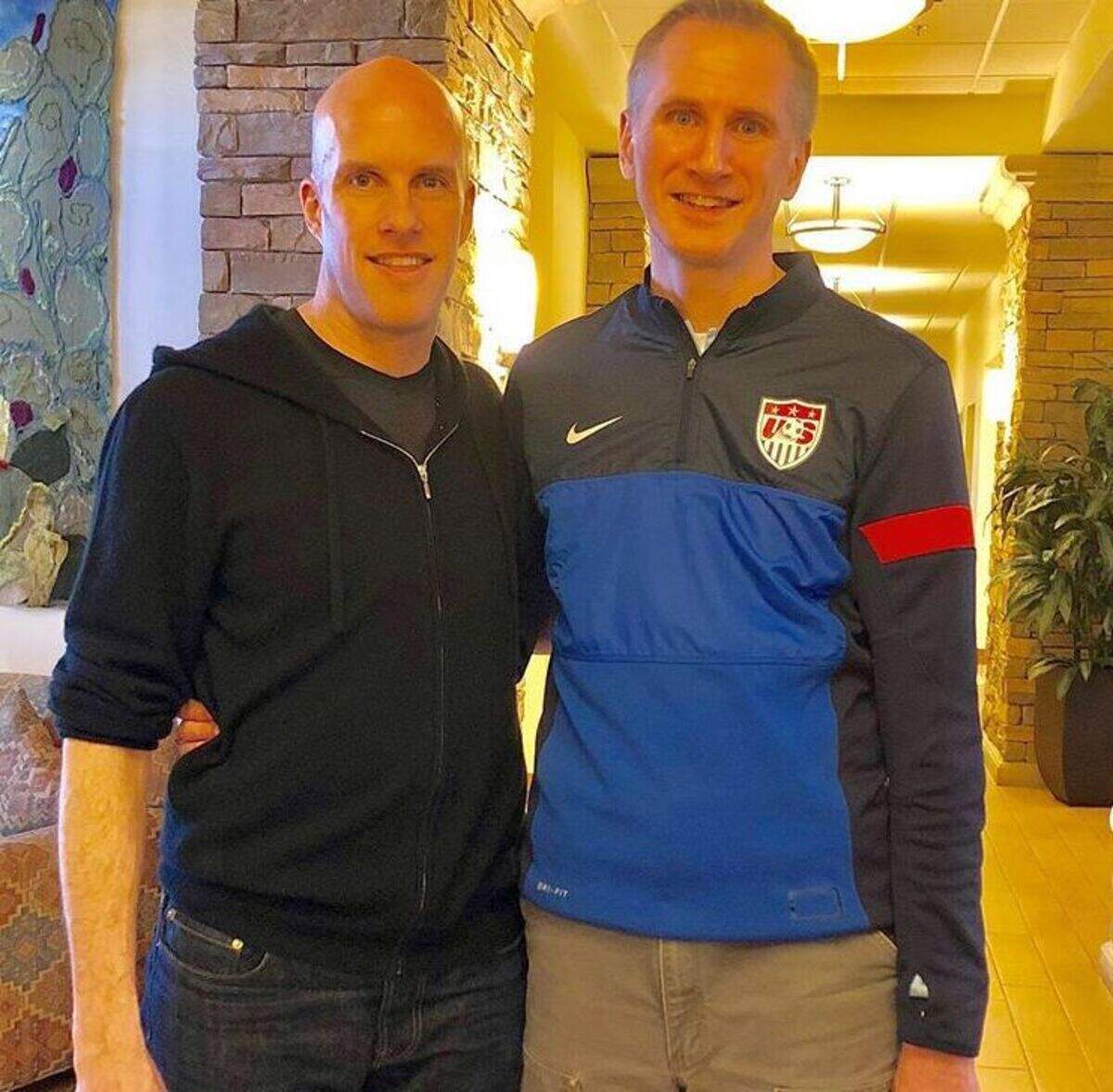
Eric Wahl and Gounder sit with the loss of Grant every day, but they also embrace the things that life has shown them since.
“(Genetic testing) may be able to tell you that you are not prone to poor aortic health,” Eric said. “Doing that has helped me with my own grief to discover there is a community of people who’ve been affected.”
‘Very triggering’ World Cup in America
While the rest of the soccer planet was growing excited about the oncoming 2026 FIFA World Cup, Eric Wahl and Gounder found themselves dreading it.
It brought back memories of their last days with Grant.
“It‘s a lot of feelings. It is very triggering,” Gounder said.
She remembers how serious Wahl took all aspects of soccer, reporting on the game’s culture and corruption in addition to its technical nuances.
While on-field triumphs were part of Wahl’s forte, Gounder knows her husband would be hitting on any number of controversial topics this summer: America’s divisive immigration policies, for instance, and the mistreatment of the Iranian national team while its country is at war with the host nation.
Grant would be traveling right now for the tournament, she said, as well as meeting neighbors at soccer bar Smithfield Hall right down the street from their NYC home.
“He would have been all over calling that out,” Gounder said of injustices. “I definitely feel his absence in that moment, because no one has fully grown into that gap. There are some people, like Pablo Torre, who are following in his footsteps, but I definitely feel his absence.”
Eric told The Star’s Sam McDowell how he wore a Pride shirt similar to Grant’s to a World Cup match between Iran and Egypt in Seattle. Eric lived there for nearly 20 years, and both Grant and Gounder were there for a time, too. That day’s game was even a Pride match, Eric noted.
The Wahl brothers shared a vigor for learning about different cultures through similar avenues. Both enjoyed literature, but Grant was obviously the sports-lover of the family.
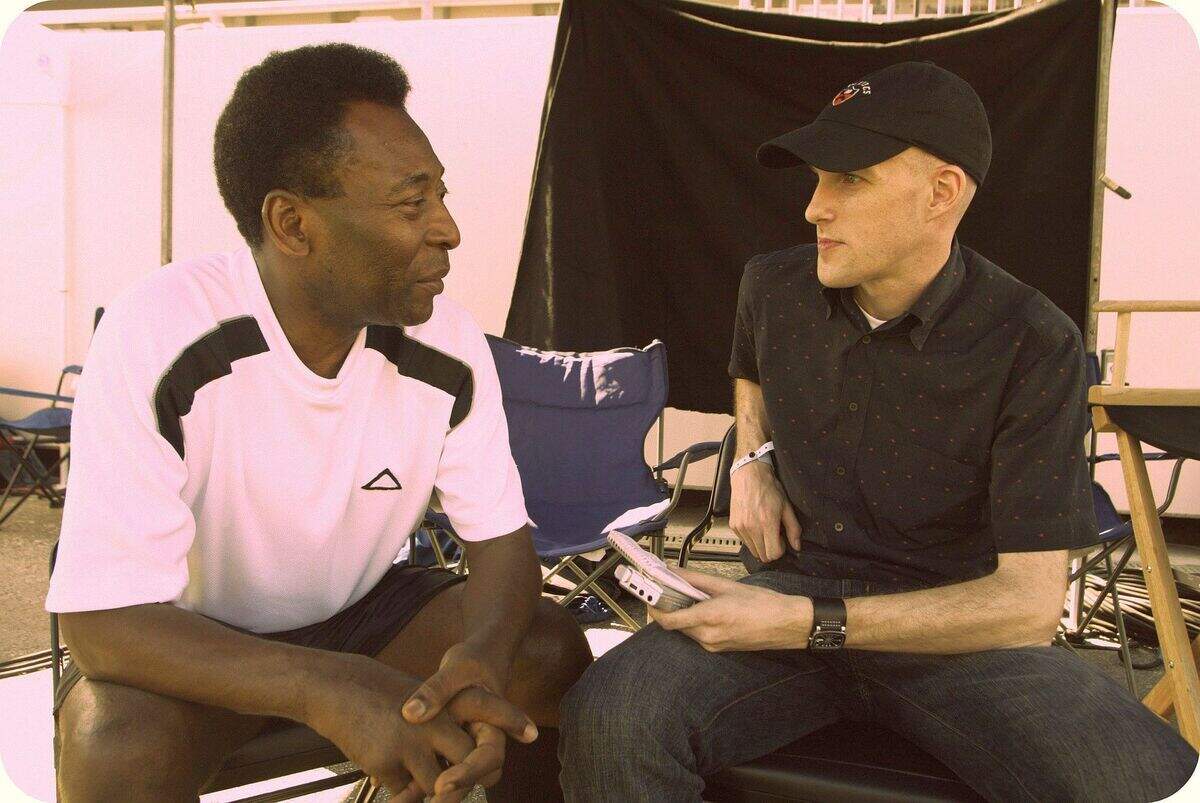
With Kansas City becoming one of the most visible cities in this year’s World Cup, Eric can almost picture the wide-toothed grin on his brother’s face. If only he were here to see it.
“He would have been so proud of our city,” Eric said.
Grant would occasionally work — write stories— from a booth inside iconic Gates Bar-B-Q’s Main Street location.
“He would have been a huge dork,” Eric said. “I guarantee he would have based himself, if not off of my couch, then somewhere nearby.”
‘He should be here’
Eric and Gounder remember clearly the quirky parts of Grant’s writing process.
He would tie himself to a chair until he was done writing. Eric recalled flying to Buenos Aires, Argentina, in 1995 to help Grant with his Princeton thesis. It was focused on the link between voting and soccer.
After the 1998 World Cup final in France, Grant wrote his story in his head as he walked the streets of Paris, the roads overflowing with fans. The host country had just won the tournament.
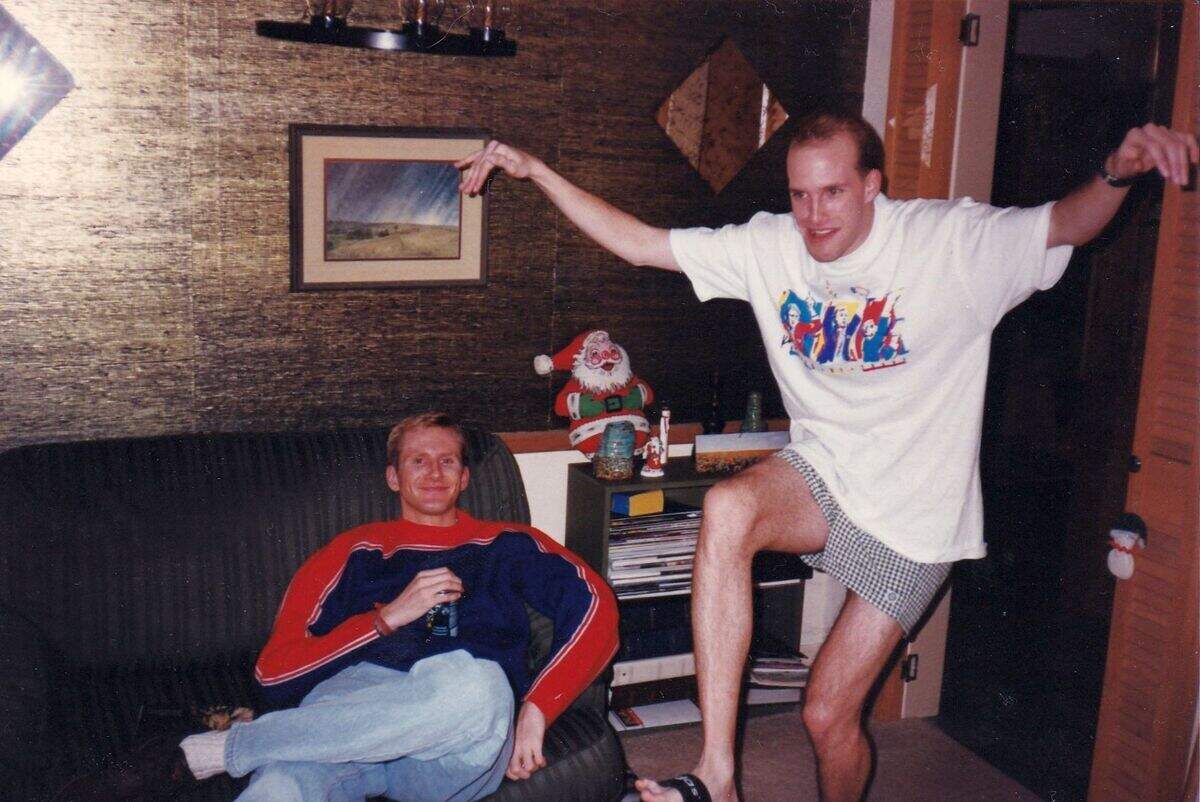
More than anything, they remember the man who always made time for the people he loved, even amid his rigorous demands of his career.
Grant talked about soccer with as many people as he could. He used it to connect dots on cultural and political levels. So passionate about the sport was he that he put in a bid to be FIFA’s president in 2011.
During the 1998 World Cup, he watched some games with Gounder’s French-speaking family members in Normandy. They were able to communicate in the language of soccer; Grant and Gounder were thus able to spend time with her grandparents together before their death.
The lovers met at Princeton in 1995 while pursuing careers in their respective fields. Wahl and Gounder, three years his junior, spent time in the same spaces with mutual friends, and Grant eventually initiated interest.
Gounder knew something was different with Wahl when he returned from his summer in Argentina wearing a custom-made aviator’s shearling jacket.
“It was a colder evening, and I just remember being like, ‘You’re not the typical Princeton guy. You’re kind of cool in a different way. I like that,’” Gounder said.
Their careers took them all over the world, which meant being apart for months at a time. They were ships in the night, seeing each other sporadically because of travel schedules.
They married in 2001 and chose not to have children. By 2011 Wahl had created a spreadsheet of their travel time and set parameters for how much he would travel — and how long they could be apart.
Gounder said the system enabled them to support one another while pursuing their own dreams.
“Being realistic about what can you do well, and in a way that’s kind and fair to the other people around you,” Gounder said. “Even then, I’m not sure that we always succeeded. But I think it requires being very intentional.”
The clouds begin to part
The clouds of grief and sorrow that had enveloped Gounder with the approach of the World Cup were dispersed by the bright orange sun of a New York Knicks championship, the team’s first in 53 years.
New Yorkers’ positive energy continued into the World Cup. The region would play host to eight matches, including the tourney’s grand finale.
“The joy that we’re seeing in New York around the World Cup ... I don’t think I completely anticipated how happy that would make me, and that has been beautiful,” Gounder said.
Leaning into her career training, Gounder recently wrote her own article for Sports Illustrated, counseling the public to be mindful of the health risks inherent in large gatherings. The World Cup is the largest in U.S. history, and she believes the country was ill-prepared for its ramifications.
Of the $625 million allocated federally to World Cup law enforcement and security, she noted, none was earmarked toward public health. That leaves host sites like Kansas City to formulate their own public health responses.
Meanwhile, Gounder is thankful media outlets are keeping Wahl’s name alive through video and written tributes. Identifying injustice in sports around the world is part of what brought them together.
It’s also how Wahl’s memory can live on now.
“What’s happening with respect to immigration, and the way in which visitors to the U.S., who are here as referees, as players, as coaches, as fans, are being treated and not welcomed,” Gounder said. “This should be an event that welcomes people to the biggest party in the world.
“I wish he were here. He should be here reporting on this.”