In KC, global World Cup fans will learn the city is friendly. Also, stats say, deadly
AI-generated summary reviewed by our newsroom.
- Residents and volunteers hope World Cup visitors will feel welcomed and safe in KC.
- Kansas City continues to struggle with gun violence problems.
- Recent shootings in Kansas City highlighted concerns about safety.
The 2026 FIFA World Cup has yet to start, but Kansas City’s summer violence already has.
On Saturday, nine people were shot in a torrent of bullets in the wee hours of the morning at a party on Troost Avenue. Two men were killed later Saturday night inside a Westport area QuikTrip.
On June 1, a young Honduran man allegedly killed his roommate because of the voices in his head telling him to do so. On Friday, June 5, a man lay dead in his apartment following a family fight.
As soccer fans from across the globe begin to descend this week on Kansas City for the 2026 FIFA World Cup, they will quickly learn that they have entered an American city eager to spread its welcoming Midwestern warmth, with flags, fan festivals and celebrations across the metro.
But if past summers are prelude, international fans and media will be made aware of another part of Kansas City — the one in which headlines will speak to what, over the last five years, has been an average of 30 homicides each June and July in Kansas City, Missouri, with another four or so for the two month-period in Kansas City, Kansas.
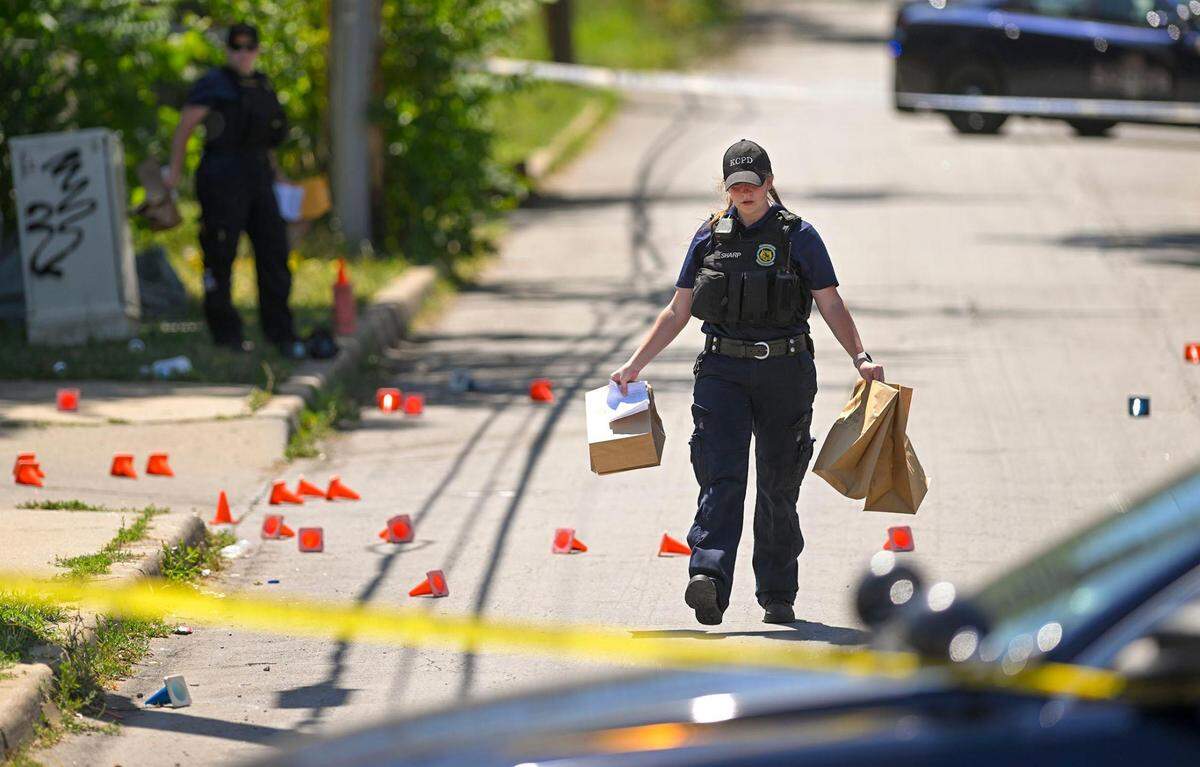
By the numbers, the two main cities, between 2021 and 2025, logged a combined 40, 32, 48, 31 and 35 homicides respectively for the two summer months, suggesting that the four homicides so far in June are likely to be joined by others.
How foreign fans and a throng of international media will reflect on Kansas City as a result waits to be seen.
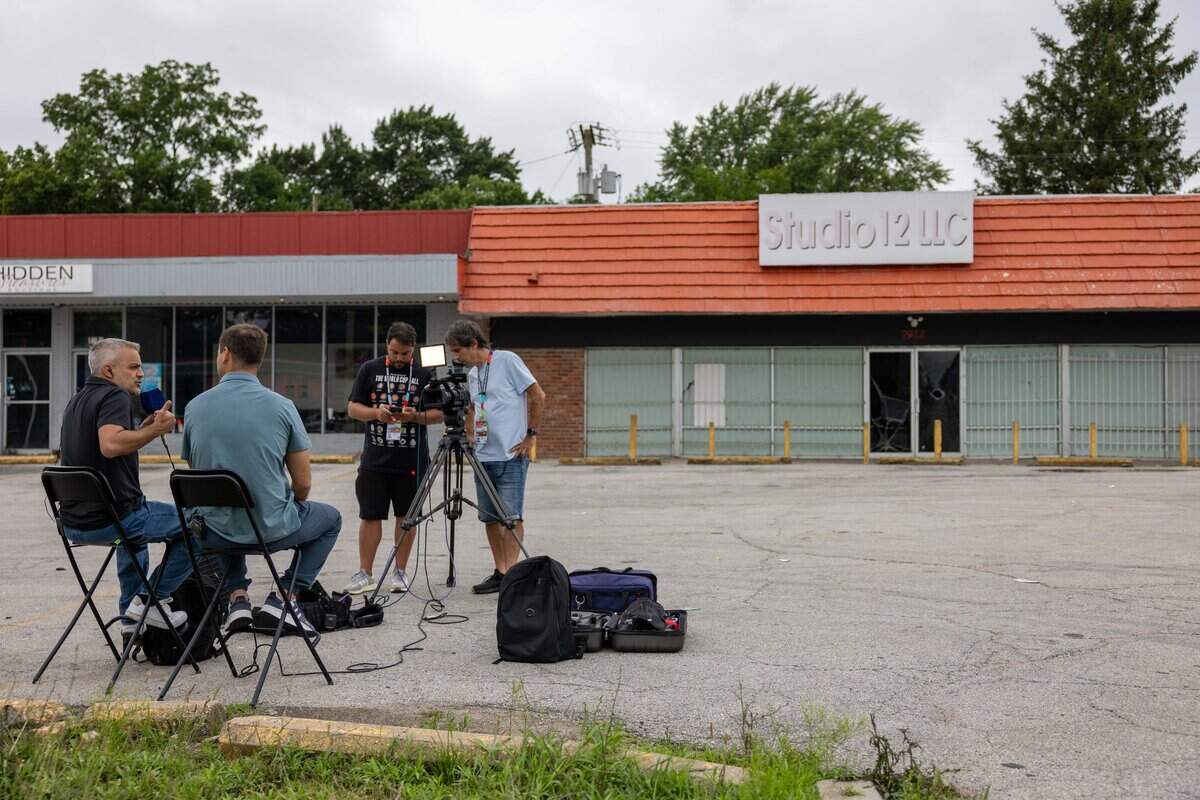
But on Monday, following the mass shooting at the unlicensed Big Mama’s Party House, 7926 Troost Ave., a television crew from Argentina set up in the parking lot of the strip mall to report on the melee — news of which had already gone international via The Athletic.
Part of The New York Times, its sports staff reported on the shooting, albeit somewhat inaccurately, under the headline, “Nine injured in shooting near England’s World Cup base in Kansas City” — no matter that England’s practice facility in Swope Park was five miles away.
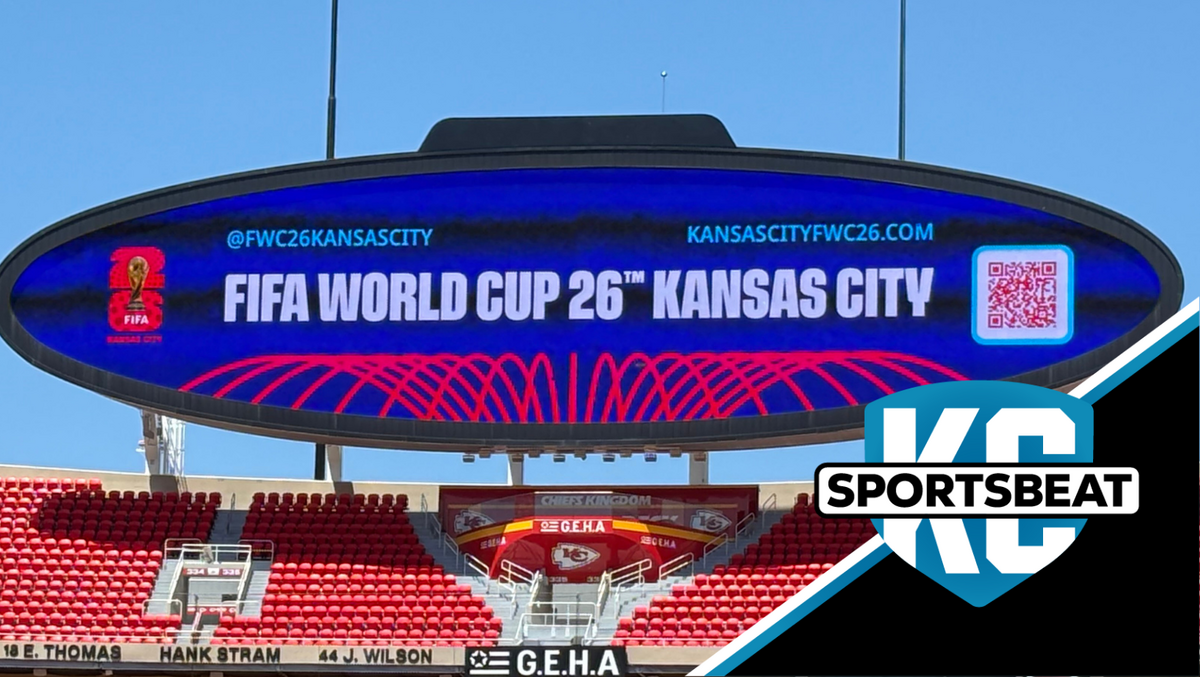
In their bid for the World Cup, Kansas City and Missouri officials looked to be set on an international stage. Now the region’s years-long struggle with gun violence is also likely to be under a microscope. In February 2024, a mass shooting and homicide at Kansas City Chiefs Super Bowl rally sparked an outcry to change Missouri’s gun laws, which remain some of the loosest in the nation.
But no action was taken.
Missouri has no minimum age requirement to possess a firearm. Legislation allows anyone age 19 or older to carry a concealed weapon without a permit. State law restrains cities and counties from enacting stricter regulations.
Culturally, summer gun shows in Kansas City are part of the landscape, with advertisements for shows scheduled before and after the tournament spread across billboards. On the Fourth of July in Kansas City, guns spraying bullets skyward has practically become a holiday rite — although this year it will be occurring during the World Cup.
‘Guests rarely find themselves in a zone of risk’
Commenting to The Star, Kansas City Mayor Quinton Lucas acknowledged the problem of gun violence in Kansas City, while also trying to reassure World Cup fans and visitors regarding their safety.
“Even in a year with homicides down locally by 20%,” the mayor said, “Kansas City and America have a problem with gun violence. No short-term tournament or major event can mask the epidemic of armed assaults and homicides claiming too many lives in our community and leading to fear and anxiety for many more.”
But he noted:
“The reality of gun violence . . . is that shootings occur typically between people with personal relationships or conflicts. As a result, tourists and guests rarely find themselves in a zone of risk.
“That tourists from Europe, Latin America, or elsewhere face little safety risk in our community does not mean we care less about harms to our own residents in Kansas City. The World Cup features a beautiful game, but it takes place in reality. In the same way crime issues did not disappear in past World Cup cities, such as Chicago, Rio de Janeiro, Detroit, Johannesburg, Washington, D.C., and other locales, Kansas City will host an exceptional tournament, keeping our local attendees and visitors safe, while continuing the steady, generational, and incomplete work of ending gun violence on our streets.”
Public safety in Kansas City
As of May, Kansas City’s nonfatal shootings were up 15% this year over 2025, while homicides, at 54, are down 21% compared to the 69 at this time last year. Overall, Kansas City in 2025 logged 139 homicides, a number that dwarfs the major cities of the World Cup teams that have chosen Kansas City as their home base.
In England, London logged 97 homicides in 2025. In Argentina, Buenos Aires had 78. In Algeria, Algiers typically has about 1.6 intentional homicides per 100,000 population, equalling about 80 homicides. In The Netherlands, Amsterdam counted 10.
During the World Cup, security is expected to be tight, with Kansas City having received $59.5 million in federal funds for security and safety, which includes $17 million for police overtime and technology to mitigate threats from devices such as suspicious, unmanned drones.
Security at the Kansas City Fan Festival, being held on the grounds of the National World War I Museum and Memorial, is to include metal detectors, a secured perimeter, entrance with clear bags, and access to the festival using a mobile app.
How Kansas City residents see it
Across Kansas City, opinions were mixed among residents on how Kansas City might be perceived as the violence seen during most summers unfurls at the same time as the World Cup.

But most who spoke seemed to agree that the majority of international visitors are likely to already be well aware that the United States has a liberal gun culture that is quite different from that of other countries. Repeated news of homicides or shootings, they said, may be met with some personal concern, but probably not shock.
“What I would say is, just believe me, that is just Kansas City,” said Fadlalla Koko, who arrived in the United States 20 years ago from war-torn Sudan. “The rest of the world knows that America is a gun culture. Got guns everywhere. . .I hope this World Cup will go safely, unlike what happened last week.”
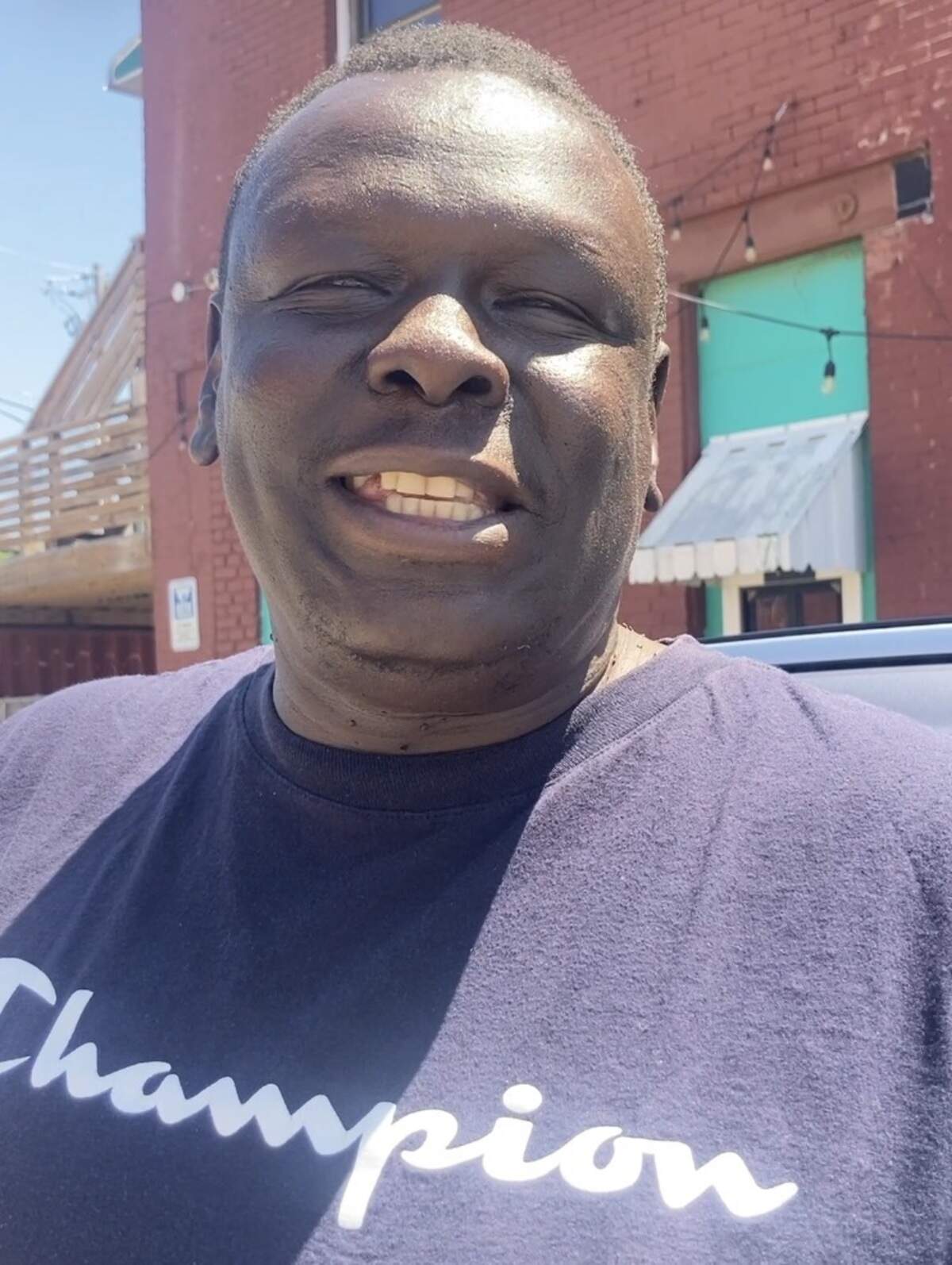
Koko was referring to the shooting at 79th Terrace and Troost Avenue. Should gunfire be heard on the Fourth of July, he said, “it will be the same image.”
“For sure they’re going to be scared . . .,” Koko said, “but I don’t think they’re going to be scared that much. Still they’re going to put that in the back of their mind.”
A resident of Kansas City for eight years, Koko comes from a nation long wracked by war, including the death of some 300,000 people during the peak of what is known as the Darfur genocide, between 2003 and 2008. Despite the history of his home country, Koko said he was shocked to come to Kansas City in 2023, when the city recorded 183 homicides.
“In Sudan, you know where the civil war at. Is going to be in the jungle. Everybody knows it and everybody will avoid it. But here, in America,” he said, mimicking a gun being placed in a waist band, “everybody’s waist or a trunk is going to be like a civil war.”
Jason Phillips, the owner of Evolve Tattoo Collective, has strung the flags of 10 World Cup nations across the front of his shop, 514 East 31st Street.

“I mean you’re going to get shootings no matter what,” he said. “It’s never really random, (where) they didn’t know the person. It’s usually related. That’s how most crimes are.”
He doesn’t think anyone will be surprised at hearing about gun violence, or be startled at the fusillade heard on Independence Day.
“Most people nowadays, you hear we all, like everybody, has guns,” Phillips said. “It’s not a surprise. If you don’t keep up with the news or anything, that’s the only way you’d be surprised that there were guns anywhere. And with like the Fourth of July: Half the time you can’t tell what’s a gunshot, what’s a firework anymore. . . . It’s almost tradition now. You shoot guns on the Fourth of July.”
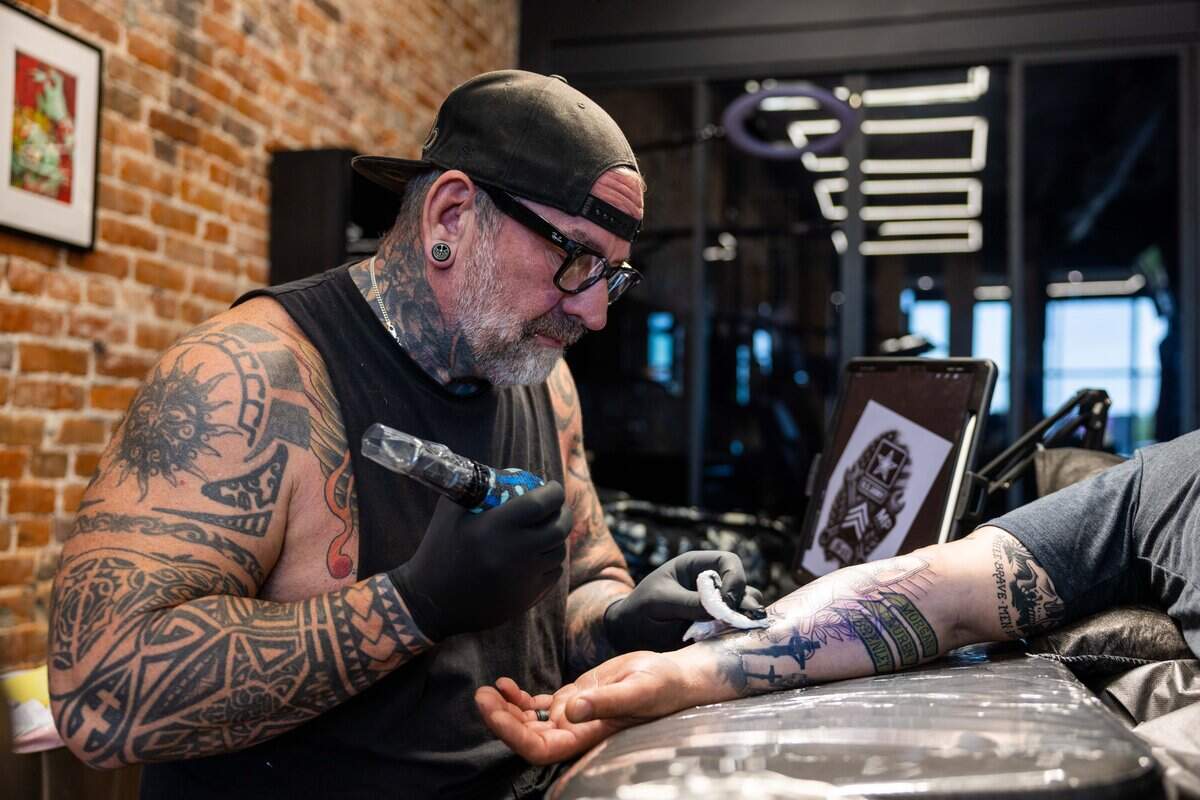
As Phillips spoke, his coworker, Lee Harding, stepped by. Originally from Manchester, England, he came to Kansas City four years ago because his wife is from Kansas City. With its guns and all, he prefers his new home.
“You get knifed in England,” Harding said. “I tell you what. I went back to the UK, to Manchester, and I feel safer in KC than I do in Manchester. Because no one will hesitate to fight in Manchester. Over here, it’s like they might have a gun, so we’re not going to fight. That’s the difference.”
America: About more than guns
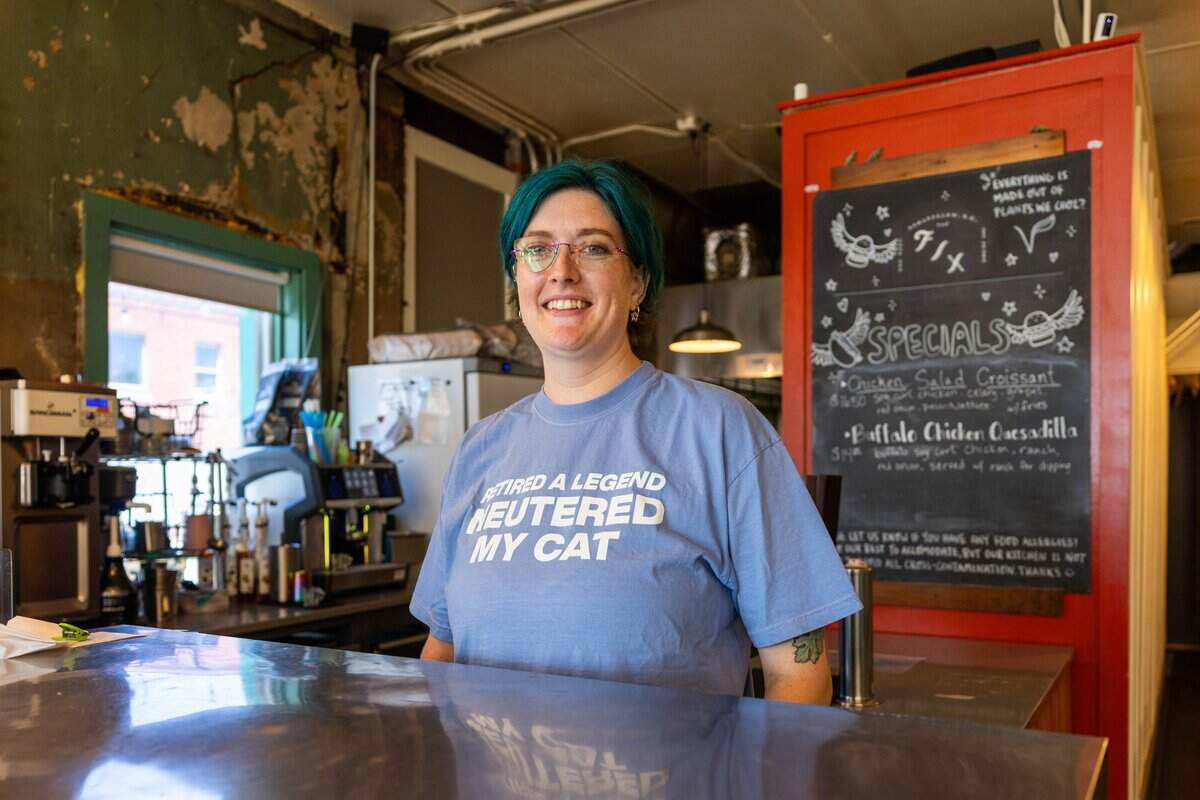
Nearby, Kiley Dujakovich, a cashier at The Fix, a vegan eatery at 600 East 31st Street, put it simply:
“People seem to think that America is just about guns,” she said. “They come expecting — do I want to say almost expecting gun violence? I don’t know— not really, but they know what America is about.
What is America about?
“The picture that people have of Americans is not the greatest,” she said. “And that’s just from my point of view of seeing stuff online. They think we’re rude, and any slight, we’ll pull out a gun. And we’re not very welcoming at all. But that’s not the America I see, especially here in Kansas City.
“I’m hoping people will come to Kansas City and see how welcoming we are. I mean, we’re from the Midwest: Please. Thank you. We’re so polite and nice. And I hope they see that and they change their point of view of what they think of Americans.”
‘I hope we have opened our doors’
Esther Sparks and her mother, Margy Sparks, said whatever impressions visitors have of Kansas City are hard to detach from the impressions they may have, overall, of the United States.
That impression has soured, Margy Sparks suggested, given the Trump Administration’s crackdown on immigrants by the Department of Homeland Security.
“People already have this preconceived conception of us,” Esther Sparks said. “Then you’re adding the already existing gun violence that’s in the country, the mass shooting at schools, and really everywhere. So you add the World Cup and the Olympics in L.A. are coming up. So it’s not just, ‘What about Kansas City?’ It’s ‘What about America?’”
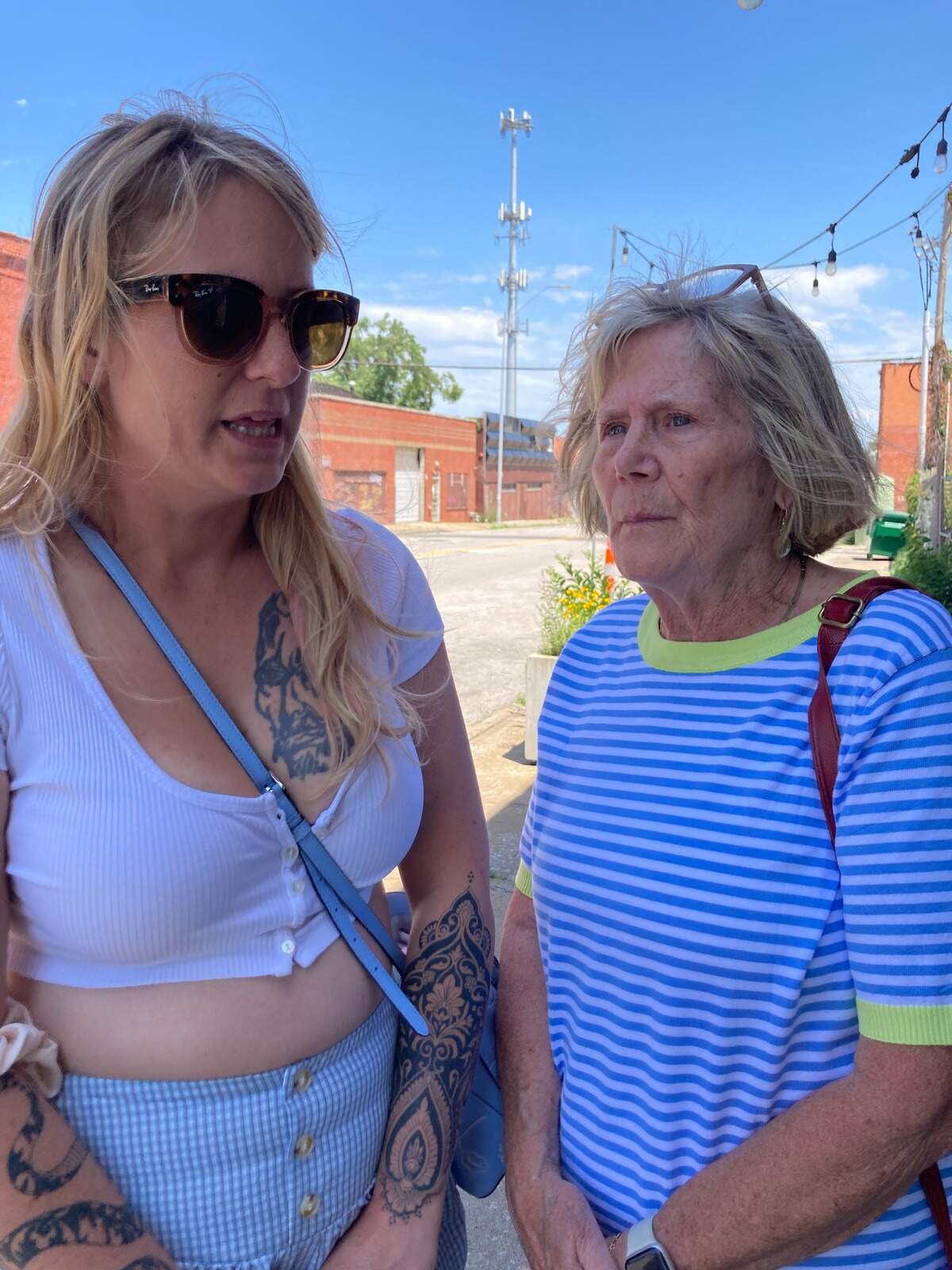
Again, she anticipated no surprises. “No, I think we’re living up to what we already have out there,” she said.
Margy Sparks choked with emotion and wiped tears
“I get emotional,” she said. “With all these people coming in, I hope they enjoy it. I hope we have opened our doors and said ‘Come. Come to us.’ You know those signs that say, ‘No ICE’? I hope they stay away.”
Julie Hernandez reasons if visitors did any research on Kansas City, they’d understand its problems.
“If they’ve heard about Kansas City, they probably wouldn’t be surprised that there is violence. There’s always homicides, murders, people going to jail, people getting stopped. If they’ve heard about Kansas City, they probably wouldn’t be surprised.
If they don’t really know Kansas City, maybe they’d be surprised about how much crime there is here.”
‘A chill place’
At Berkley Riverfront Park, television journalist Ivan Vilchis from Mexico City, was wandering the area with his photographer at the Origin Hotel, where Argentina’s World Cup team is staying, to report for TV Azteca.
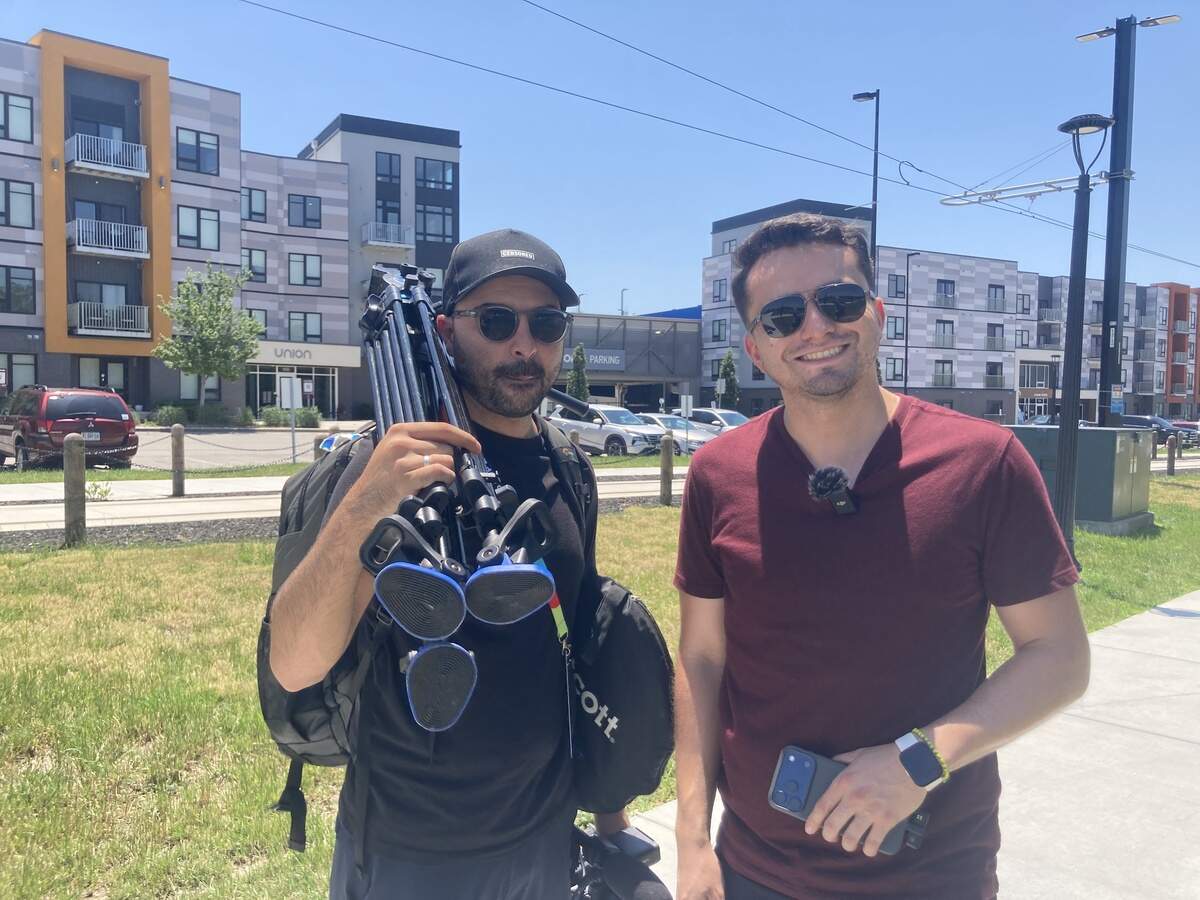
“I think that in Mexico, the news of Kansas City, they are not like shooting, or someone that do a robbery or something like that,“ Vilchis said.
“In Mexico, I think we know Kansas City as the house of the Kansas City team, of the Chiefs, and things like that. I think that when someone thinks of Kansas City, the first thought that you can give is that Kansas City is a good place. It is a good city to visit. And now with the World Cup, I think it is a place to know and to discover — a great place, a great city, a safe place.
“I think that that’s the first thing that someone of another country, and of another place, I believe that is the first thought of Kansas City. I never saw something about the violence of the city or something like that. I think it is a chill place, a chill city. The people is friendly. It’s a city that you can go wherever you want, you won’t have problem with other people.”