
On The Vine: So you want to say the n-word?

How do you solve a problem like Joe Rogan?
How do you catch racism and pin it down?
I don’t actually know if I’d out and out call Joe Rogan a racist, but I think that’s beside the point, and not really why I’m here today.
I guess I want to blather on something a little stickier. Rogan, after all — in addition to allowing the spread of COVID misinformation — is under fire (this week) for repeated past use of the n-word on his podcast.
The n-word. N-word.
What are we saying by not even saying the word? What does our discomfort with the word in any context say about the power it holds and our willingness to contend with it?
Before you start to worry, in no world am I advocating for Rogan’s willy nilly use of the word. But I wonder, when should it cut through?
I, for most of my career as a journalist and purveyor of words and ideas, been a proponent of if someone uses the racial slur, writing it on the page. Not hiding from; allowing it smack readers in the face and make them uncomfortable.
There’s something about “the n-word” that’s safe, welcoming and accepted that does not sit well with me. I never want the weight that word carries, with which it lands in the gut and fries the nerves to be agreeable. It should make you uncomfortable. It shouldn’t sit well.
No one who’s calling me a “nigger” is doing so nicely.
If it was never uttered again, that’d be fine by me. But until then I’ll plan to keep flashing its handle in this racism standoff saloon.
Rogan was out of pocket for saying it. The context was removed, but that much is true.
Around the block
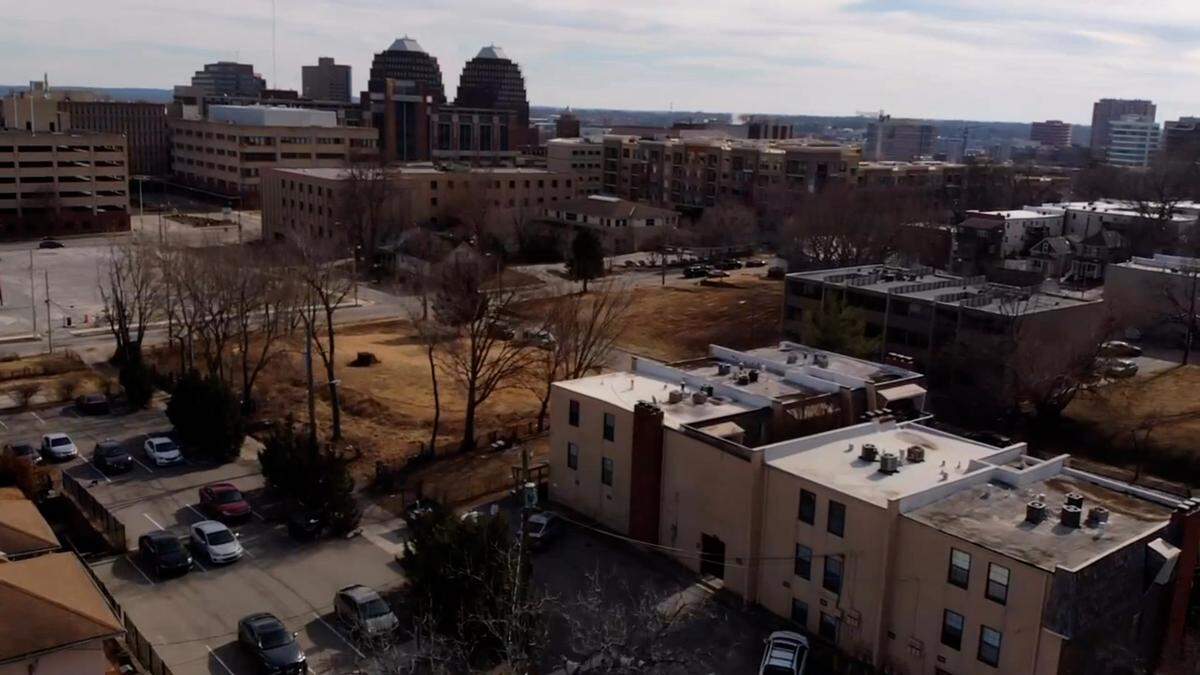
A village and a treasure: the almost forgotten history of an early integrated KC community
This month, we wanted to give you all a lesson in Black history: Kansas City style. KCQ, The Star’s partnership with the Kansas City Library, is answering questions specifically related to Black history around the region.
Most recently, the question answered: How did a small Black neighborhood, sandwiched between Westport and the Country Club Plaza, flourish in the days when restrictive covenants excluded people of color from owning homes in certain areas?
Randy Mason, writing for The Star, has the story of Steptoe:
The area that came to be called Steptoe officially began life in August 1857. It was called Pate’s Addition to the Town of Westport, named after Henry Clay Pate. He was a Virginia native, and a prominent figure in the pro-slavery movement.
Yes, you read that right.
Steptoe reflected that trend of Black migration. The 1900 census reported that the 4th Ward, home to both of Pate’s Additions, now contained 220 people, and 34% of them were Black.
Rather than a completely “Black enclave,” Smith says those stats describe a “relatively unsegregated working-class community”—one whose residents were primarily employed in manual and domestic labor.
In the early 1900s, the numbers of Black families continued to climb. Streetcar lines made it possible to live further from the workplace, whether it was railyards, a plumbing shop or the home of an affluent family that needed childcare.
More to read...
Here’s what leaders in Kansas City say they want in the search for a new police chief
‘You don’t say that:’ Park Hill students protest after teacher repeated racial slur
Kansas City names violence prevention leader, first Black woman, to health director post
Police investigate hackers who showed child porn, yelled slurs at Rockhurst virtual event
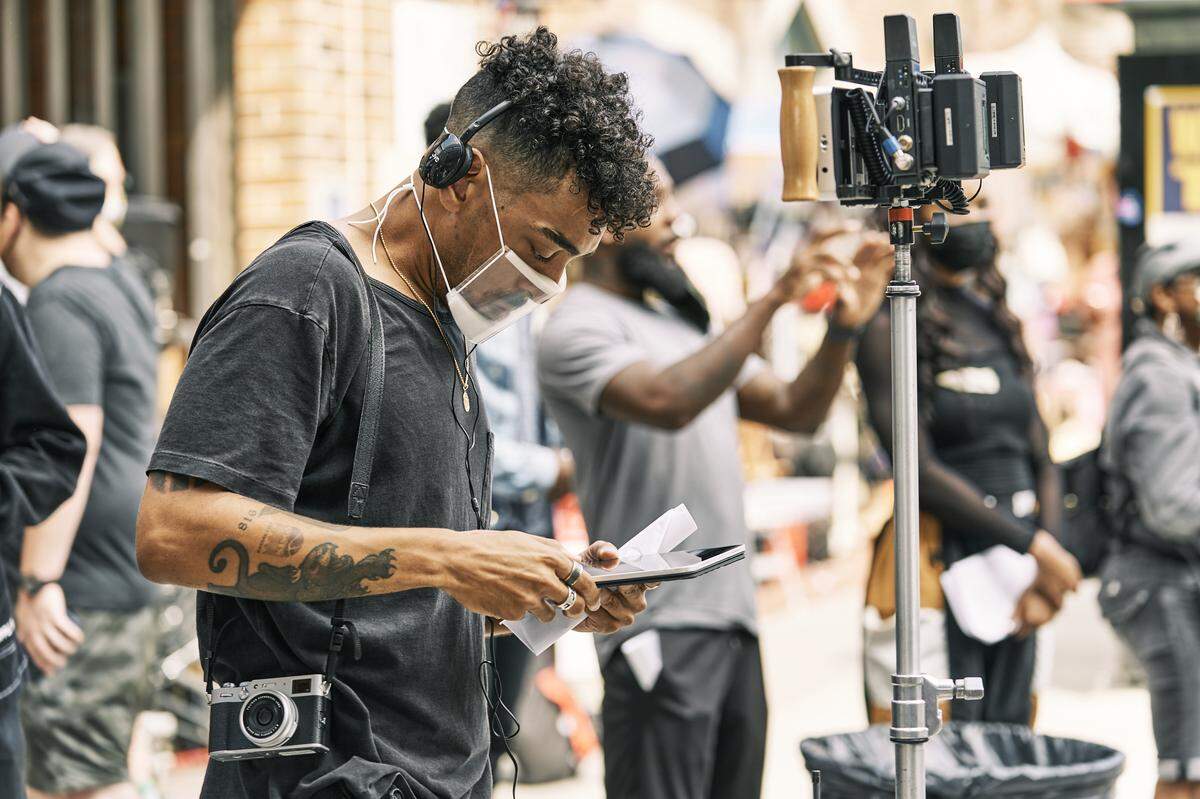
Meet the Kansas Citian behind ‘Bel-Air,’ the new dramatic reboot of ‘Fresh Prince’
Shoutout to Will Smith for being a step closer to nabbing his first Oscar. And shoutout to Morgan Cooper for successfully grinding, and adapting the cultural touchstone that rocketed Will Smith to fame in the first place.
The new dramatic reading of the ‘90s comedy “The Fresh Prince of Bel-Air” premieres this Sunday.
For The Star, Rob Owen would like to introduce you to the Kansas Citian who created it:
Morgan Cooper knew he had hit on something powerful.
The Kansas City filmmaker reimagined Will Smith’s ’90s sitcom, “The Fresh Prince of Bel-Air,” in the style of a gritty, modern premium cable drama. Three years ago, he gathered cast and crew in Kansas City and Los Angeles to make a 3 1/2-minute DIY short, a trailer for a reboot that existed only in his mind — at the time.
That trailer now has more than 7 million views. And within 12 hours after it appeared on YouTube, Smith’s production company was calling...
Cooper began shuttling back and forth between Kansas City and Los Angeles, building his resume with cinematography work and shooting commercials. Eventually it got to the point he was spending more time in Los Angeles hotels than back home in KC. He moved to L.A. in early 2019, around the time he released the “Bel-Air” short on YouTube.
“It wasn’t about trying to find a reboot idea or anything,” Cooper says. “It came from a place of pure inspiration and really having a perspective on how I would reimagine this iconic sitcom. … Every component of the vision was clear to me: From how it sounded, the tone, everything was there, so I had to make it.”
There’s no laugh track in Cooper’s short, which features Will Smith (Jerry Madison) getting sent from West Philadelphia to live with rich relatives in California. Will tells his Aunt Viv (Kira Ashby), “My life ain’t a sitcom. I don’t even feel like I belong here.”
Beyond the block
Spotify quietly removes 113 episodes of Joe Rogan’s podcast amid ‘misinformation’ and ‘horrible’ n-word clips
Over the weekend, Joe Rogan, the host of Spotify’s most listened to podcast, “The Joe Rogan Experience” issued an apology after a clip of the podcaster — I guess he also considers himself a comedian? — compiled from snippets of many past episodes showed him repeatedly saying “nigger” in different contexts.
The compilation video was shared by singer-songwriter, and R&B soul icon, India.Arie on Instagram, which is where it found me. It’s worth noting that after his apology, Arie said she didn’t believe Rogan to be a racist for using the word.
To say the least, however, the clip created a fervor across the internet. Which led to many calls for Spotify to drop Rogan — which, come on, he’s too valuable to them for that. In the end, the music and podcast platform stood by him while, with no announcement, removing episodes from the service.
Ben Sisario reported for The New York Times:
Rogan said the compilation was drawn from “12 years of conversations” on his show, and that it looked “horrible, even to me.” The clips, he said, had been taken out of context, which he said included discussions about how it had been used by comedians like Richard Pryor and Redd Foxx, who were Black, and Lenny Bruce, who was white.
When posting the clip compilation, Arie said that Rogan “shouldn’t even be uttering the word. Don’t say it, under any context.” In his video, Rogan said that he had come to agree with that view. “It’s not my word to use,” he said. “I’m well aware of that now.” He added that he had not spoken the slur “in years.”
You want more?...
Fact-Checking Joe Rogan’s Interview With Robert Malone That Caused an Uproar
I have a name for what fueled Joe Rogan’s new scandal: Bigotry Denial Syndrome
Don’t be out of pocket
Did someone forward this newsletter to you? You can sign-up here. If you’d prefer to unsubscribe from this newsletter, you can do so at any time using the “Unsubscribe” link at the bottom of this message.