Welcome to On The Vine
Allow me to (re)introduce myself. The name is Trey Williams. I’m The Kansas City Star’s editor for race and equity issues, and this is On The Vine. I want to be the first to welcome you to our new newsletter placing the stories, issues, and headlines that matter to Black Kansas Citians and communities of color in the spotlight, and dropping them in your inbox each week. But just so we’re clear, On The Vine is meant to be so much more than that. This newsletter is the beginning of a conversation between us and you, the community.
We at The Star recently made a promise — one that required acknowledging a long history of harmful iniquity toward Black Kansas Citians — to not only better cover our communities of color, but fully engage and share in the lives of the diverse communities that give this truly dope Midwest town so much life. That’s what I’m dedicated to doing each week through this newsletter.
We’ll bring you stories from The Star that are relevant to communities of color in our region, but also highlight headlines and stories from across the country that should be on your radar. We’ll bring you cultural news and provide you with resources you need to help make Kansas City-living a gem. Over the course of On The Vine — when you get tired of hearing me sound off — we’ll have other reporters from The Star newsroom serve as guest “host” and contribute to the newsletter as well. Y’all, I’m excited about getting the opportunity to have this platform to communicate and engage with you.

What if Black rioters attempted a coup at the Capitol?
The Star’s Toriano Porter killed it with this one — though it’s beyond unfortunate he even felt he needed to. The scenes yesterday at our nation’s Capitol were appalling and enraging. Let’s be frank y’all, there were white supremacists among the group who stormed the Capitol, broke in and attempted a coup in all but name. Images surfaced of the confederate flag being carried through the halls of what stands as a symbol of our nation’s democracy, threatening that very ideal. What added to that, and had me choking back tears watching the pandemonium unfold, is what Toriano so astutely nails here:
“Now imagine for a moment that hundreds of heavily-armed Black rioters had attempted a coup at the U.S. Capitol. Do you think the response from law enforcement would have been different?”
No mental gymnastics are necessary here. Last June, armed members of the D.C. National Guard stood on the steps between the Lincoln Memorial and peacefully assembled Black Lives Matter protesters. This is America.
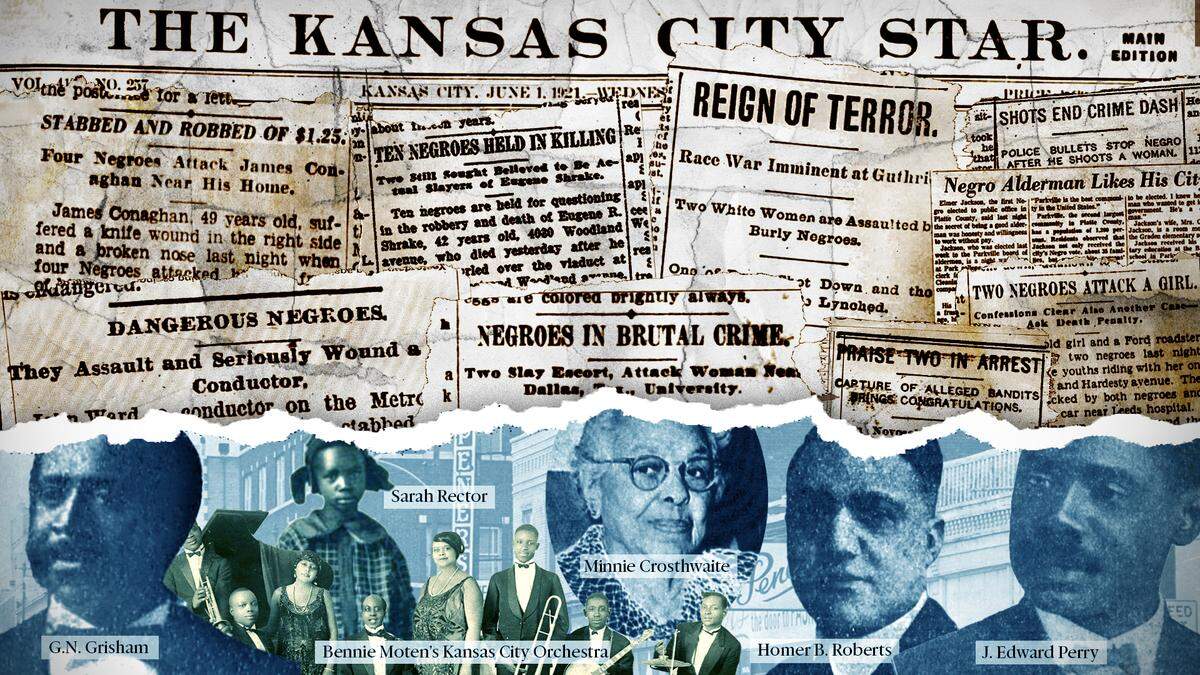
“The Truth in Black and White”: Our promise to you
In case you missed it, in December The Star published a series of stories examining the many, often shocking (in some respects), ways the paper failed and actively damaged the Black community in Kansas City. It was a months-long undertaking by reporters at The Star that started as a germ of an idea from a longtime journalist here, Mará Rose Williams, as the country began to reckon with its relationship to racism following the killing of George Floyd. I say all that, because I think it’s important you know this was not some charge given to us by corporate overlords. We did that.
The 1977 Brush Creek flood
The project started with an apology — long overdue, but heartfelt. As part of the project we focused on how we failed communities of color during one of the most devastating floods in Kansas City’s history, giving all our attention to damage done to the Country Club Plaza and straight up ignoring the lives lost and the devastation in the Black community.
J.C. Nichols, William Rockhill Nelson and development
J.C. Nichols, the developer of the very same Country Club Plaza, was a purveyor of racist ideals and practices, such as redlining and segregation. The Star’s founder William Rockhill Nelson supported Nichols, and helped promote his vision of white supremacy in Kansas City.
School desegregation
When it came time to desegregate schools in Kansas City, as ordered by law, the city’s school board went out of its way to make decisions that kept Black and white children apart. These were practices that deprived children of the same resources, development and education, y’all. The Star and its sister paper, The Kansas City Times, stayed quiet, acting as if segregation were some nasty monster living only in the South.
Crime and civil rights
Despite Jim Crow being alive and well in Kansas City, The Star pretended like protests demanding civil rights weren’t happening. Instead the pages of The Star continued to paint Black people in Kansas City as mere criminals, victims of crime and brutes. That view took a generational toll.
Kansas City culture
Even if The Star didn’t want to acknowledge, we know Black people are so much more than criminals and derelicts. Kansas City alone calls itself home to such lauded sons as Charlie “Bird” Parker and Satchel Paige. Allow me to push back on the fallacy that music and sports are the only places where we can make our mark by reminding you of Sarah Rector, who became the first Black female millionaire at the age of 10, and called Kansas City home for 50 years.

One for the history books
Don’t let this be overshadowed by the insurrection at the Capitol on Wednesday. Raphael Warnock made history this week, becoming the first Black senator for his home state of Georgia — a state that for Black American’s holds so much weight.
For The New York Times, reporter Astead Herndon wrote:
“Mr. Warnock’s journey from Black pastor to Black senator is an exercise of a different type of faith: It’s a belief that American politics can change from the inside, that the Democratic Party’s most loyal voters can see themselves represented in Congress. That there is room to push the country forward within its institutions, rather than diagnosing its problems from outside.
“The latter is something Black pastors, who by tradition often tell uncomfortable truths, have done for centuries. The Black senator is a singular road, occupied by few people in American history, and none from Georgia at all.”
That’s all for now!
This is just the beginning, both for On The Vine and in terms of the promise The Star has made to Black Kansas Citians and the city’s communities of color. I’m here for you, and hopefully through this newsletter we can cultivate a necessary dialogue. See ya next week.
If you’d prefer to unsubscribe from this newsletter, you can do so at any time using the “Unsubscribe” link at the bottom of this message.
This story was originally published January 7, 2021 at 12:49 PM.