
Missouri protects electrical utilities as a monopoly. That’s no free market | Opinion
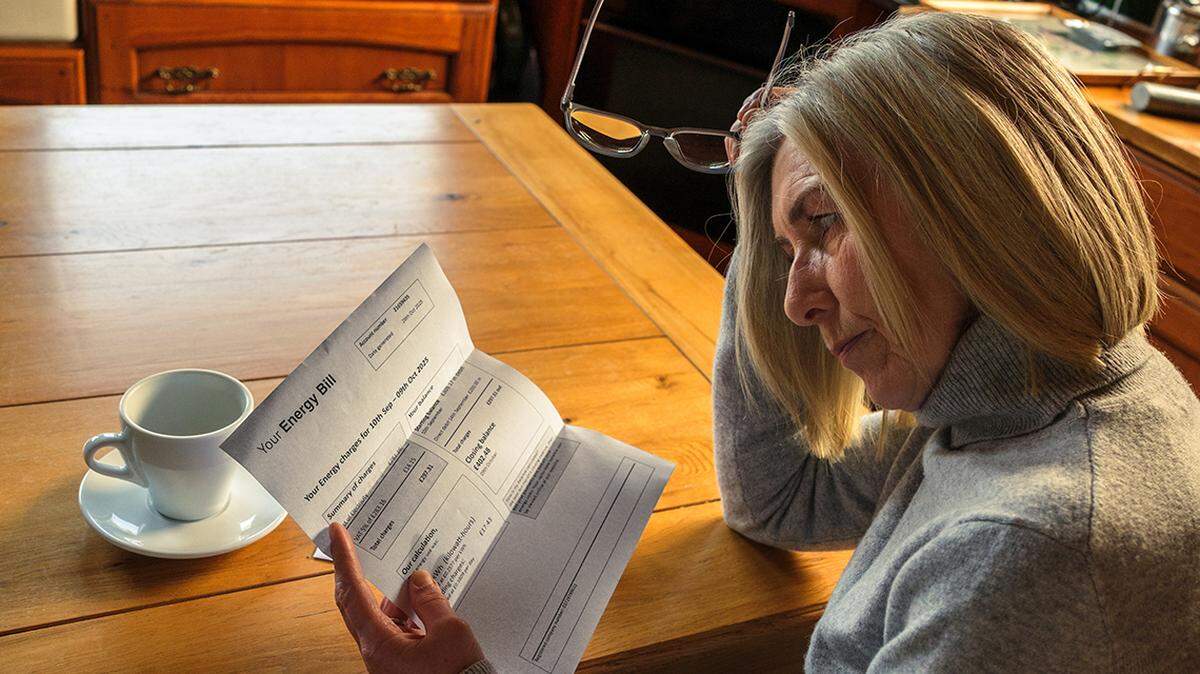
Missourians were told this legislative session was about affordability.
Lawmakers proved they can move quickly when they want to. Look no further than the swift action on income tax relief. But when it comes to another unavoidable household cost — electricity — urgency disappeared.
More than 300 bills relative to utilities were introduced in the House and Senate in Jefferson City this session. Only a handful would have addressed energy affordability. Of those, zero were taken seriously.
Families, small businesses and major employers across Missouri are feeling the squeeze. They don’t have the luxury of waiting while policymakers punt real solutions. Yet that’s exactly what happened, as commonsense energy bills — including proposals to introduce competition into a stagnant market — were left to gather dust.
That’s a failure of priorities.
The root of the problem is simple: Missouri’s electric utility structure is a government-protected monopoly. Consumers can’t choose their provider. They can’t shop for better rates. They are stuck in a system where one company controls it all.
That’s not a free market.
Lawmakers had a chance to change that. Three of them stepped forward to modernize our electricity system. State Sen. Nick Schroer and state Reps. Don Mayhew and Tricia Byrnes all introduced a bill that would have begun breaking up our utility monopoly, creating a competitive energy market that empowers consumers to hold utilities accountable. These weren’t radical ideas. They’ve worked in other states, helping control costs and expand options.
Instead, lawmakers chose inaction.
That stands in stark contrast to last year, when utilities pushed for Senate Bill 4, construction work in progress or CWIP. That policy was fast-tracked.
Why? Because policymakers were influenced by a very powerful utility lobby — one that’s now standing in the way of change that would benefit consumers.
Collectively, Missouri utility companies have double the number of lobbyists compared to state senators, and they will go to any extreme to protect their cash cow monopoly. Sadly, as our electric rates climb, the dollars we pay the investor-owned utilities are used against us for those lobbyists and as gifts to lawmakers, all in an effort to increase utility profits.
Utilities lobbied hard for CWIP and can now charge us for massive infrastructure projects before they’re built — before they deliver a single watt of electricity. All the while, we’re left signing blank checks for the cost of the project, overruns, delays and every other financial risk associated.
Ameren, Evergy shielded from competition
This year, the Public Service Commission approved nearly $2 billion so far for two Ameren power plants — not including the undisclosed amount for a renewable energy project. And Evergy was approved for $1.75 billion to build a solar farm and gas plants. Those are starting prices that are bound to go up.
In a real market, private energy companies take on that risk. But here, ratepayers foot the bill and utilities are guaranteed a profit.
That’s not capitalism. That’s monopoly.
When lawmakers had the chance to restore balance this year, they stood still.
Energy is one of the few expenses that consumers can’t control. You can shop for groceries or insurance — but not electricity. Your only supplier — your utility — is dictated by geography. That’s a policy choice influenced by utilities.
Free markets reward efficiency and innovation. Monopolies do the opposite. They shield companies from competition and leave consumers with nowhere else to turn.
Missourians deserve the same level of urgency on energy affordability that they saw on CWIP or tax relief. They deserve leaders willing to stand up to entrenched interests and put consumers first. And they deserve an energy system that works for them — not one that works against them.
As the cost of electricity continues to increase, the path forward should be clearer than ever. End the lopsided monopoly game and show us a competitive market with energy choices that force suppliers to earn the business of consumers.
Byron Keelin is the president of Freedom Principle MO, a 501(c)(4) nonprofit dedicated to advancing principled policy solutions.