
Despite federal cuts, Kansas must work harder to prevent maternal deaths | Opinion
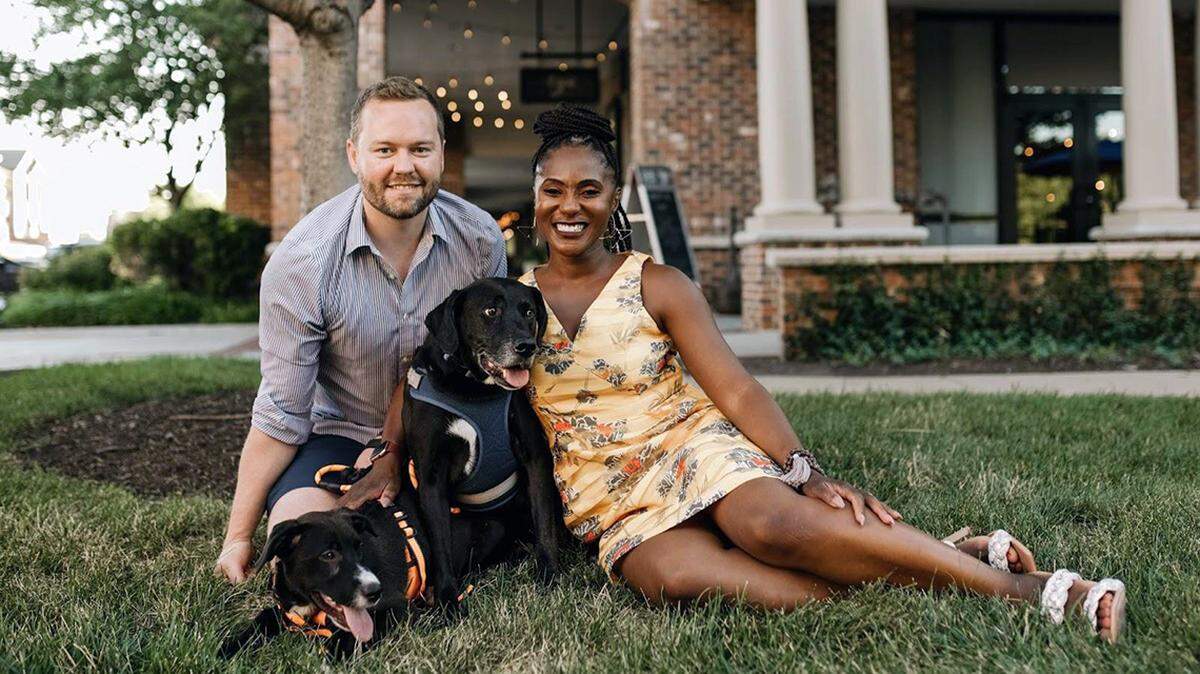
My wife, Krystal, was 21 weeks pregnant when everything changed.
We were doing what expecting parents do: imagining our daughter Charlotte’s future. Picturing what it would be like to walk to and from school, show her Krystal’s performances as a Kansas City Chiefs cheerleader, and learn what kind of person she would become.
Krystal was best known for her cheerleading, but she was also a brilliant software engineer who worked on maternal health tools. She understood the risks of pregnancy, especially for Black women who face higher rates of complications and death. Our first pregnancy had ended in loss, and we carried that fear with us. So when she said something felt off with Charlotte, we acted.
At first, Krystal and Charlotte seemed stable. There were no alarms — just the brief exhale of parents who know how quickly things can change. A few hours later, they did, and we lost our rainbow baby.
In that kind of grief, time collapses. We held each other and cried. What we didn’t know was that while we mourned our daughter, Krystal’s body was beginning to fail. Signs of sepsis appeared. But the urgency her condition demanded didn’t match the care she received. Within hours, Krystal was in multi-organ failure.
After surgery, I stayed by her side, talking to her and playing our wedding song, hoping she could hear it. Three days later, my wife was gone.
I’m sharing this because what happened to my family should never be acceptable.
In Kansas, it’s part of a broader pattern. The Kansas Maternal Mortality Review Committee reported 153 pregnancy-associated deaths from 2016 to 2022, with nearly 70% of deaths occurring during the postpartum period, and the vast majority of which were deemed preventable.
Preventable should mean something.
It’s why maternal mortality reviews matter. These committees examine deaths during pregnancy and up to a year afterward, identify what went wrong and recommend changes for hospitals, clinical practice and the systems that support patients before and after pregnancy. This is how protocols improve, and warning signs get taken seriously.
Connecting these dots and learning from them is how other lives can be saved. It’s how protocols can be improved. It’s how Krystal’s story doesn’t have to become someone else’s.
But this work relies on funding and data infrastructure, including federal support. That support is now at risk. A coalition of states is suing the U.S. Department of Health and Human Services over major public health funding cuts and restructuring, and courts have temporarily blocked some changes while the case proceeds. I joined other families and community groups in a friend-of-the-court brief because Kansas’ ability to learn from deaths like Krystal’s depends on it.
If we want fewer families to live with stories like mine, the next steps are clear.
Courts should permanently stop any attempt to dismantle the federal programs that support maternal death review and prevention. Kansas lawmakers should fully fund and staff our state review committee, and act on its recommendations. And health systems must implement data-driven changes, train clinicians to recognize and respond to complications quickly and be held accountable when these failures repeat.
As Midwesterners, we have an innate get-it-done attitude. We’re not powerless. When we see a problem, we do something about it.
I can’t bring my wife or children back. But together, we can decide that “preventable” is not just a box checked after someone dies. We can demand that we do something about these tragedies and ensure mothers who walk into a hospital can trust they’ll get every possible chance to come home.
Clayton Anderson is a maternal health and stillbirth awareness advocate. He lives in Leawood.
This story was originally published February 27, 2026 at 5:06 AM.