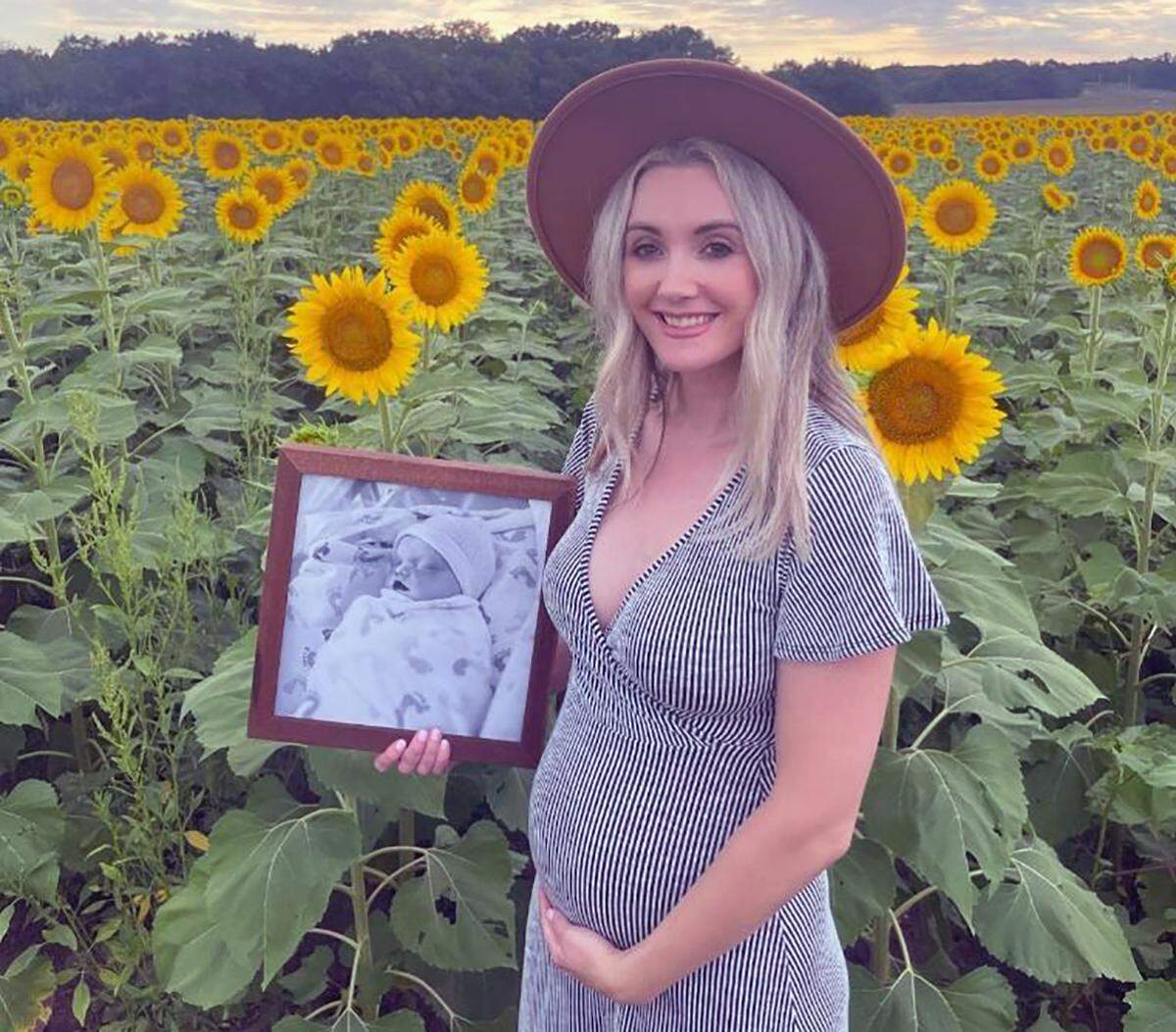
We must do more to prevent stillbirths — and save mothers’ lives, too | Opinion
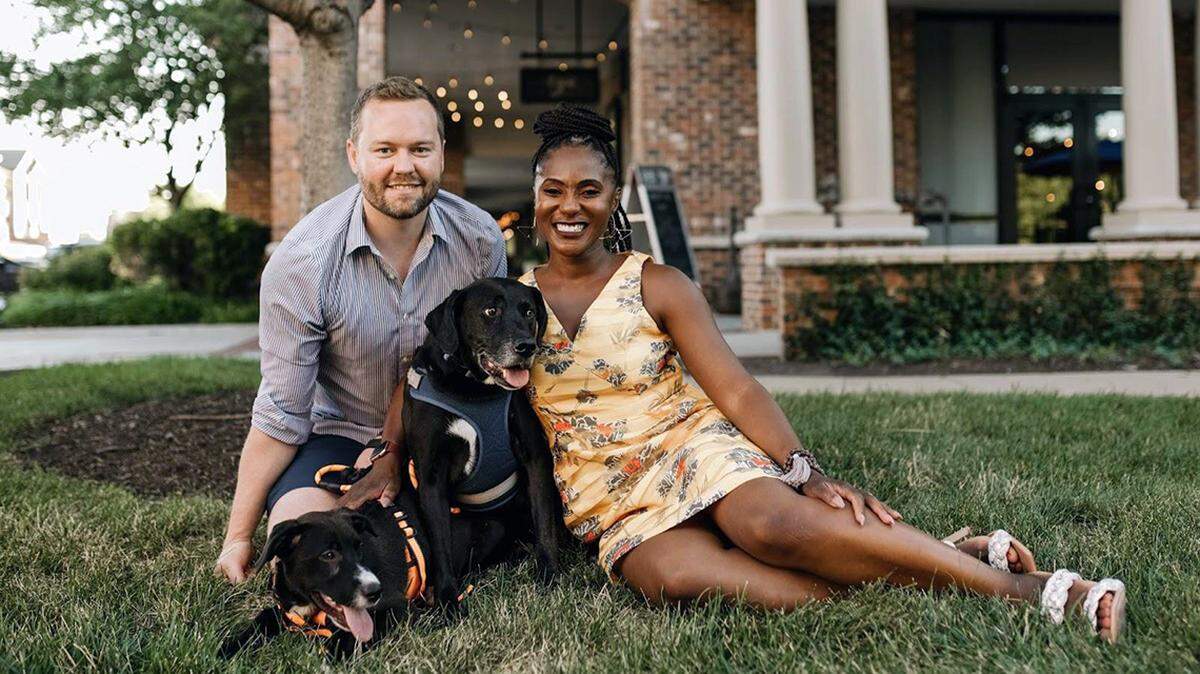
Sept. 19 is National Stillbirth Prevention Day, a day recognized by Congress to increase awareness about the public health crisis of stillbirth, the loss of a baby at 20-plus weeks of pregnancy. It’s one of the most underfunded, under-researched and overlooked maternal health outcomes in the United States, despite the Centers for Disease Control and Prevention reporting it happens to 1 in every 175 pregnancies, and twice as often in Black pregnancies.
Every year, 570 families in Kansas and Missouri experience the pain of losing a baby in the final weeks of pregnancy. Some families like mine experience the double tragedy of losing both mom and baby. Too many never hear the word “stillbirth” until it happens to them. I have met several other parents who have personally experienced this heartbreak, and we know prevention is possible.
My wife Krystal Anderson and I lost our first child, James, in November 2022. During our second pregnancy, we saw our daughter Charlotte’s perfect heartbeat during a 20-week hospital visit — but when checked again 2 1/2 hours later, we had lost her. As a result of losing our daughter, Krystal began to suffer from maternal sepsis. Krystal fought for four days, including enduring three surgeries, but tragically passed away on March 20, 2024.
Shortly after Krystal’s death, I met Kansas City mother Erica Bailey, whose first pregnancy was “picture perfect” — until it wasn’t. Her son Rhoan died seven days before his due date in March 2020. She said the only obvious red flag was a change in his movements. Like many, she didn’t know stillbirth was a possibility until it happened to her. She wishes she had been educated on recognizing her baby’s normal movement patterns, and has no doubt her son would be a thriving 4-year-old today if she’d had that knowledge.
On National Stillbirth Prevention Day, in honor of Krystal, James, Charlotte, and Rhoan, I am shining a light on stillbirth and the connection between stillbirth and maternal mortality and morbidity. We can and must do more to prevent tragedies like ours from happening to other families.
Research shows that 1 in 4 stillbirths is preventable. Evidence also points to a direct link between stillbirth and maternal mortality and morbidity. More than 15% of maternal deaths within 42 days of delivery occur in women who experienced a stillbirth. My wife Krystal was part of that 15%. Pregnancies ending in stillbirth have a four times higher risk than average for severe maternal morbidity, regardless of the cause of stillbirth. Additional research into stillbirth prevention wouldn’t only save the lives of babies — it could save the lives of mothers, too.
National Stillbirth Prevention Day is critical to bring stillbirth out of the shadows, to share proven solutions such as Count the Kicks, a free, easy-to-use smartphone app that helps expectant parents learn their baby’s normal movement patterns so they can seek evaluation if something changes. This day can elevate the need for more research, and show support for prevention legislation. It’s also a chance to provide community to the many families like ours who have experienced this tragedy.
Please join me in recognizing National Stillbirth Prevention Day by getting involved in efforts to improve birth outcomes across the country. Here are two simple ways to make an impact:
- Ask Congress to pass the SHINE for Autumn Act, federal legislation that focuses on preventing stillbirths through enhanced data collection, research, education and awareness.
- Encourage maternal health care providers to share free Count the Kicks resources with their patients and share with every expectant parent you know to improve their chances of a safe and healthy delivery.
Let’s make stillbirth, maternal mortality and maternal morbidity health tragedies of the past.