
Kratom and 7-OH aren’t cure-alls. But Missourians need help with pain | Opinion
I live with chronic pain every day. When I get up in the morning, the first thing I feel is the sharp pull from the nine screws and two pins in my spine. It dictates how I move, how long I can stand, how much I can lift and how present I can be for the people in my life. But lately, the worst part hasn’t been the pain itself. It has been trying to get help in a system that seems more focused on limiting care than on keeping people like me functional.
Policies built on fear instead of facts have pushed doctors into tapering patients who were stable (and even cutting them off and forcing them into withdrawal), pharmacies into turning people away, and patients into situations that are dangerous and demoralizing. I have had days when nothing touches the pain and even small tasks feel out of reach. I have seen what that kind of frustration does to people, and I know I am far from alone.
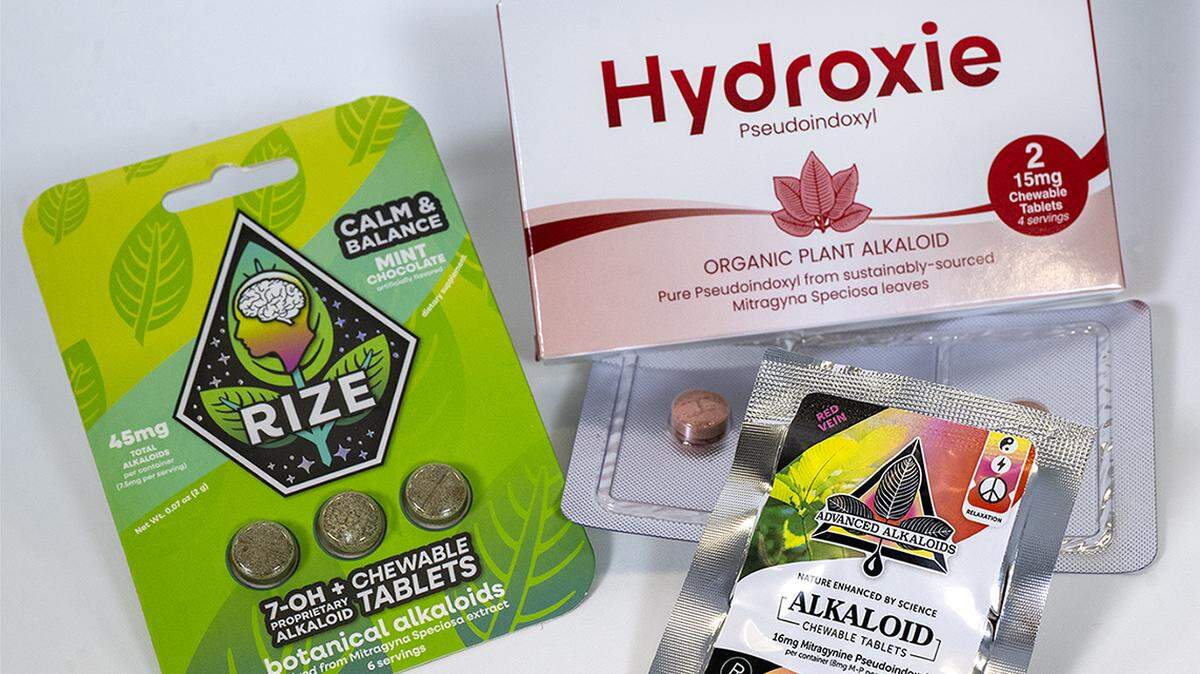
That’s the backdrop for what’s happening in Missouri right now. The state issued a health advisory on 7-OH, a compound derived from kratom that many chronic pain patients use. Then the state attorney general opened an investigation into companies that make or sell it. Federal agencies have launched their own actions. If you just read the headlines, you’d think a major threat appeared out of nowhere.
From where I sit, the picture is more complicated.
Kratom and 7-OH aren’t cure-alls, and they shouldn’t be treated like they are. They also aren’t the villains some officials make them out to be. For many chronic pain patients, they are among the only tools left that let us stay upright, go to work, and get through the day without turning back to medications we either can’t access anymore or can’t tolerate. When almost every other option has been stripped away, these products are what keep people functioning.
The current debate rarely includes anyone living with the pain these policies affect. Instead, it revolves around agencies, companies and press releases. What gets missed is the reality that 7-OH, when used responsibly, keeps a lot of people from sliding back into crisis.
Oversight around labeling, testing and manufacturing is not unreasonable. It is part of taking these products seriously. What concerns me is how quickly the conversation is shifting toward banning them outright, without any serious consideration of what that would mean for the Missourians who rely on them safely. The attorney general’s investigation has already created anxiety in the chronic pain community. People are asking whether they are about to lose one of the few things that still helps.
I’ve read a lot of the reporting. Much of it focuses on legal fights and bureaucratic maneuvering. What’s missing is the acknowledgment that real people stand to be harmed, not just companies under scrutiny.
If Missouri goes down the road of prohibition, it will not stop addiction. It will not solve the drug crisis. But it will make life harder for the people already struggling to stay afloat. The better approach is straightforward: science-based rules, clear standards, accurate testing and honest labeling. That protects consumers without cutting off options they depend on.
People like me are not criminals or thrill seekers. We are trying to manage pain in a system that keeps shrinking our choices. Any policy response worth taking seriously needs to start with that basic truth.
Sam Neugebauer worked in home remodeling for most of his life, doing physically demanding labor until a motorcycle accident left him with a broken spine and unable to continue that work. He was born and raised in Johnson County and moved to Missouri 10 years ago and lives in Kansas City.
If you or someone you know is in an addiction crisis, contact the federal Substance Abuse and Mental Health Services Administration’s 988 Suicide and Crisis Lifeline by calling or texting 988 or visiting 988lifeline.org