
Trump is working against clean energy. All KC suffers in the long run | Opinion
Like its predecessor in 2017, the One Big Beautiful Bill Congress just passed is anything but beautiful. It is trickle down, unfair, anti-health, pro-dirty air — and basically mean-spirited. Under the guise of eliminating waste, fraud and abuse, it took a hatchet to a pair of bona fide beautiful bills, the 2022 Inflation Reduction Act and the 2021 Infrastructure Investment Jobs Act. It weakens or eliminates incentives from the IRA that reduce greenhouse gas emissions and support a forward-looking green economy.
Residential tax credits and rebates for those with lower incomes for home weatherization updates that improve indoor air quality and comfort and save money end this Dec. 31.
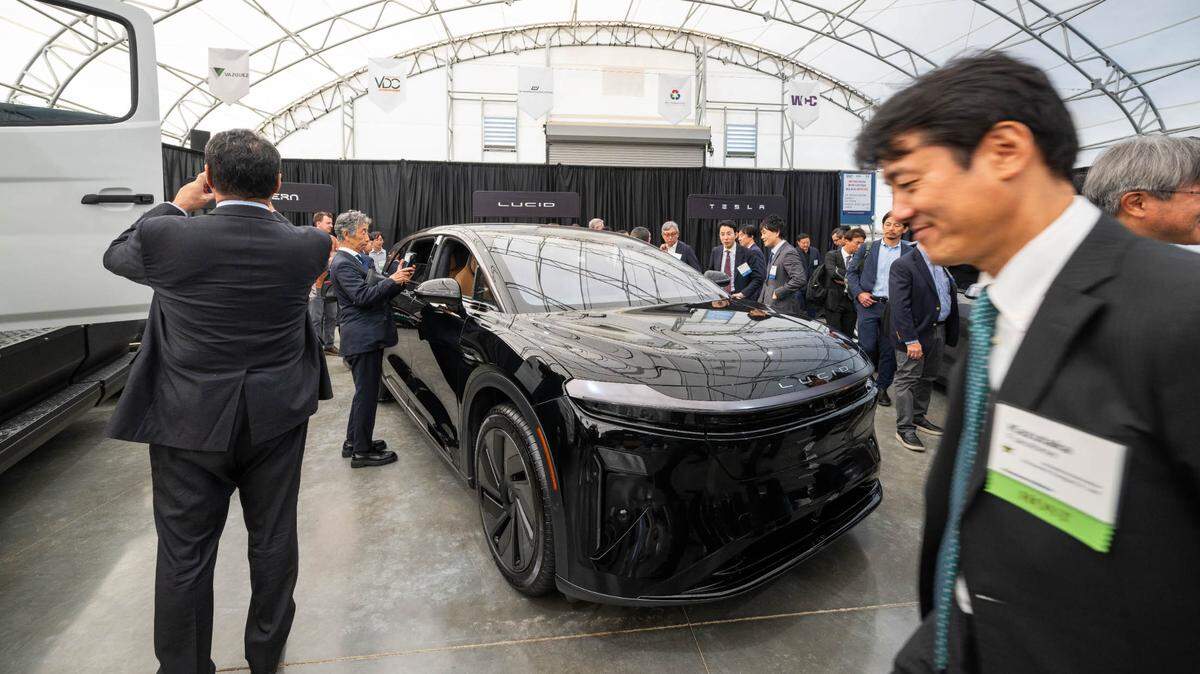
Credits for purchase of electric vehicles, personal and commercial (including school buses) terminate after Sept. 30. The loss of this credit is expected to slow down the increase in EV sales in the short term. Last week, Panasonic announced a delay of the date it expects to achieve full production and employment at its recently-opened $4 billion battery plant in De Soto. The loss of this credit may also affect production and employment at the General Motors Fairfax plant in Wyandotte County, where Chevrolet plans to locate production of the 2027 Bolt and relocate the electric and gasoline versions of the 2027 Equinox from Mexico.
Thirty percent tax credits for rooftop solar panels also end Dec 31. Since most homeowners finance the panels, with rising interest rates and lower utility remuneration rates, installations in 2024 fell 20% from a peak of 6.5 gigawatts in 2023 and may drop to 2 gigawatts in 2026 without the tax credit, according to Ohm Analytics. Homeowners lose a great opportunity to reduce their utility bills in the long term.
Clean electricity tax credits of 30% for investment and production for utility solar and wind facilities are phased out sooner than 2035, as they were in the IRA. Facilities that begin construction after July 4, 2026, must be in operation by Dec. 31, 2027, and construction begun before July 4, 2026, must finish within four years.
According to the Solar Energy Industries Association, there are 1,082 jobs in solar in Kansas, with a market value of $409 million. With the credit, the association projected a tenfold increase in production the next five years. Loss of this credit would certainly not improve the prospects of the planned solar farm near Kansas City International Airport.
Clean electricity credits for nuclear, geothermal, hydro and battery storage do not begin to be phased out until 2033. Improved drilling techniques will make geothermal plants feasible in more locations. Battery storage provides backup to maintain output for wind and solar, and is growing rapidly.
Advanced manufacturing production credits for wind components are terminated at the end of 2027. For solar, inverter and battery components and critical materials, the credits continue. These breaks are essential to Kansas’ Panasonic plant.
Production credits for carbon dioxide capture in dedicated geologic storage sites continue. Unfortunately, injection for gas and oil recovery with geologic storage in “qualified” projects was added.
Methane has more than 80 times the global warming potential of carbon dioxide, accounting for as much as one-third of the warming we have experienced so far. The fee in the IRA to reduce emissions from gas and oil facilities was eliminated. This is a huge lost opportunity.
Rescission of funding for solar and wind may now be on the table. As most of them are parents and grandparents, members of Congress must face up to these responsibilities, rather than succumb to fear of reprisals from the Trump administration. Voters must support candidates who will display the same bravery.
This story was originally published July 23, 2025 at 5:02 AM.