
Why is Kansas delaying Chiefs, Royals stadium talks again? | Opinion
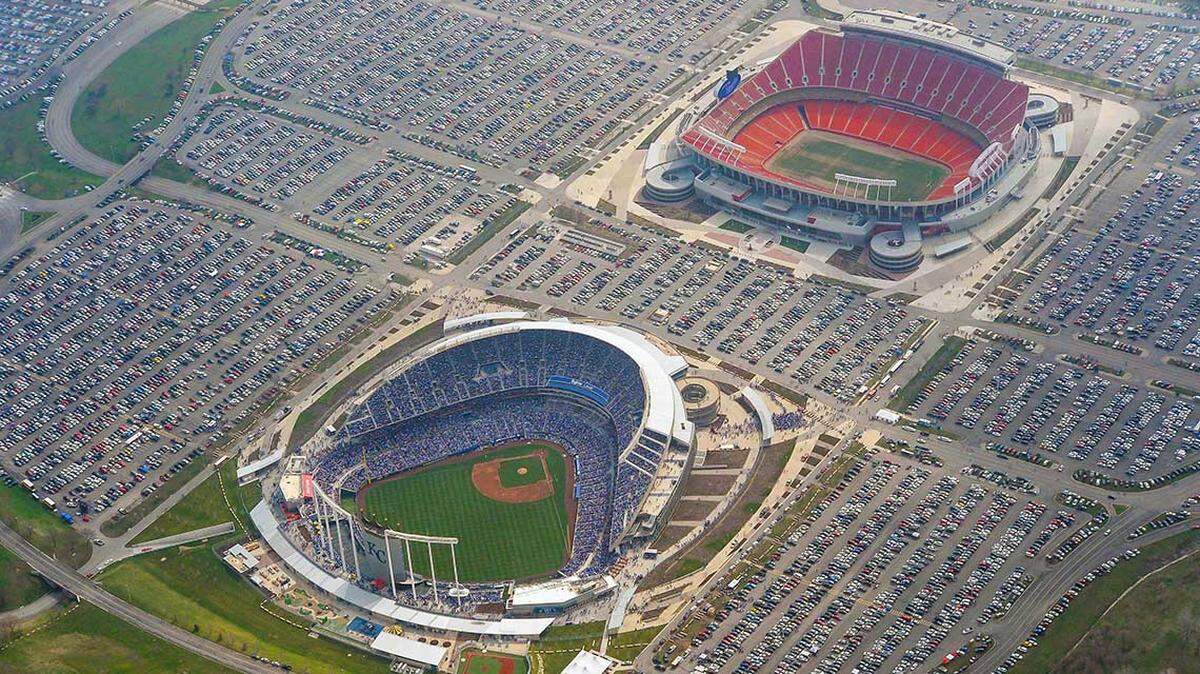
The Kansas City Chiefs and Royals say they need more time to negotiate new stadium agreements with Kansas. Monday, predictably, the state extended the deadline for stadium talks with both clubs.
It isn’t clear why more time is needed. Members from the Kansas legislature met in Topeka Monday. Republican House Speaker Dan Hawkins, who once opposed any extension, decided Monday to blame the delay on slow responses from the executive branch.
He supported a Dec. 31 extension in a meeting of the Kansas Legislative Coordinating Council. The teams did not testify.
What are the teams — and the state of Kansas — going to learn in the next six months that they don’t already know? The so-called STAR bonds proposal has been on the table for more than a year.
Its basic provisions are, or should be, well understood: The state would use sales tax proceeds from a special district to pay up to 70% of the cost of a stadium project. Local participation is possible but not required.
Perhaps there’s a more fundamental reason for the delay. Perhaps both teams have come to realize that building new stadiums in Kansas might be hideously expensive, both for the teams and for governments.
Reasons for the delay
A $4 billion Chiefs stadium complex, for example, might cost Kansas more than $175 million annually in debt service payments. That’s more than two-thirds of all state sales and use tax collections in all of Wyandotte County in a single year.
That likely means a Wyandotte County STAR bond district will have to encompass a majority of the county. It simply wouldn’t be possible to pay the debt service from the state tax revenue generated by the stadium itself, or even the businesses nearby.
The Chiefs face a hefty price tag, too: easily more than $1 billion over 30 years, plus maintenance, repairs, taxes, and other costs. That’s money the club might prefer to pay to its players, or to keep ticket prices low.
The math is a bit easier for the Royals in Johnson County, largely because they play more games and have a higher attendance. But state outlays would easily reach $70 million or more each year for 30 years.
Don’t even ask the cost of Kansas paying for two new stadiums.
There are other complicating factors in Kansas. Because the borrowing for the stadiums would be private, interest costs would be higher. And the Royals would also face routine maintenance and utility costs that are now paid by Jackson County, Kansas City and Missouri.
The teams’ deep silence on these issues, coupled with the secrecy of the state’s elected officials, have led to great public skepticism about the Kansas negotiations. Monday’s delay will make matters worse.
Real talk is possible
At the same time, the teams could use the extension to finally engage in a real conversation with the public about the costs and benefits of stadium projects. If it is misleading to claim that the current facilities are at the edge of collapse, it’s also a fact that eventually the existing stadiums will need replacement.
That could be 10 years from now, or 30. One person I spoke with last week pointed out the age of the Jackson County Courthouse and City Hall, suggesting the current stadiums have years left in them. Of course, we’ve replaced Municipal Auditorium twice, and the airport terminal twice, in 60 years too.
Remember: Those projects were the result of long public conversations and a demonstrated need. The new airport terminal and the downtown arena were built after years of public debate and open discussion.
They were also built with few direct contributions from taxpayers, and with clear financing structures.
By contrast, the teams’ requests and the response of public officials to the stadium debate have been maddeningly vague. So while there is a frustrating delay, there is still a chance for the teams and politicians to clear the air once and for all.
If the next six months are as opaque as the last two years, the stadium proposals will fail, and the teams and the politicians will have no one to blame but themselves.