
European media flagged KC dangerous. It’s an image we don’t need leading up to World Cup | Opinion
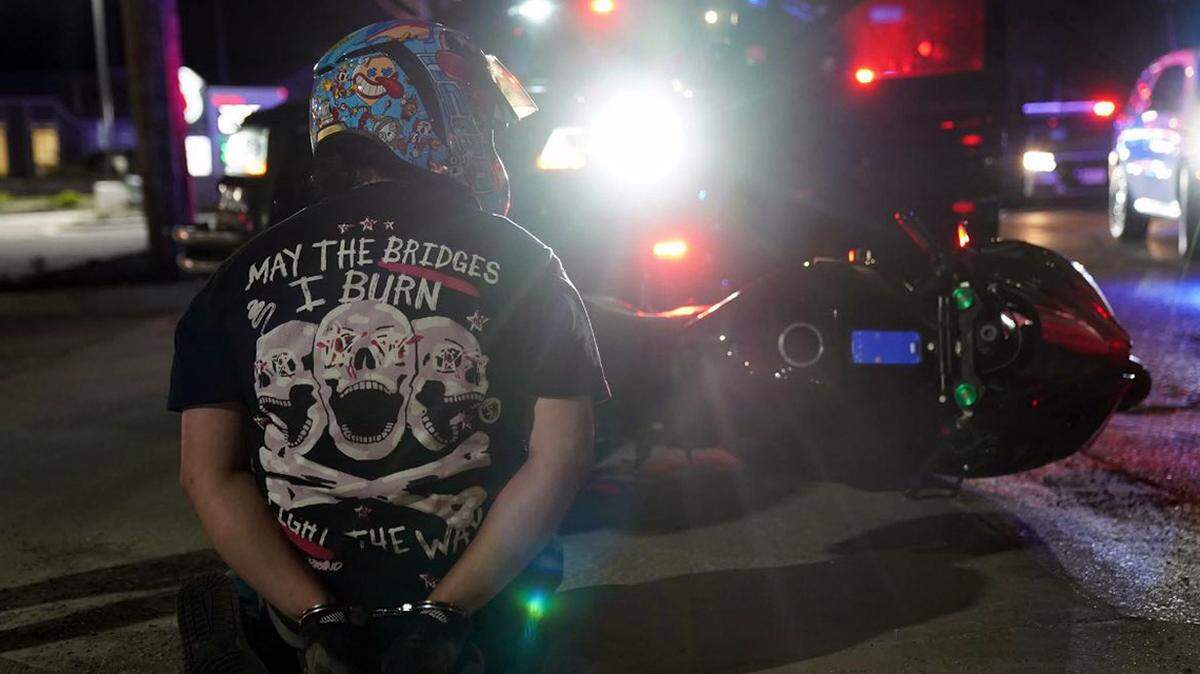
How bad is crime in Kansas City? If you believe recent international headlines, we’re a “Mad Max-style hellhole,” a reference to the post-apocalyptic movie franchise. Ouch.
That description comes from The Daily Mail, a British tabloid known for sensationalism. But the sentiment isn’t limited to foreign media. Local businesses have been voicing frustration for months, calling out City Hall and the mayor for ineffective responses. Even the Downtown Council has floated the idea of hiring private armed security to address rising crime. Homicide statistics from the police department suggest we may be on track for another record year. The brief decline in 2024 may prove to be an aberration. The FBI has taken notice, deploying additional agents to Kansas City.
The problem is real. Efforts to interrupt violence or address its root causes appear inadequate or naively optimistic. As Kansas City gears up to host the World Cup in 2026, Europeans — key to tourism revenue —already perceive the United States as unsafe. Stories from Kansas City aren’t helping.
The World Cup is more than a sports event — it’s a global showcase. For host cities, it’s a chance to market themselves to millions of potential visitors and investors. I’m skeptical of the economic value of such large events, but Kansas City’s bid emphasized hospitality, culture and central location. None of that matters if attendees believe they’ll be victims. Perception, not reality, will decide whether Kansas City reaps the benefits or reinforces the stigma.
The actual crime is bad, but the perception may be worse. A recent academic article published in the Journal of Business Venturing Insights surveyed more than 500 entrepreneurs and prospective employees on how they evaluate U.S. cities when deciding where to live, work or launch a business. The authors, Kaitlyn DeGhetto and Zachary Russell, highlight how perceptions of risk shape decisions on travel and relocation. They note, “perceptions are biased and do not always align with objective data. This is important, as these perceptions likely influence important decisions by both entrepreneurs and employees.”
To that point, local business owner Matt Shatto told The Kansas City Star late last year after break-ins: “Like anything in a business owner’s mindset, you have to evaluate risk whenever you open a shop or maintain a shop or close a shop. If we find that those barriers are too hard to overcome, then we have to question whether or not that’s the right place for us long-term.”
Businesses across the region and potential tourists from around the world are doubtlessly making the same risk calculation. I know I am not alone in thinking the silver lining to the Chiefs loss to the Eagles in the Super Bowl was that we wouldn’t have to hold our breath through another parade.
DeGhetto and Russell’s research isn’t just about crime — it includes perceptions of government competence and social risk, such as inequality. Political identity shapes both what people perceive as risky and how much importance they assign to each type of risk. They write: “Political risk appears more important to those who hold conservative political views, while social risk is more important … for those who hold liberal political views.”
That’s a damning conclusion. Doubly so after a white supremacy group marched through our city during the Memorial Day weekend. It means cities must not only be safe and well-run, but also appear that way. Even if Kansas City were effectively managing crime — which it clearly isn’t — the headlines would still damage our image. Knee-jerk solutions such as lighting up police cruisers or reimbursing broken windows don’t inspire confidence. Nor does bickering over appointments to the Board of Police Commissioners. The mayor already has budgetary authority over the police — which is all the power he needs.
Risk perception is political, but investment decisions are pragmatic. If Kansas City leaders want national buy-in — from tourists, talent or businesses — they must address both the facts and the fears. Dismissing concerns, or mishandling the issue further, only confirms them. Kansas City doesn’t just need to be safer; it needs to look like it’s in competent hands.
This story was originally published May 29, 2025 at 5:08 AM.